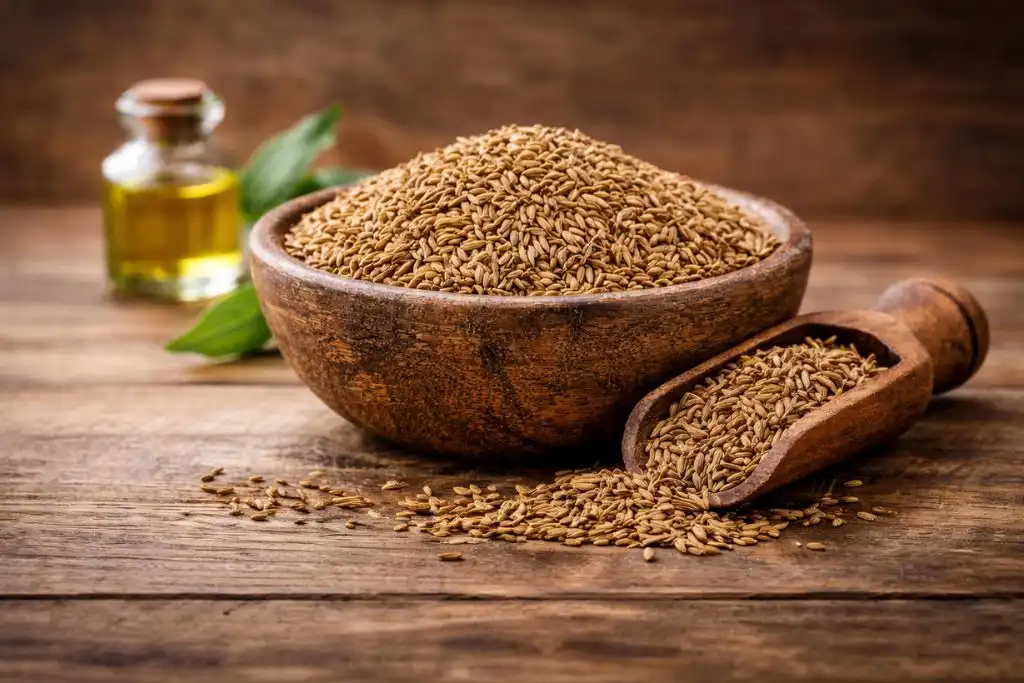

Moringa powder is dried moringa leaf in concentrated form. One teaspoon gives you more nutrition than most multivitamins — at around 10 calories and zero caffeine.
📋 Table of Contents
Introduction
You have seen it in smoothies, health food shops, and Instagram posts. That bright green powder stirred into water or blended into drinks. What exactly is moringa powder — and is it actually worth adding to your daily routine?
The short answer is yes — but only if you choose the right product and use it correctly. Moringa powder is one of the most nutrient-dense supplements available. One teaspoon contains more vitamins, minerals, and antioxidants than most daily multivitamin tablets. And it has no caffeine, no artificial ingredients, and no fillers.
🛠️ Free Health Tools — BMI Calculator, Water Intake Calculator, Blood Sugar Risk Assessment & more
🔍 Browse All Free Health Tools →In this guide you will learn exactly what moringa powder does, how to use it every day, and how to pick a product that actually delivers results. This article is part of our complete Moringa series. For the full benefits overview see our complete Moringa Benefits guide.
What Is Moringa Powder?
Moringa powder is made from the dried leaves of the Moringa oleifera tree. Fresh moringa leaves are harvested, dried at low temperature to preserve nutrients, then ground into a fine bright green powder.
The drying process removes water — which concentrates all the vitamins, minerals, antioxidants, and plant compounds into a smaller volume. This is why moringa powder is so much more nutrient-dense than fresh leaves by weight. One teaspoon of powder contains the nutrition of several handfuls of fresh leaves.
Quality matters enormously with moringa powder. High heat drying destroys the most sensitive antioxidants — particularly quercetin and vitamin C. The best products use low-temperature air drying or freeze drying to keep the full nutrient profile intact.
🔬 What to Look for on the Label
Good moringa powder should be: bright green in colour — dull olive or brown suggests oxidation from heat drying. Fine and smooth texture — coarse gritty powder mixes poorly and may indicate lower quality processing. Pungent earthy smell — mild or odourless powder has likely lost most bioactive compounds. Sourced from leaves only — not stems, bark, or roots. Third-party tested — for heavy metals, pesticides, and microbial contamination. Organic certification is a bonus — not a guarantee of potency.
Nutrition Per Teaspoon of Moringa Powder
One teaspoon (approx. 3g) of quality moringa leaf powder provides a remarkable range of nutrients at just 10 calories. This makes it one of the most efficient nutritional supplements available anywhere.
| Nutrient | Per 1 Teaspoon (3g) | Key Benefit |
|---|---|---|
| Vitamin A | 11% DV | Vision, immunity, skin cell renewal |
| Vitamin C | 12% DV | Antioxidant, immunity, collagen |
| Vitamin E | 8% DV | Skin protection, antioxidant |
| Calcium | 8% DV | Bones, teeth, muscle function |
| Iron | 11% DV | Energy, red blood cells, immunity |
| Potassium | 5% DV | Blood pressure, heart, hydration |
| Protein | 0.9g (complete protein) | Muscle, tissue repair, enzymes |
| Fibre | 0.5g | Digestion, blood sugar, fullness |
| Calories | ~10 kcal | Extremely low calorie density |
| Caffeine | 0mg | No stimulant effect |
💡 Why this matters: Two teaspoons of moringa powder per day gives you meaningful amounts of 7 different vitamins and minerals — plus antioxidants and complete plant protein — at just 20 calories. No multivitamin on the market comes close to that calorie-to-nutrient ratio.
10 Benefits of Moringa Powder
Here are the key benefits you can expect from daily moringa powder use — based on research and traditional use.
Natural Energy Without Caffeine
Moringa powder gives you steady energy — not the spike and crash you get from coffee or energy drinks. It works by correcting nutritional deficiencies that cause fatigue — especially iron, magnesium, and B vitamins. When your cells have the minerals they need to produce energy efficiently, you feel more alert, focused, and physically capable. Most people notice a difference within 2–4 weeks of daily use.
Supports Glowing Skin From Inside
Moringa powder is rich in vitamins A and E — two of the most important nutrients for skin health. Vitamin A speeds up cell turnover, keeping your skin fresh and clear. Vitamin E protects skin from UV damage and environmental stress. Quercetin in moringa reduces skin inflammation linked to acne and redness. Taking moringa powder daily supports skin health from the inside in a way that no topical cream can replicate.
Fights Anaemia and Low Iron
Iron deficiency affects an estimated 2 billion people worldwide — especially women, children, and vegans. Moringa powder is one of the richest plant sources of iron available. And unlike many plant iron sources, moringa also contains vitamin C — which dramatically boosts iron absorption in the gut. A clinical study found women with iron-deficiency anaemia who supplemented with moringa showed significant increases in haemoglobin levels within 3 weeks.
Strengthens Immunity
Moringa powder provides vitamin C, vitamin A, zinc, and iron — all critical for a strong immune system. Vitamin C stimulates white blood cell production. Vitamin A maintains the health of your mucous membranes — the barriers that stop pathogens entering your body. Zinc supports over 300 enzyme reactions including those that regulate immune response. One teaspoon of moringa powder contributes meaningfully to all of these.
Supports Healthy Blood Sugar
Chlorogenic acid in moringa slows the absorption of sugar from food after meals. This reduces blood sugar spikes — one of the main drivers of energy crashes, cravings, and long-term metabolic damage. Taking moringa powder before meals is particularly effective for blood sugar management. Multiple clinical trials confirm moringa can reduce post-meal blood sugar by up to 21%. For more detail see our Moringa for Blood Sugar guide.
Reduces Inflammation
Chronic inflammation is the hidden driver behind most modern diseases — heart disease, diabetes, arthritis, and even depression. Moringa powder contains isothiocyanates and quercetin — powerful anti-inflammatory compounds. A 2024 umbrella review of 26 studies confirmed moringa significantly reduces C-reactive protein — a key blood marker of inflammation. Daily moringa use helps keep background inflammation in check.
Supports Healthy Hair
Hair loss and thinning hair are often caused by nutritional deficiencies — particularly iron, zinc, and vitamin A. Moringa powder addresses all three simultaneously. Iron carries oxygen to hair follicles, keeping them active and productive. Zinc supports the oil glands around follicles. Vitamin A helps produce sebum — the natural scalp oil that keeps hair moisturised and prevents breakage. Many users report stronger, thicker hair after 8–12 weeks of daily moringa use.
Supports Digestion
Moringa powder is a good source of fibre — which feeds the good bacteria in your gut, supports regular bowel movements, and reduces bloating. Its anti-inflammatory compounds may help protect the gut lining from damage. Traditional medicine has used moringa for centuries to treat digestive disorders including constipation and stomach ulcers. Adding moringa powder to your morning routine is one of the gentlest ways to support daily digestive health.
Complete Plant Protein
Moringa is one of the very few plants that contains all nine essential amino acids — making it a complete protein. While the amount per teaspoon is modest (around 1g), adding moringa to smoothies, meals, and drinks consistently increases your total daily protein intake from plants. This makes it particularly valuable for vegans, vegetarians, and anyone reducing meat consumption who wants to maintain adequate protein intake.
Fills Nutritional Gaps in Modern Diets
Most people — even those who eat fairly well — have at least one or two nutritional deficiencies. The most common are iron, vitamin D, magnesium, vitamin A, and zinc. Moringa powder addresses four of these five in a single teaspoon. It is the most efficient way to fill nutritional gaps without taking multiple separate supplements. One teaspoon in your morning water or smoothie covers more bases than a standard multivitamin tablet — at a fraction of the cost.
Moringa Powder vs Capsules — Which Is Better?
Both forms deliver moringa leaf — but they have meaningful differences. Here is a direct comparison to help you choose.
| Factor | Moringa Powder | Moringa Capsules |
|---|---|---|
| Potency per serving | ✅ Higher — less processing | 🟡 Good — slightly more processed |
| Dose flexibility | ✅ Fully adjustable | ❌ Fixed capsule size |
| Best for blood sugar | ✅ Yes — can take before meals in water | 🟡 Less effective timing control |
| Taste | ⚠️ Strong earthy — some people dislike | ✅ No taste at all |
| Versatility | ✅ Add to food and drinks | ❌ Swallow only |
| Value for money | ✅ Usually better value per dose | 🟡 More expensive per gram |
| Convenience | 🟡 Requires preparation | ✅ Just swallow and go |
| Best for | Daily nutrition, blood sugar, weight management | Travel, taste sensitivity, precise dosing |
💡 Our recommendation: If you can tolerate the taste — choose powder. It is more versatile, better value, and more effective for blood sugar timing. If you genuinely cannot stand the taste — capsules are equally good for general nutritional benefits. The best form is the one you will actually take every day.
📖 Complete Moringa Guide
This article focuses on moringa powder specifically. For all 10 health benefits, complete nutrition facts, and full safety information, read our complete Moringa Benefits guide. For weight loss specifically, see our Moringa for Weight Loss guide.
How to Use Moringa Powder Daily
The key to getting results from moringa powder is consistency — not the amount. A small daily dose every day beats a large dose twice a week every time.
🌿 5 Easy Ways to Use Moringa Powder Daily
- 1Morning water: Stir 1 tsp into a glass of warm water with lemon juice. Drink after breakfast.
- 2Green smoothie: Blend 1 tsp with banana, spinach, oat milk, and a pinch of ginger. Perfect breakfast.
- 3Soup or curry: Stir 1–2 tsp into any soup, dal, or curry just before serving. Heat destroys some vitamin C — add at the end.
- 4Moringa tea: Steep 1 tsp in hot (not boiling) water for 5 minutes. Add honey to taste.
- 5Yogurt or oats: Stir into your morning yogurt or porridge. The dairy or oats mask the bitter taste well.
🌿 How should you use Moringa powder? Type it in our free Herb & Tea Benefit Finder — get preparation method, timing, dosage, and safety notes instantly.
🔍 Try the Herb & Tea Benefit Finder →How to Choose a Quality Moringa Powder
The moringa powder market is full of low-quality products. Most commercial powders are heat-dried at high temperatures — which destroys the most sensitive antioxidants. Here is what to look for.

Look for bright green colour, strong earthy smell, and a third-party Certificate of Analysis — these are the three signs of quality moringa powder. © DailyHealthLeaf.com
Side Effects & Safety
Moringa leaf powder is safe for most healthy adults at 1–3 teaspoons per day. Side effects are rare but can happen — especially when you first start or take too much too soon.
Conclusion
Moringa powder is one of the simplest upgrades you can make to your daily routine. One teaspoon in your morning water or smoothie gives you a remarkable range of vitamins, minerals, antioxidants, and plant protein — at just 10 calories and zero caffeine.
The benefits are real and well-researched — energy, skin, iron, immunity, blood sugar, digestion, and hair. But you only get those benefits from a quality product. Bright green colour, third-party testing, and low-temperature drying are the three things that separate effective moringa powder from a jar of overheated leaf dust.
Start with half a teaspoon per day. Build to 1–2 teaspoons over two weeks. Take it every morning without fail. Give it 8 weeks. That is the simple formula for getting everything moringa powder has to offer.
Try Our Free Herb & Tea Benefit Finder
Type Moringa or any herb to instantly see its benefits, how to use it, and who should be careful.
🔍 Open the Herb & Tea Benefit Finder →Frequently Asked Questions
Moringa powder delivers a wide range of vitamins, minerals, antioxidants, and plant protein to your body every day. It supports energy, skin health, immunity, iron levels, blood sugar stability, digestion, and healthy hair. Its benefits come from correcting nutritional deficiencies that most modern diets leave behind — not from any single dramatic effect.
Start with half a teaspoon (about 1.5g) per day in your first week. Build up to 1–2 teaspoons (3–6g) from week two. The maximum recommended daily amount is around 3 teaspoons (9g). More than this does not add benefit and increases the risk of digestive upset. Consistency matters far more than the exact dose.
Powder is generally better for most people — it is more versatile, better value, and more effective for blood sugar timing because you can take it before meals in water. Capsules are better if you cannot tolerate the taste or need precise dosing. Both deliver the same moringa leaf nutrition — the choice comes down to personal preference and how you plan to use it.
Moringa powder supports skin from the inside through its vitamins A and E, zinc, and antioxidants. Vitamin A speeds up skin cell turnover for clearer, brighter skin. Vitamin E protects skin from UV and environmental damage. Quercetin reduces skin inflammation linked to acne and redness. Most users notice improvements in skin clarity and hydration after 6–8 weeks of daily use.
Moringa powder is especially useful for women because it addresses the most common female nutritional deficiencies — iron, calcium, and vitamin A. It supports energy in women dealing with fatigue from iron deficiency. It strengthens bones through calcium and vitamin K. It supports skin, hair, and hormonal health through its antioxidant and mineral content. Women with PCOS should use it cautiously as moringa may affect androgen levels — consult your doctor first.
Yes — moringa leaf powder is safe for daily use at 1–2 teaspoons per day for most healthy adults. It has been eaten as a daily food in many cultures for thousands of years. Some experts recommend cycling — taking a 2–4 week break every 3 months — as a precautionary measure, though this is not required based on current evidence. Always avoid moringa root bark, which should never be used daily.
Side effects are rare at normal doses. The most common ones are nausea and loose stools — almost always caused by taking too much too soon or taking it on an empty stomach. Starting with half a teaspoon and always taking it with food eliminates most side effects. People on diabetes or blood pressure medication should check with their doctor before using moringa daily as it may interact with these drugs.
Look for bright green colour — not dull olive or brown. It should have a strong earthy smell and mix smoothly in water without clumping or leaving residue. Check for third-party testing for heavy metals and pesticides. The brand should clearly state it uses leaves only — not stems or root. Low-temperature drying (air dried or freeze dried) preserves the most bioactive compounds. If a brand cannot tell you how they dry their moringa — look elsewhere.