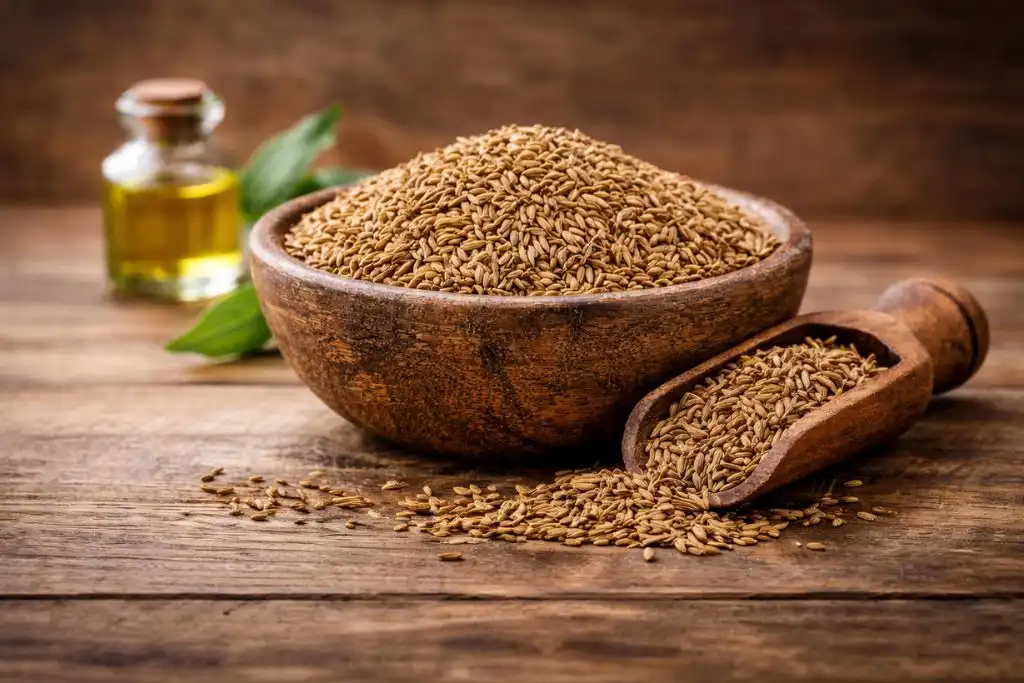

Moringa is one of the most nutrient-dense plants on earth. People call it the “Miracle Tree” — and the research is starting to show why that name fits.
📋 Table of Contents
Introduction
There is a tree that grows in tropical regions of the world. It is used as food, medicine, and nutrition. People in India, Africa, and Southeast Asia have used every part of it for thousands of years — the leaves, pods, seeds, flowers, and roots.
Scientists call it Moringa oleifera. Most people just call it the Miracle Tree. And when you look at what it contains — over 90 bioactive plant compounds, more nutrients than almost any other leaf on earth — it is hard to disagree with that name.
🛠️ Free Health Tools — Blood Sugar Risk Assessment, BMI Calculator, Water Intake Calculator & more
🔍 Browse All Free Health Tools →In this guide you will learn exactly what moringa is, what it contains, and what the research says about its benefits. We cover dosage, how to use it, and who should be careful. Everything is based on real studies — not marketing hype.
What Is Moringa?
Moringa is a fast-growing tree native to the foothills of the Himalayas in northern India. It grows well in tropical and subtropical climates across Asia, Africa, and Latin America. The tree grows quickly — up to 3 metres in its first year — and almost every part of it is edible or medicinal.
The leaves are the most widely used part. They are dried and ground into a bright green powder. The pods — called drumsticks — are eaten as a vegetable in South Asian cooking. The seeds produce a high-quality oil. The roots have a sharp horseradish-like flavour and are used in folk medicine.
Researchers have found over 90 bioactive compounds in moringa. These include antioxidants, anti-inflammatory agents, vitamins, and minerals. No other single plant leaf comes close to matching this nutritional range.
| Language / Origin | Name for Moringa |
|---|---|
| English | Moringa / Drumstick Tree / Miracle Tree |
| Sanskrit / Ayurvedic | Shigru / Sigru |
| Chinese | 辣木 (Là mù) |
| Arabic | Rawag / Ban |
| French | Moringa / Arbre à raifort |
| Spanish | Moringa / Árbol de los milagros |
| Greek | Moringas |
| Botanical / Latin | Moringa oleifera Lam. |
| Hindi | Sahjan / Munaga |
Moringa Nutrition Facts
Moringa leaves are one of the most nutrient-dense foods on earth. Fresh leaves are rich in vitamins and minerals. Dried moringa powder is even more concentrated — because the water is removed, the nutrients are packed into a smaller serving.
Here is how moringa stacks up against other well-known foods. For a detailed breakdown of what you get in every teaspoon, see our guide on moringa powder benefits per teaspoon and how to use it every day.
📊 How Moringa Compares to Other Foods
Vitamin C: Moringa leaves contain as much vitamin C as oranges — some sources report even more. Iron: Moringa has more iron than spinach per 100g. Calcium: Gram for gram, dried moringa powder contains more calcium than milk. Protein: Fresh moringa leaves contain 9.8g of protein per 100g — more than twice the protein of spinach. Vitamin A: Moringa is one of the richest plant sources of beta-carotene — the precursor to vitamin A — with up to 9mg per 100g fresh leaves. FAO and WHO have both recognised moringa as a promising tool to fight malnutrition globally.
| Nutrient | Per 100g Fresh Leaves | % Daily Value | Key Benefit |
|---|---|---|---|
| Vitamin A (beta-carotene) | 3.78 mg (up to 9mg) | 420%+ | Vision, immunity, skin |
| Vitamin C | 51–52 mg | 57% | Immunity, antioxidant, iron absorption |
| Vitamin E | ~2 mg | 13% | Skin, antioxidant, cell protection |
| Calcium | 185–440 mg | 44%+ | Bones, teeth, muscle function |
| Iron | 4–28 mg | 22–156% | Energy, red blood cells, immunity |
| Potassium | 337–1324 mg | 28%+ | Blood pressure, heart, hydration |
| Protein | 9.8 g (fresh) / 25–30g (powder) | 20%+ | Muscle, tissue repair, enzymes |
| Quercetin | Up to 100 mg | — | Antioxidant, anti-inflammatory |
| Chlorogenic acid | Present | — | Blood sugar regulation, metabolism |
| Isothiocyanates | Present | — | Anti-inflammatory, cholesterol |
🔬 The Science Behind Moringa’s Power
Researchers have identified over 90 bioactive compounds in moringa. The most studied include: quercetin — a flavonoid antioxidant linked to lower blood pressure and reduced inflammation; chlorogenic acid — a polyphenol that helps regulate blood sugar and supports fat metabolism; isothiocyanates — sulfur-containing compounds with powerful anti-inflammatory and cholesterol-lowering properties; and zeatin — a plant cytokinin with anti-aging properties at the cellular level. Together these compounds create a synergistic health effect that far exceeds what any single nutrient could achieve alone.
10 Health Benefits of Moringa
Here are the top benefits of moringa backed by research. The evidence ranges from strong to promising — we are honest about where more studies are still needed.
Lowers Blood Sugar Levels
This is one of the most researched moringa benefits. A review of clinical studies found moringa reduced fasting blood sugar by up to 13.5% and lowered blood sugar spikes by 21% in people with diabetes. Chlorogenic acid and isothiocyanates in moringa help your cells respond better to insulin. For the full clinical evidence, see our guide on how moringa lowers blood sugar naturally in type 2 diabetes and prediabetes.
Reduces Inflammation
Chronic inflammation drives most modern diseases — from heart disease to arthritis to cancer. A 2024 umbrella review of 26 systematic studies found moringa leaf extracts reduced C-reactive protein — a key blood marker of inflammation. Isothiocyanates are the main anti-inflammatory compounds. They work in a similar way to ibuprofen — targeting the same inflammatory pathways — but naturally and without the side effects of long-term medication use.
Supports Heart Health and Lowers Cholesterol
High cholesterol is a major risk factor for heart attack and stroke. A clinical trial found moringa supplementation lowered LDL (bad) cholesterol by 11% and total cholesterol by 9% over 8 weeks. A 2025 meta-analysis of multiple randomised controlled trials confirmed moringa has meaningful effects on cardiometabolic health. Isothiocyanates and fibre in moringa reduce cholesterol absorption and protect blood vessel walls from oxidative damage.
Packed With Antioxidants
Your body is constantly attacked by free radicals — unstable molecules that damage cells and speed up aging. Moringa contains some of the most powerful antioxidants found in any plant — including quercetin, chlorogenic acid, and beta-carotene. A 2024 review found moringa extracts significantly reduced oxidative stress markers in clinical and animal studies. Regular moringa use helps protect your cells from everyday damage.
Boosts Immunity
Moringa’s high vitamin C content helps your body make white blood cells — your first line of defence against infection. Vitamin A supports the health of your mucous membranes — the barriers that stop bacteria and viruses entering your body. Iron helps your immune cells carry oxygen. The combination of these nutrients in one plant makes moringa one of the most complete natural immune-support foods available.
Supports Healthy Bones
Moringa is one of the richest plant sources of calcium — especially in its dried powder form. Calcium is essential for bone density and strength. Moringa also contains phosphorus, magnesium, and zinc — all important minerals for bone health. This makes moringa particularly relevant for women after menopause and older adults at risk of osteoporosis. Adding moringa powder to your daily diet is one of the easiest ways to increase plant-based calcium intake.
Supports Weight Management
Moringa supports weight management in several ways. Its high fibre content keeps you feeling full for longer — reducing overall calorie intake. Chlorogenic acid helps regulate blood sugar, preventing the spikes and crashes that trigger hunger and cravings. Moringa’s anti-inflammatory properties also reduce the chronic low-grade inflammation that is linked to obesity. See our full evidence guide on whether moringa powder actually helps with weight loss and cravings.
Improves Skin and Hair
Moringa is rich in vitamins A and E — two of the most important nutrients for skin and hair health. Vitamin A supports cell turnover and keeps skin smooth. Vitamin E is a fat-soluble antioxidant that protects skin from UV damage. A 14-week clinical trial showed oral moringa activated collagen and elastin genes in women’s skin. Read our full guide on how moringa benefits skin collagen and hair growth from the inside out.
Supports Liver Health
Your liver filters toxins, metabolises fat, and produces proteins essential for life. Moringa may help protect it. Animal studies show moringa leaf extract prevents liver damage caused by toxins, medications, and high-fat diets. Human research is limited but promising. Quercetin and chlorogenic acid in moringa support liver enzyme activity and reduce hepatic oxidative stress. This is particularly relevant for people who drink alcohol, take regular medications, or have fatty liver disease.
Fights Anaemia and Supports Energy
Iron deficiency is the most common nutritional deficiency in the world — affecting an estimated 2 billion people. Moringa is rich in iron — and its high vitamin C content boosts iron absorption in the gut. Studies in anaemic women and children show moringa supplementation improves haemoglobin levels. Better iron levels mean better energy, stronger immunity, and improved cognitive function.
📊 Honest note on evidence: Most moringa clinical trials are small. The blood sugar and cholesterol findings are supported by multiple studies — but more large-scale randomised trials are needed. Animal studies are very promising across nearly all benefits listed above. The nutritional evidence — moringa’s exceptional vitamin, mineral, and antioxidant content — is rock solid and undisputed.
Moringa in Traditional Medicine
Moringa has been used as food and medicine for at least 4,000 years. Ancient Ayurvedic texts describe moringa as a remedy for over 300 diseases. In Sanskrit it was known as “Shigru” — meaning swift — referring to its fast-acting medicinal properties.
In African traditional medicine, moringa leaves are used to treat malnutrition in children. Mothers eat moringa leaves to improve breast milk quality and quantity. The pods are eaten as a vegetable to support digestion. The seeds are used to purify water — a practice supported by modern science, as moringa seed compounds are effective at removing bacteria and contaminants from water.
The World Health Organization and the Food and Agriculture Organization of the United Nations have both recognised moringa as a highly valuable plant for addressing malnutrition in developing countries.
📊 Clinical Study — Blood Sugar and Moringa
A review published in the Journal of Food Science and Technology analysed multiple human trials on moringa and blood sugar. The pooled results showed that moringa leaf powder at 8g per day reduced fasting blood glucose by 13.5% over 3 months. A separate study found moringa reduced postprandial blood sugar spikes by 21% when taken with meals. The active compounds responsible appear to be chlorogenic acid and isothiocyanates, which improve insulin sensitivity at the cellular level.
How to Use Moringa
Moringa is one of the most versatile health foods you can add to your diet. There are several forms available and each works well in different situations. For a complete step-by-step guide on timing, dose, and preparation methods, see our article on how to use moringa powder correctly for best daily results.
| Form | How to Use | Best For |
|---|---|---|
| Powder ⭐ Most popular | Mix 1–2 teaspoons into water, smoothies, soups, or yogurt. Add to morning tea or juice. | Daily nutrition, blood sugar support, convenience |
| Capsules | Take 1–3 capsules daily with water after a meal. Follow label instructions. | Precise dosing, people who dislike the taste |
| Tea | Steep 1 teaspoon of dried moringa leaves in hot water for 5 minutes. Add honey if desired. | Gentle daily use, digestion, relaxation |
| Fresh leaves | Add to salads, soups, curries, or stir-fries. Cook lightly to preserve nutrients. | Cooking, maximum freshness, South Asian recipes |
| Moringa oil | Apply directly to skin or hair. Or use in cooking as a light salad oil. | Skin moisturising, hair health, topical use |
🌿 Simple Moringa Morning Boost
- 1Add 1 teaspoon of moringa powder to a glass of warm water or orange juice.
- 2Stir well for 30 seconds until fully mixed. The powder dissolves easily in liquid.
- 3Add a squeeze of fresh lemon juice — vitamin C in lemon boosts moringa’s iron absorption.
- 4Drink every morning after breakfast. Start with half a teaspoon in your first week.
- 5Gradually increase to 1–2 teaspoons per day from week two onwards.
🌿 How should you use Moringa? Type it in our free Herb & Tea Benefit Finder — get preparation method, timing, dosage, and safety notes instantly.
🔍 Try the Herb & Tea Benefit Finder →Moringa Dosage Guide
There is no official recommended dose for moringa. Clinical studies have used a range of doses depending on the benefit being studied. The table below summarises the most commonly used amounts from real research.
⚠️ Important: Do not take moringa root bark or root extract. These parts of the plant contain compounds that can cause uterine contractions and are toxic in large doses. Only use leaf powder, leaf capsules, pods, or moringa oil from the seeds. Moringa root is not the same as moringa leaf — and should be avoided entirely in supplement form.
Side Effects & Safety
Moringa leaves and pods are safe for most healthy adults when used in normal food amounts. Side effects are rare but can occur — especially with high doses of moringa powder or supplements. For the complete safety guide including root bark dangers and drug interactions, see our full guide to moringa side effects and safety warnings.
💊 Who Should Be Careful With Moringa
Pregnant women — moringa leaf powder in food amounts is generally considered safe, but moringa root bark must be completely avoided as it may trigger uterine contractions and miscarriage. Always consult your doctor during pregnancy. People on diabetes medication — moringa lowers blood sugar. Combined with medication, this could cause levels to drop too low. Monitor blood sugar closely and consult your doctor. People on blood pressure medication — moringa may lower blood pressure further. Monitor regularly and adjust medication under medical supervision if needed. Thyroid medication users — take moringa at a different time of day from levothyroxine or other thyroid drugs to avoid absorption interference.
Conclusion
Moringa earns its “Miracle Tree” title. No other single plant leaf comes close to matching its combination of vitamins, minerals, protein, antioxidants, and anti-inflammatory compounds. The research on blood sugar, cholesterol, and inflammation is genuinely impressive — backed by multiple clinical studies and systematic reviews.
The easiest way to add moringa to your life is through powder. Start with half a teaspoon per day in the first week. Add it to water, juice, or a smoothie every morning. Build up to 1–2 teaspoons per day from week two. You do not need a large dose to see real nutritional benefits.
If you are deciding between moringa and spirulina, both are excellent superfoods with different strengths. See our honest head-to-head breakdown on moringa vs spirulina — which green superfood is better for your goals. And as always — if you take prescription medication for diabetes, blood pressure, or thyroid conditions, speak to your doctor before starting moringa. Always avoid the root or root bark in any form.
Try Our Free Herb & Tea Benefit Finder
Type Moringa or any herb to instantly see its benefits, how to use it, and who should be careful.
🔍 Open the Herb & Tea Benefit Finder →Frequently Asked Questions
Moringa is good for many things. It is one of the most nutrient-dense plants on earth — rich in vitamins A, C, and E, calcium, iron, and protein. Research shows it can help lower blood sugar, reduce inflammation, support heart health by lowering cholesterol, boost immunity, and improve energy levels. It is used as both a daily food and a targeted health supplement.
Start with half a teaspoon (about 1–2g) of moringa powder per day in your first week. Build up to 1–2 teaspoons (3–6g) per day from week two. The most common study dose for blood sugar benefits is 8g per day — roughly 2–3 teaspoons. For capsules, 400–500mg taken 2–3 times daily is a typical supplement dose. Always start low and increase gradually.
Yes — multiple clinical studies show moringa can reduce fasting blood sugar by up to 13.5% and lower blood sugar spikes by 21% in people with diabetes. Chlorogenic acid and isothiocyanates in moringa improve how your cells respond to insulin. If you take diabetes medication, speak to your doctor before adding moringa — the combined effect could lower your blood sugar too far.
Yes — moringa leaf powder is safe for most healthy adults at 1–3 teaspoons per day. It has been used as a daily food in many cultures for thousands of years. Side effects are rare at normal doses. Pregnant women should avoid moringa root bark entirely. People on medication for diabetes, blood pressure, or thyroid conditions should check with their doctor before taking moringa daily.
Fresh moringa leaves have a mild, slightly peppery taste — similar to watercress or spinach. Moringa powder has a stronger, earthier, more bitter flavour. Many people mix it into smoothies, juices, or soups where the taste blends in naturally. Adding lemon juice or honey helps mask the bitterness. If you are very sensitive to bitter tastes, capsules are a good alternative.
Moringa supports weight management but is not a weight loss drug. Its high fibre content keeps you fuller for longer. Chlorogenic acid helps stabilise blood sugar — reducing energy crashes and cravings. Its anti-inflammatory properties address the metabolic dysfunction linked to obesity. Used alongside a balanced diet and regular exercise, moringa is a useful nutritional tool for weight management.
Moringa leaf powder in small food amounts is generally considered safe during pregnancy. However, moringa root bark and root extract must be completely avoided during pregnancy as they contain compounds that may trigger uterine contractions and miscarriage. If you are pregnant, always speak to your doctor before taking any moringa supplement.
Both contain the same dried moringa leaf — the difference is convenience and dose control. Powder is more versatile — you can add it to food and drinks — and is usually better value. Capsules are more convenient, taste-free, and allow precise dosing. If you do not mind the taste, powder is the better choice for daily nutritional use. If taste is a problem, capsules work just as well.
Both are excellent superfoods — but they have different strengths. Moringa is richer in vitamins A, C, and E, calcium, and anti-inflammatory compounds like quercetin and isothiocyanates. Spirulina is higher in protein and B12, and contains unique phycocyanin antioxidants. Moringa is better for blood sugar support and anti-inflammatory benefits. Spirulina is better for pure protein content and athletic recovery. Many people use both together for a complete nutritional boost.
Morning after breakfast is the most popular time — it sets up your body’s nutritional baseline for the day. Taking it with a meal that contains fat helps your body absorb the fat-soluble vitamins A and E more effectively. If you are using moringa for blood sugar benefits, taking it with your main meals is ideal — it reduces the blood sugar spike that follows eating. Avoid taking moringa right before bed as its mild energising effect may keep some people awake.