Cumin (Jeera/Zeera) is a small brown seed used in cooking and traditional medicine for over 5,000 years. Modern research confirms it helps digestion, fights free radicals, and supports blood sugar and metabolism.
📋 Table of Contents
Introduction
Cumin — known as Jeera in Hindi and Zeera in Urdu — is one of the oldest and most widely used spices in the world. You’ll find it in nearly every South Asian, Middle Eastern, and Mediterranean kitchen.
People have used cumin for over 5,000 years. From the grain stores of ancient Egypt to the healing texts of Ayurveda and Unani medicine, it has always been valued as both a food and a medicine.
🛠️ Free Health Tools — Water Intake Calculator, BMI Calculator, Intermittent Fasting Calculator & more
🔍 Browse All Free Health Tools →Today, modern research is confirming many of these traditional uses. Science now links cumin’s natural plant compounds to digestive support, antioxidant protection, blood sugar control, and more.
Whether you eat it as whole seeds in oil, brew it as jeera water for digestion, or sprinkle it as powder over yogurt — cumin is one of the most versatile, health-friendly spices you can use every day. This guide covers everything from nutrition and benefits to safe dosage and side effects.
What Is Cumin (Jeera / Zeera)?
Cumin is the dried seed of the plant Cuminum cyminum. It belongs to the same plant family as parsley, fennel, and coriander. The plant grows in warm, dry climates across India, Pakistan, Iran, Turkey, and Mexico.
Names Around the World
| Language | Name |
|---|---|
| English | Cumin |
| Hindi | Jeera / Jira |
| Urdu | Zeera / Zira |
| Sanskrit | Jeeraka |
| Arabic | Kamoun |
| Spanish | Comino |
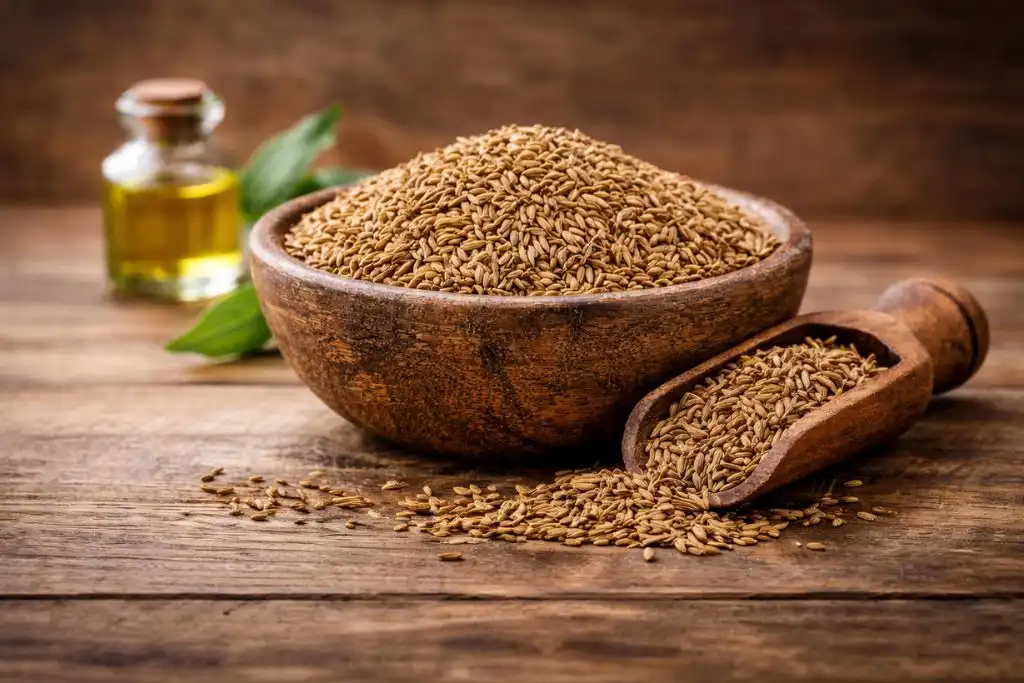
Common forms of cumin include: whole seeds (sabut jeera), ground powder (jeera powder), roasted cumin (bhuna jeera), cumin water (jeera pani), cumin tea, and supplement capsules.
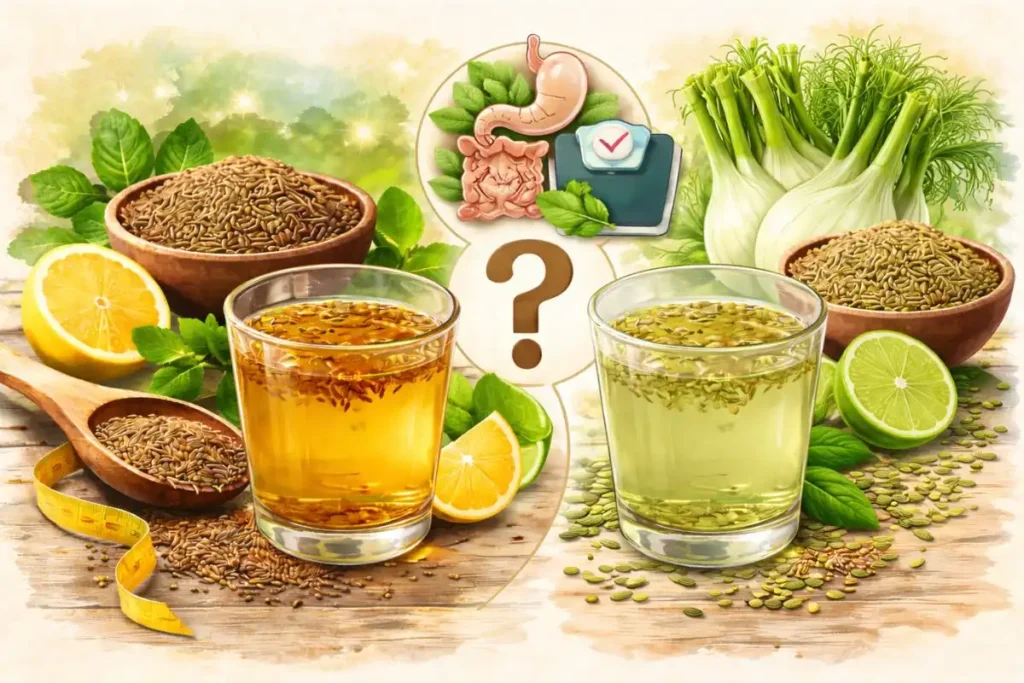
Cumin is sometimes compared with fennel — both are warming seeds used for digestion. If you are not sure which works better for you, see our comparison: cumin water vs fennel water — which is better for digestion and weight loss.
Nutritional Profile of Cumin Seeds
Cumin packs a lot of nutrition into a small amount. Here is what you get from just 1 teaspoon (~2.1g) of whole cumin seeds.
| Nutrient | Amount (per 1 tsp) | Notes |
|---|---|---|
| Calories | ~8 kcal | Very low calorie |
| Iron | ~1.4 mg | ~17% of Daily Value |
| Manganese | ~0.07 mg | Antioxidant support |
| Magnesium | ~7.7 mg | Muscle and nerve health |
| Calcium | ~19.6 mg | Bone health |
| Dietary Fiber | ~0.2 g | Gut movement |
| Protein | ~0.4 g | Plant protein source |
| Carbohydrates | ~0.9 g | Low-glycemic |
Key Plant Compounds
Beyond basic nutrition, cumin contains powerful plant compounds that drive most of its health benefits.
| Compound | What It Does |
|---|---|
| Cuminaldehyde | Fights germs, gives cumin its signature smell, helps digestion |
| Thymol | Stimulates digestive enzymes from the pancreas |
| Thymoquinone | Reduces inflammation, protects the liver |
| Apigenin & Luteolin | Antioxidant flavonoids that fight free radicals |
| Phytosterols | Help manage cholesterol |
| Pyrazines | Support gut movement, mild natural laxative |
10 Health Benefits of Cumin
Here are the ten main reasons cumin deserves a daily spot in your routine. Each benefit is backed by research or strong traditional evidence.
🌿 Supports Digestion & Gut Health
Cumin helps your pancreas produce more digestive enzymes. These enzymes break down carbs, proteins, and fats more efficiently.
In Ayurveda, cumin is called Jeeraka — which literally means “digestive.” A study on 57 IBS patients found cumin extract significantly reduced pain, bloating, and mucus. The most popular way to get this benefit is through jeera water for digestive relief — drunk on an empty stomach each morning.
💨 Relieves Gas & Bloating
Cumin is a natural gas reliever. It prevents gas from building up in your gut and helps trapped gas move out. This is why it’s added to lentil dishes across South Asia.
Its essential oils relax the smooth muscle in your intestines. Fennel shares this property too — see our fennel water vs cumin water comparison if you’re choosing between them.
⚖️ Supports Weight Management
Cumin may help with weight control in two ways. It helps lower triglycerides and LDL cholesterol. It also stimulates your metabolism through mild heat production.
One study found cumin users lost more weight than control groups. For realistic expectations, read our guide on cumin water for weight management — facts, diet use, and limitations.
🔬 Rich in Antioxidants
Cumin contains high levels of plant compounds that fight free radicals. These include apigenin, luteolin, and other polyphenols.
Free radicals damage cells and are linked to heart disease, diabetes, and premature aging. The antioxidants in cumin help neutralize these harmful molecules.
🔬 What Are Free Radicals?
Free radicals are unstable molecules created by normal body processes and environmental exposure. They damage cells through a process called oxidative stress. Antioxidants like those in cumin neutralize these molecules before they cause harm.
🩸 Supports Blood Sugar Balance
Cumin may help improve how your body responds to insulin. It may also prevent sharp blood sugar spikes after meals.
Drinking jeera water or eating roasted cumin with meals may help keep blood sugar more stable. The timing of your jeera water can further affect how well it supports blood sugar.
❤️ Heart Health Support
Cumin’s plant compounds help reduce blood triglycerides and prevent plaque buildup in arteries. One study found 75mg of cumin taken twice daily for 8 weeks significantly lowered unhealthy triglyceride levels.
Cumin also contains magnesium and potassium, which support healthy blood pressure.
🔥 Reduces Inflammation
Several compounds in cumin have documented anti-inflammatory effects. These include cuminaldehyde, thymoquinone, and flavonoids.
Regular consumption of jeera water may help reduce markers of chronic inflammation linked to joint pain, arthritis, and metabolic problems.
💪 Iron-Rich — Fights Low Iron
One teaspoon of cumin gives you about 17% of your daily iron needs. Iron is essential for making hemoglobin, carrying oxygen, producing energy, and supporting your immune system.
This is especially valuable for children, women, and anyone with low iron levels.
😴 Supports Sleep & Relaxation
The essential oils in cumin have mild calming properties. Cumin also contains melatonin — the hormone that regulates sleep — along with iron and magnesium that support healthy brain function.
Warm jeera water before bed may help promote more restful sleep.
🛡️ Immune & Germ-Fighting Support
Cuminaldehyde has documented germ-fighting and antifungal properties. Cumin also works as a natural expectorant, helping loosen mucus during colds.
Combined with its vitamin C, vitamin A, and iron content, cumin gives your immune system meaningful support.
Cumin in Ayurveda & Unani Medicine
In Ayurveda, cumin is a tridoshic herb — meaning it helps balance all three body energies. It is especially valued for boosting digestive fire (agni) and clearing toxins (ama) from the gut.
In Unani medicine — the Greco-Arabic system practiced across South Asia and the Middle East — zeera is considered warming and drying. Healers use it in formulas for weak digestion, gas, and poor appetite.
How to Use Cumin — Practical Methods
🌊 Jeera Water — The Most Popular Method
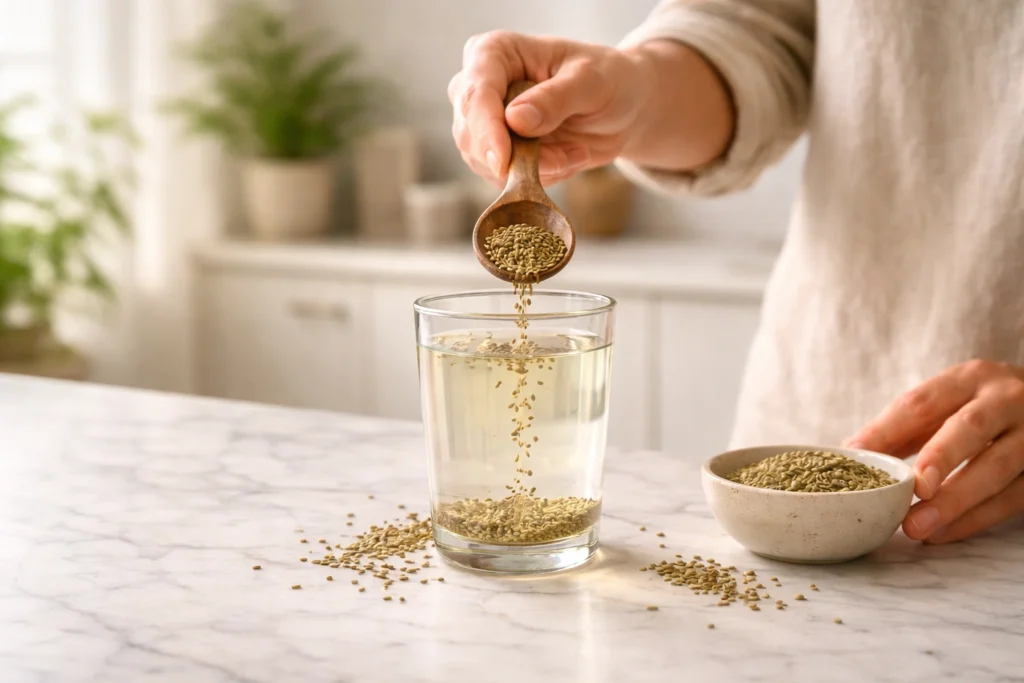
Method 1: Overnight Soak (Best)
- 1
Add 1 teaspoon of cumin seeds to a glass of water (250ml)
- 2
Soak overnight for at least 8 hours
- 3
Strain and drink on an empty stomach in the morning
Method 2: Boiled Jeera Water
- 1
Bring 2 cups of water to a boil
- 2
Add 1 teaspoon of cumin seeds and simmer 5–10 minutes
- 3
Strain, cool a little, and drink warm
For both methods in full detail, mistakes to avoid, and storage tips — see our complete guide: how to make cumin water step by step →
🌿 How should you use cumin? Type it in our free Herb & Tea Benefit Finder — get preparation method, timing, dosage, and safety notes instantly.
🔍 Try the Herb & Tea Benefit Finder →Other Ways to Use Cumin
| Method | How | Best For |
|---|---|---|
| Tempering (Tadka) | Add to hot oil or ghee at the start of cooking | Curries, dal, rice, sabzi |
| Roasted (Bhuna Jeera) | Dry-roast until fragrant and darker | Raita, chaas, snack seasoning |
| Ground Powder | Add to marinades and spice blends | Broad cooking use |
| Cumin Tea | Boil as jeera water + honey and lemon | Immunity, cold, digestion |
| Supplement Capsule | 300–600mg (talk to your doctor) | Concentrated therapeutic use |
Not sure whether cumin tea or cumin water suits you better? Read our detailed comparison: cumin tea vs cumin water — differences, preparation, and which to choose.
Best Time to Consume Cumin
When you take cumin matters for what you want to get out of it. Here is the best timing for each goal.
| Time | Form | What It Helps |
|---|---|---|
| Morning (empty stomach) | Jeera water (overnight soak) | Digestion, metabolism, weight |
| 30 min before meals | Jeera powder in warm water | Appetite and enzyme boost |
| After meals | Roasted cumin in yogurt or buttermilk | Gas relief, better nutrient absorption |
| Before bed | Warm jeera water | Sleep support, relaxation |
For a full breakdown of each timing window, see our guide on the best time to drink cumin water — morning vs after meals.
Recommended Daily Dosage
These are safe daily amounts for most healthy adults. Start at the lower end and see how your body responds.
Side Effects & Safety
Cumin is widely considered safe in normal food amounts. But there are important precautions to know about.
Be Extra Careful If You:
🤰 Are pregnant or breastfeeding
Avoid large medicinal amounts. Small cooking amounts are fine.
🩸 Have low blood pressure
Cumin may lower it further.
💊 Take diabetes medication
Risk of blood sugar dropping too low.
✂️ Have surgery scheduled
Stop supplements 2 weeks before any procedure.
🌿 Have a spice allergy
Cross-reactions with related plants are possible.
🔥 Experience chronic acidity or reflux
Cumin on an empty stomach may worsen it.
Possible Side Effects from Too Much Cumin
| Side Effect | Likely Cause | How to Prevent |
|---|---|---|
| Too much belching | Gas moving upward | Reduce amount |
| Nausea or discomfort | Too much on empty stomach | Start small |
| Heartburn or acidity | Sensitivity to spices | Take after meals |
| Allergic reaction | Rare; related plant allergy | Patch test; ask doctor |
| Low blood sugar | Added effect with diabetes meds | Watch blood sugar levels |
If you drink cumin mainly as jeera water, see our specific guide on cumin water side effects — heartburn, acidity, and who should avoid it.
Conclusion
Cumin is one of the few spices that earns its place in both the kitchen and the wellness routine. Its plant compounds deliver real, research-backed benefits — from enzyme stimulation and gas relief to iron delivery, antioxidant protection, and metabolic support.
The beauty of cumin is its simplicity. You don’t need supplements or special products to benefit. A daily teaspoon in your cooking, a morning glass of jeera water for digestion, or roasted cumin in your afternoon yogurt — these small, consistent habits are where the real value lies.
If you want to explore cumin for weight management, digestion, or compare it with fennel, the cluster of guides linked throughout this article and in the Related Guides section below will take you deeper.
Try Our Free Herb & Tea Benefit Finder
Type cumin, fennel, ginger, or any herb to instantly see its key benefits, best time to use, preparation method, and who should be careful.
🔍 Open the Herb & Tea Benefit Finder →Frequently Asked Questions
Yes. Many people eat cumin daily in their cooking and as jeera water with no problems. It works best as a consistent part of a balanced diet. Start small if you’re new to it.
No. Cumin (Cuminum cyminum) and black cumin (Nigella sativa, also called kalonji or kala jeera) are two completely different plants. They look different, taste different, and have different health properties. Don’t swap one for the other.
No. Shahi jeera (Bunium persicum) is a different variety — darker, finer, and milder in flavor. It’s used in dishes like biryani and pulao. It’s a different plant species from regular cumin (jeera).
The most recommended time is morning on an empty stomach — using seeds soaked overnight. This allows the best absorption and helps kickstart digestion. You can also drink it after meals for gas relief. See our full guide on the best time to drink cumin water.
Cumin may support weight management through metabolism boost and lipid reduction. But it’s not a magic weight-loss solution on its own. Research shows it can lower triglycerides and body fat when part of a healthy diet and active lifestyle. For realistic expectations, see cumin water for weight management.
In normal cooking amounts, cumin rarely causes acidity. But too much — or taking it on an empty stomach if you’re sensitive — can cause heartburn for some people. If this happens, try it after meals instead. Full details in our cumin water side effects guide.
Small amounts of cumin in cooking are generally safe during pregnancy. But large medicinal amounts — like concentrated jeera water daily — are best avoided without checking with your doctor first. It may affect blood sugar levels or interact with other things.
Yes. Both give you health benefits. Whole seeds are better for tempering and slow flavor release in cooking. Ground powder is more convenient and releases flavor faster. For jeera water, whole seeds (soaked or boiled) are best. See our step-by-step guide to making cumin water.
Cumin water is made by soaking seeds overnight or boiling briefly — simple and mild. Cumin tea is brewed longer with added herbs or honey — stronger and more flavorful. Both deliver similar compounds but differ in strength and taste. Our cumin tea vs cumin water comparison covers which to choose.
Neither is universally better — they serve different purposes. Cumin water is stronger for blood sugar, iron, and metabolism. Fennel water is milder, better for acid reflux, and traditionally preferred for women’s health. See the full comparison in our cumin water vs fennel water guide.