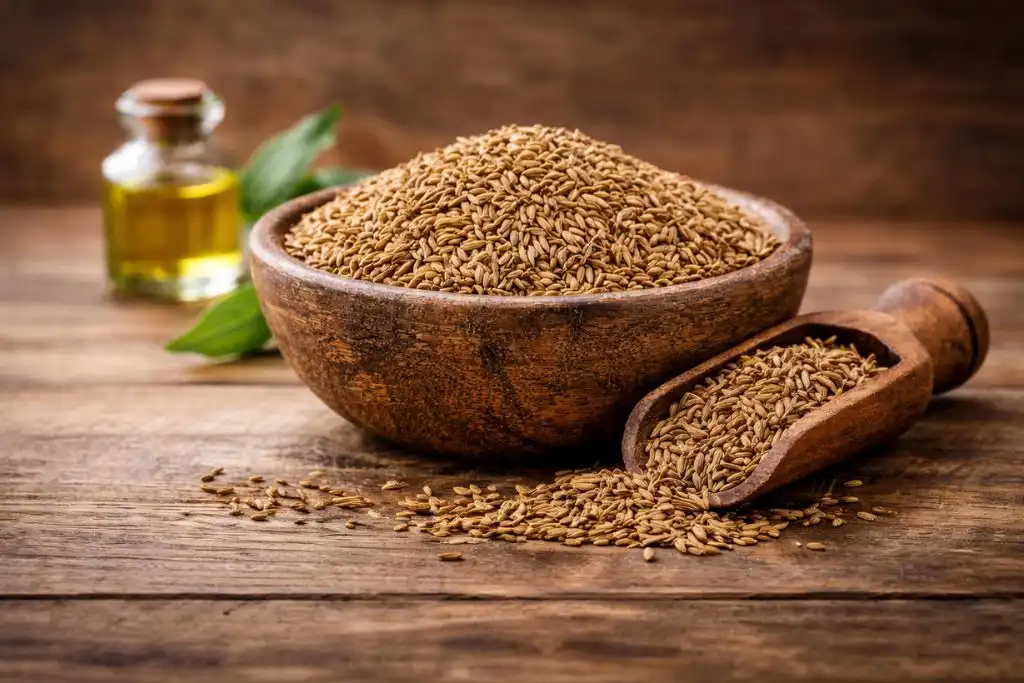

Ashwagandha is safe for most healthy adults at recommended doses for up to 3 months. But there are real side effects and a genuine liver risk that every user should understand clearly before starting.
📋 Table of Contents
Introduction
Ashwagandha is one of the most popular herbal supplements in the world. And for most healthy adults at the right dose, it is safe and well tolerated. But as its use grows, so do the reports of side effects — including a small but real number of serious liver injury cases from countries around the world.
This does not mean ashwagandha is dangerous. It means — like all potent herbs — it needs to be used correctly. Understanding the risks, the warning signs, and who should not take it helps you make a safe, informed decision.
🛠️ Free Health Tools — BMI Calculator, Sleep Calculator, Water Intake Calculator & more
🔍 Browse All Free Health Tools →This guide covers every known side effect of ashwagandha honestly — from mild digestive issues to the liver warning — plus drug interactions, who should avoid it, and how to use it as safely as possible. For the full benefits profile, see our pillar guide on ashwagandha benefits, dosage, and uses.
Common Side Effects
The NIH confirms that most ashwagandha side effects are mild and manageable. They are most common when ashwagandha is taken on an empty stomach or at too high a dose.
🤢 Nausea and upset stomach
The most commonly reported side effect. Almost always avoidable by taking ashwagandha with food or warm milk. Never take on an empty stomach — this is the single most effective way to prevent this side effect.
🚽 Loose stools or diarrhea
Reported in some users — especially at higher doses. Reduce the dose if this happens. Start at 300mg and build up gradually rather than jumping straight to the maximum dose.
😴 Drowsiness
More common at evening doses or higher amounts. This can actually be useful if you are taking ashwagandha for sleep. But avoid driving or operating machinery until you know how it affects you personally.
😮 Dry mouth
Mild and usually temporary. Stay well hydrated throughout the day.
💓 Increased heart rate
Reported occasionally in clinical trials — usually mild and temporary. If you notice a persistent fast heartbeat after starting ashwagandha, stop and consult your doctor.
🤧 Allergic reactions (rare)
Ashwagandha belongs to the nightshade family. People with known nightshade allergies (tomato, bell pepper, eggplant) should be careful — cross-reactivity is possible, though rare.
The Liver Warning — Explained
This is the most important safety section in this article. Liver injury from ashwagandha is rare — but it is real, documented, and reported from multiple countries including Japan, Iceland, India, the USA, and several European nations.
A 2026 critical review published in Phytotherapy Research confirmed liver toxicity has been reported — particularly with prolonged or excessive use. Individual case reports describe patients developing jaundice, dark urine, and elevated liver enzymes after taking ashwagandha supplements.
🔬 What Causes Liver Injury from Ashwagandha?
A 2026 clinical review identified the most likely causes: products containing ashwagandha leaves (not just root), very high doses above recommended levels, contaminated or adulterated low-quality supplements, combinations with other herbs or medications, and rare individual sensitivity reactions. Root-only standardized extracts at recommended doses have a significantly better safety record than leaf-containing or unknown-quality products.
Real Cases — What Happened
Documented cases include a 36-year-old man hospitalized with jaundice and dark urine after taking ashwagandha for a year, and a 22-year-old woman who developed severe itching, fatigue, nausea, and jaundice within 30 hours of ingestion. Most cases resolved after stopping the supplement — but some required medical treatment.
| Risk Factor | Level of Risk | What to Do |
|---|---|---|
| Leaf-containing products | 🔴 Higher risk | Always choose root-only extract — check label |
| Very high doses (above 600mg/day) | 🔴 Higher risk | Stay within 300–600mg per day maximum |
| Unknown quality / no third-party testing | 🔴 Higher risk | Buy from reputable brands with quality certificates |
| Multi-herb supplements containing ashwagandha | 🟠 Moderate risk | Prefer single-ingredient ashwagandha products |
| Pre-existing liver conditions | 🔴 Higher risk | Do not use without doctor’s approval |
| Root-only standardized extract at 300–600mg | 🟢 Low risk | Standard safe use — monitor for warning signs |
Thyroid Effects
Ashwagandha can affect thyroid hormone levels. Research shows it may increase levels of thyroid hormones T3 and T4. For most people this is not a problem — but for people with thyroid conditions, this matters.
| Thyroid Condition | Risk | What to Do |
|---|---|---|
| Hypothyroidism (underactive thyroid) | Potentially beneficial — may support thyroid function | Tell your doctor — monitor thyroid levels if using regularly |
| Hyperthyroidism (overactive thyroid) | ⚠️ Risk of worsening — thyroid hormones may increase further | Avoid ashwagandha without doctor’s approval |
| Thyroid medication (levothyroxine etc.) | ⚠️ Interaction possible — ashwagandha may change how medication works | Always tell your doctor before combining |
| No thyroid condition | Low risk at recommended doses | No specific action needed |
Drug Interactions
Ashwagandha can interact with several types of medication. Always inform your doctor or pharmacist if you take any prescription medication regularly.
🌿 Not sure if ashwagandha is safe for you? Type it in our free Herb & Tea Benefit Finder — get safety notes, dosage, and who should be careful instantly.
🔍 Try the Herb & Tea Benefit Finder →| Medication Type | Possible Interaction | What to Do |
|---|---|---|
| Thyroid medication (levothyroxine) | Ashwagandha may increase thyroid hormones — changing how medication works | Tell your doctor before using — monitor thyroid levels |
| Immunosuppressants (organ transplant drugs) | Ashwagandha boosts immune activity — may counteract immunosuppressive medication | Do not use without specialist approval |
| Sedatives and sleep medication | Ashwagandha has calming effects — may add to sedative effect | Use with caution — inform your doctor |
| Diabetes medication | Ashwagandha may lower blood sugar — combined effect may cause levels to drop too low | Monitor blood sugar carefully — inform your doctor |
| Blood pressure medication | Ashwagandha may lower blood pressure — additive effect possible | Monitor blood pressure — inform your doctor |
| Antidepressants and anti-anxiety drugs | Ashwagandha affects serotonin pathways — possible interaction with SSRIs | Always discuss with your psychiatrist before combining |
| Liver-processed medications (CYP450 drugs) | Ashwagandha compounds may affect how some drugs are processed in the liver | Ask your pharmacist if your medication is affected |
Who Should Avoid Ashwagandha?
🤰 Pregnant women
Safety during pregnancy has not been established. Some traditional sources link high doses to uterine stimulation. Avoid completely during pregnancy unless directly advised by your doctor.
🍼 Breastfeeding women
Not enough safety data exists for breastfeeding. Avoid until more research is available or until cleared by your doctor.
🫀 Liver conditions
People with any existing liver disease, elevated liver enzymes, or a history of liver problems should not take ashwagandha without explicit medical approval — given the documented liver injury risk.
🦋 Hyperthyroidism
Ashwagandha may raise thyroid hormones — worsening an overactive thyroid. Avoid without doctor’s guidance if you have hyperthyroidism or Graves’ disease.
🏥 Pre-surgery patients
Stop ashwagandha at least 2 weeks before any scheduled surgery. It may affect blood pressure, blood sugar, and interact with anaesthetic medications.
🧬 Hormone-sensitive prostate cancer
Ashwagandha raises testosterone — which may not be appropriate for men with hormone-sensitive prostate cancer. The NIH specifically flags this group. Always discuss with your oncologist.
💊 Immunosuppressive medication users
Ashwagandha’s immune-boosting properties may directly work against immunosuppressive drugs taken after organ transplants or for autoimmune conditions.
| Who | Risk | What to Do |
|---|---|---|
| Pregnant women | Safety not established — possible uterine effects | Avoid completely |
| Breastfeeding women | Insufficient safety data | Avoid until cleared by doctor |
| Liver conditions | Documented liver injury risk | Do not use without doctor approval |
| Hyperthyroidism | May raise thyroid hormones further | Avoid without specialist guidance |
| Pre-surgery patients | BP, blood sugar, and anaesthetic interactions | Stop 2 weeks before surgery |
| Hormone-sensitive prostate cancer | Testosterone-raising effect | Discuss with oncologist |
| Immunosuppressant users | May counteract medication | Do not use without specialist approval |
Root vs Leaf — Why It Matters for Safety
This is the single most important buying decision for ashwagandha safety. The root and the leaf of the ashwagandha plant have very different safety profiles.
| Feature | 🟢 Root Extract | 🔴 Leaf Extract |
|---|---|---|
| Traditional Ayurvedic use | Thousands of years of use | Not traditionally used for supplementation |
| Clinical research | Almost all clinical trials used root | Very limited safety research |
| Liver injury cases | Fewer — mainly at very high doses | Higher association in documented cases |
| Withanolide content | Therapeutic levels — well studied | Different compound profile — less understood |
| NIH/WebMD recommendation | ✅ Preferred for supplementation | ⚠️ Less studied — use with extra caution |
| How to identify on label | “Root extract” or “Withania somnifera root” | “Leaf extract” or just “Withania somnifera” (may include leaf) |
How to Use Ashwagandha Safely
| Safety Rule | Why It Matters |
|---|---|
| Choose root-only extract (KSM-66 or Sensoril) | Leaf products have higher liver risk association |
| Stay within 300–600mg per day | Most liver injury cases involved higher doses or unknown amounts |
| Always take with food or warm milk | Prevents nausea — the most common reason people have problems |
| Buy from reputable brands with third-party testing | Low-quality products may be adulterated or contaminated |
| Cycle — 3 months on, 2–4 weeks off | Long-term safety beyond 3 months is not established |
| Tell your doctor if you take any medication | Prevents dangerous drug interactions |
| Monitor for liver warning signs throughout use | Early detection allows prompt treatment if liver injury occurs |
Warning Signs to Watch For
Most people take ashwagandha with no serious problems. But know these warning signs and act quickly if they appear.
| Warning Sign | What It May Indicate | What to Do |
|---|---|---|
| Yellowing of skin or eyes (jaundice) | Possible liver injury | Stop ashwagandha immediately — see a doctor today |
| Dark brown or cola-colored urine | Possible liver injury | Stop immediately — seek medical attention |
| Pale or clay-colored stools | Possible liver injury | Stop immediately — seek medical attention |
| Severe itching without a rash | Possible liver or allergic reaction | Stop and see a doctor |
| Unusual fatigue and nausea together | Possible liver stress or reaction | Stop and consult your doctor |
| Persistent fast heartbeat | Possible thyroid or cardiovascular effect | Stop and consult your doctor |
| Significant abdominal pain | Possible digestive or liver reaction | Stop and seek medical advice |
Conclusion
Ashwagandha is safe for most healthy adults when used correctly — but it is not completely risk-free. The common side effects (nausea, loose stools, drowsiness) are mild and almost always avoidable by taking it with food. The serious risk — liver injury — is rare but real, and has been reported from multiple countries.
The good news is that most liver injury cases are linked to specific avoidable factors: leaf-containing products, very high doses, low-quality supplements, or combinations with other herbs. Root-only standardized extract at 300–600mg per day from a reputable brand carries a significantly lower risk.
Know the warning signs. Take it with food. Use root-only extract. Cycle it. Tell your doctor if you take medication. Follow these rules and ashwagandha is a genuinely useful, generally safe adaptogen for most healthy adults.
For the full benefits guide, see our complete ashwagandha benefits guide. For stress specifically, see ashwagandha for stress and anxiety.
Try Our Free Herb & Tea Benefit Finder
Type ashwagandha, bacopa, turmeric, or any herb to instantly see its benefits, best time to use, preparation method, and who should be careful.
🔍 Open the Herb & Tea Benefit Finder →Frequently Asked Questions
The most common side effects are nausea, loose stools, drowsiness, and dry mouth. These are usually mild and mainly happen when ashwagandha is taken on an empty stomach or at too high a dose. Taking it with food eliminates most digestive complaints. Starting at 300mg per day and building up gradually also reduces the risk of side effects.
Rarely — but yes, documented cases exist. Liver injury cases have been reported from Japan, Iceland, India, the USA, and Europe. Most cases were linked to leaf-containing products, very high doses, low-quality supplements, or combinations with other herbs. Root-only standardized extracts at 300–600mg per day carry a much lower risk. Always stop immediately and see a doctor if you develop yellowing of skin, dark urine, or severe fatigue while taking ashwagandha.
Check four things on the label: it says “root extract” (not just “extract” or “leaf”), it states a withanolide percentage (2.5–5%), it comes from a reputable brand with third-party testing, and it is a single-ingredient product (not a multi-herb blend). KSM-66 and Sensoril are the two best-studied branded extracts with the strongest safety records. Avoid cheap unknown brands with no quality information.
Groups who should avoid ashwagandha or check with their doctor first include: pregnant women, breastfeeding women, people with liver conditions, people with hyperthyroidism, those taking immunosuppressive medication, men with hormone-sensitive prostate cancer, people scheduled for surgery within 2 weeks, and anyone taking thyroid, diabetes, blood pressure, or antidepressant medication without medical guidance.
Yes — research shows ashwagandha may increase thyroid hormone levels (T3 and T4). For people with hypothyroidism (underactive thyroid) this might be beneficial — but they should still monitor their levels. For people with hyperthyroidism (overactive thyroid) or those on thyroid medication, this is a risk that needs medical supervision. Always tell your doctor if you take thyroid medication and want to use ashwagandha.
Yes — for up to 3 months at a time at the recommended dose of 300–600mg per day from a root-only extract. The NIH confirms it appears well tolerated for up to about 3 months. Beyond 3 months, long-term safety data is limited. Most practitioners suggest cycling — 3 months on, then a 2–4 week break. If you have any health condition or take medication, always discuss ongoing use with your doctor.
The warning signs of possible liver injury from ashwagandha are: yellowing of skin or eyes (jaundice), dark brown or cola-colored urine, pale or clay-colored stools, severe itching without a rash, unusual fatigue combined with nausea, and significant abdominal pain. If you experience any of these while taking ashwagandha, stop immediately and see a doctor the same day. Most documented cases resolved after stopping the supplement — but prompt medical attention is important.
Yes — for most healthy adults, asgandh (the Hindi and Urdu name for ashwagandha) is safe when taken as a root-only standardized extract at 300–600mg per day with food for up to 3 months. The key safety rules are the same regardless of what name you use: choose root-only extract, buy from a quality brand, take with food, and be aware of the warning signs of liver problems. Avoid if you are pregnant, have liver or thyroid conditions, or take immunosuppressive medication.