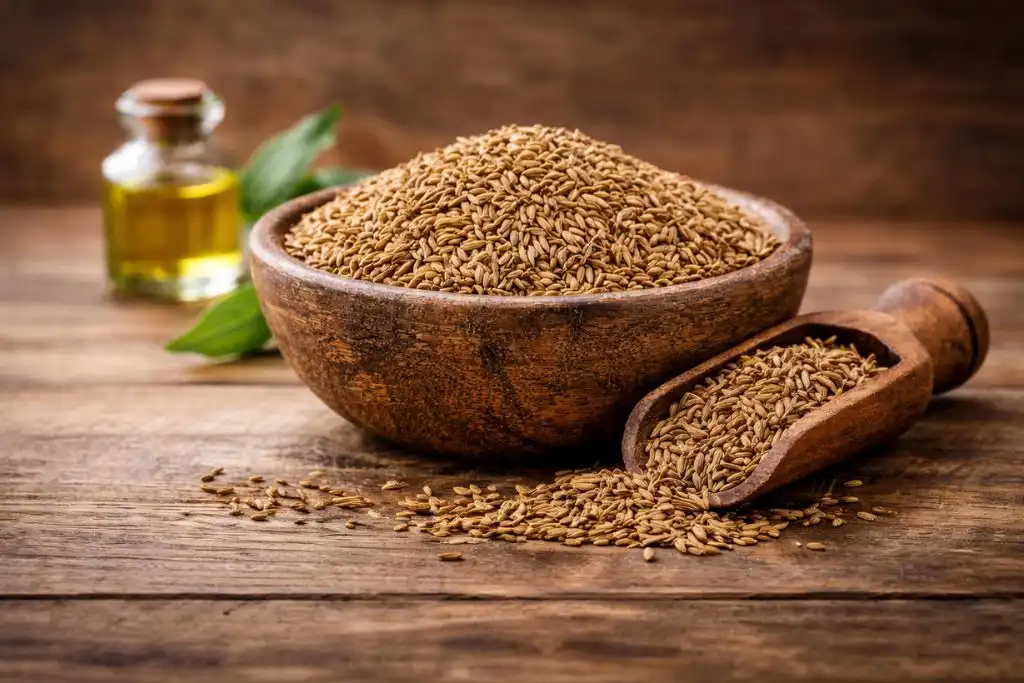

Fenugreek is safe for most healthy adults at normal doses. A 2026 scoping review found most side effects are mild and self-limiting — with no fatalities attributed to its use. But there are real risks you need to know.
📋 Table of Contents
Introduction
Fenugreek is one of the most widely used and well-researched medicinal seeds in the world. For most healthy adults, it is safe and well tolerated. But like any potent herb — it has real side effects and drug interactions you need to understand before starting.
A 2026 scoping review analyzed all reported human adverse effects of fenugreek. It found that most side effects were mild and self-limiting. No deaths have been attributed to fenugreek use. But important risks exist — especially for people who are pregnant, take diabetes medication, or use blood thinners.
🛠️ Free Health Tools — BMI Calculator, Sleep Calculator, Water Intake Calculator & more
🔍 Browse All Free Health Tools →This guide covers every known side effect of fenugreek honestly — from the mild and harmless to the serious and rare. For the full benefits profile, see our guide on fenugreek benefits, nutrition, and uses.
Common Side Effects
The 2026 scoping review found that digestive discomfort is the most common side effect of fenugreek. Most people who experience problems are taking high doses or taking fenugreek on an empty stomach.
🍁 Maple syrup body odor
The most widely reported effect — and also the most harmless. Fenugreek contains a compound called sotolon. This gives sweat, urine, and sometimes stool a distinctive maple syrup smell. It is completely harmless. It goes away when you stop taking fenugreek. Nursing mothers should know it can also affect the smell of breastmilk — though this is not dangerous for the baby.
🤢 Nausea and upset stomach
Common at higher doses. Almost always avoidable by taking fenugreek with food. Never take it on an empty stomach at supplement doses. Starting with a small amount and building up gradually also reduces this risk significantly.
🚽 Diarrhea and loose stools
More common at doses above 5–10g of seed powder per day. The high fiber content accelerates bowel movement. Reduce your dose if this happens. Build up slowly — start with 1 teaspoon and increase over 2–3 weeks.
💨 Bloating and gas
Fenugreek’s soluble fiber feeds gut bacteria — which can cause temporary bloating and gas when you first start taking it. This usually settles within 1–2 weeks as your gut adjusts. Drinking plenty of water helps reduce this effect.
💓 Increased heart rate
Reported occasionally in clinical studies — usually mild and temporary. If you notice a persistent fast heartbeat after starting fenugreek, stop and see your doctor.
Blood Sugar Drop Risk
Fenugreek meaningfully lowers blood sugar. This is one of its most useful benefits — but it also creates a real risk for people who already take medication that lowers blood sugar.
If you take insulin, metformin, or any other diabetes medication — adding fenugreek on top can lower your blood sugar more than expected. This can cause hypoglycemia — symptoms include sweating, shaking, dizziness, confusion, and weakness.
📊 How Significant Is the Blood Sugar Effect?
Significant enough to matter clinically. A 2025 meta-analysis of 26 clinical trials confirmed fenugreek reduces fasting blood glucose, HbA1c, and post-meal blood sugar. For most healthy adults without diabetes — this is a benefit. For people on diabetes medication — it requires careful monitoring. The NIH specifically flags large doses as potentially causing a “harmful drop in blood sugar.”
Liver Safety — What the Evidence Shows
This is the most nuanced safety topic around fenugreek. Here is the honest picture.
What NIH LiverTox Says
The NIH LiverTox database — the most authoritative source on supplement liver safety — rates fenugreek as Likelihood Score E: unlikely cause of clinically apparent liver injury. It notes that in formal clinical trials, fenugreek has had no significant effect on liver enzyme levels. It also notes fenugreek has shown liver-protective properties in animal models.
But Individual Cases Exist
Despite the low overall risk rating, individual case reports of liver injury do exist. A documented case involved a 34-year-old woman who developed acute liver injury with right upper abdominal pain after using fenugreek. Her liver enzyme levels resolved after stopping the supplement. A 2025 case report found fenugreek exacerbated liver toxicity from cancer medication ribociclib in a patient.
| Evidence Source | Finding | What It Means |
|---|---|---|
| NIH LiverTox Database | Likelihood Score E — unlikely liver injury cause | Low overall risk at normal doses in healthy adults |
| Clinical trials (multiple) | No significant liver enzyme changes in trial participants | Reassuring for standard use |
| Individual case reports | Rare acute liver injury cases documented | Real but rare — not zero risk |
| 2025 case report | Fenugreek worsened liver toxicity from cancer drug | Serious risk if combined with hepatotoxic medications |
| 2026 scoping review | No fatalities attributed to fenugreek | Overall safety profile is good — but not completely risk-free |
Pregnancy & Breastfeeding
Pregnancy — Important Warning
The NIH is clear on this: fenugreek is not safe during pregnancy in amounts greater than those found in normal food use. Studies — both in animals and humans — have linked fenugreek supplements to an increased risk of birth defects. It may also stimulate uterine contractions, which raises the risk of premature labor.
Small culinary amounts of fenugreek in cooking are generally considered safe. But therapeutic doses from soaking water, seed powder, or supplements should be avoided completely during pregnancy.
🍼 Breastfeeding — Mixed Picture
Fenugreek is widely used for breastmilk production — and the FDA classifies it as “Generally Recognized as Safe” (GRAS) as a food flavoring. However, a survey of 85 nursing mothers in the US found that 45% reported an adverse reaction. Reported effects included digestive upset in both mother and baby, increased heart rate, and in rare cases more serious reactions. If you use fenugreek while breastfeeding — use a small dose, monitor your baby for any changes, and always discuss with your midwife or lactation consultant first.
Allergy Risk
Fenugreek belongs to the legume plant family — the same family as peanuts, chickpeas, and soybeans. This means cross-reactivity is possible. People with legume allergies may react to fenugreek.
Allergic reactions to fenugreek range from mild skin reactions and runny nose to serious reactions including asthma exacerbation and anaphylaxis. A 2026 scoping review specifically documented allergic reactions and hypersensitivity as one of the reported adverse effects categories.
Drug Interactions
🌿 Not sure if fenugreek is safe for you? Type it in our free Herb & Tea Benefit Finder — get preparation method, timing, dosage, and safety notes instantly.
🔍 Try the Herb & Tea Benefit Finder →| Medication | Interaction | What to Do |
|---|---|---|
| Warfarin (blood thinner) | Fenugreek may increase anticoagulant effect — raising bleeding risk. NIH specifically flags this interaction. | Do not use fenugreek regularly if you take warfarin without your doctor’s knowledge and INR monitoring |
| Diabetes medication (insulin, metformin, etc.) | Combined blood sugar lowering may cause hypoglycemia | Tell your doctor — monitor blood sugar carefully — dose adjustment may be needed |
| Blood pressure medication | Fenugreek may lower blood pressure — additive effect possible | Monitor blood pressure — inform your doctor |
| Anti-platelet drugs (aspirin, clopidogrel) | Fenugreek has mild anti-platelet activity — may add to bleeding risk | Inform your doctor if you take these regularly |
| Cancer medication (e.g. ribociclib) | A 2025 case report found fenugreek worsened liver toxicity from this cancer drug | Do not use fenugreek during cancer treatment without oncologist approval |
| Thyroid medication | Fenugreek fiber may reduce absorption of thyroid medication if taken at the same time | Take thyroid medication at least 2 hours before or after fenugreek |
Who Should Avoid Fenugreek?
🤰 Pregnant women
Do not take therapeutic doses during pregnancy. Risk of birth defects and uterine contractions. Normal culinary amounts in cooking are generally safe.
🤧 People with legume allergies
Fenugreek is in the same plant family as peanuts and chickpeas. Serious allergic reactions are possible. Test with a very small amount first.
💊 Warfarin users
Fenugreek may increase bleeding risk when combined with warfarin. Only use with your doctor’s knowledge and regular INR monitoring.
🏥 Pre-surgery patients
Stop fenugreek at least 2 weeks before any scheduled surgery. It affects blood sugar, blood pressure, and may interact with anaesthetic medications.
🎗️ Cancer patients on hepatotoxic drugs
A 2025 case report found fenugreek worsened liver toxicity from cancer medication. Do not use fenugreek during cancer treatment without your oncologist’s approval.
🫀 People with liver conditions
While liver injury from fenugreek is rare, people with existing liver conditions should only use it with their doctor’s approval and regular liver function monitoring.
How to Use Fenugreek Safely
| Safety Rule | Why It Matters |
|---|---|
| Always take with food | Prevents most digestive side effects including nausea and loose stools |
| Start with a small dose and build up | Reduces digestive upset and lets you see how your body responds |
| Tell your doctor if you take any medication | Prevents dangerous drug interactions — especially with warfarin and diabetes medication |
| Do not exceed recommended doses | Higher doses increase both digestive side effects and blood sugar drop risk |
| Stop immediately if you develop liver warning signs | Early detection allows prompt treatment if a rare liver reaction occurs |
| Buy from reputable brands with clear labeling | Poorly labeled products may have inconsistent doses — increasing side effect risk |
Conclusion
Fenugreek is safe for most healthy adults at normal doses. The 2026 scoping review confirms most side effects are mild and manageable. No fatalities have been attributed to fenugreek use. The NIH rates it as an unlikely cause of serious liver injury.
The real risks are specific and avoidable. Pregnancy is the most important — avoid therapeutic doses completely. Warfarin and diabetes medication interactions require doctor supervision. Allergy risk is real for anyone with legume sensitivity.
Follow the simple rules — take with food, start small, tell your doctor about your medications, and know the warning signs. For the full benefits profile, see our fenugreek benefits guide.
Try Our Free Herb & Tea Benefit Finder
Type fenugreek, ashwagandha, cinnamon, or any herb to instantly see its benefits, best time to use, preparation method, and who should be careful.
🔍 Open the Herb & Tea Benefit Finder →Frequently Asked Questions
The most common side effects are digestive — nausea, bloating, loose stools, and gas. These mainly occur at high doses or when fenugreek is taken on an empty stomach. Almost all digestive side effects are avoidable by taking fenugreek with food and starting with a small dose. The other very common effect is a maple syrup smell in sweat and urine — completely harmless and caused by a compound called sotolon.
Rarely — but individual cases exist. The NIH LiverTox database rates fenugreek as Likelihood Score E — meaning it is an unlikely cause of clinically apparent liver injury. Clinical trials have not found significant liver enzyme changes. However, rare individual case reports of liver injury after fenugreek use have been published. Stop immediately and see a doctor if you develop yellowing of skin, dark urine, pale stools, or severe abdominal pain while taking fenugreek.
No — therapeutic doses are not safe during pregnancy. The NIH states clearly that fenugreek is not safe in amounts greater than those found in normal food use during pregnancy. Both animal and human studies have linked fenugreek supplements to an increased risk of birth defects. It may also stimulate uterine contractions. Normal culinary amounts in cooking are generally considered safe — but supplement doses, soaking water, and seed powder should be avoided during pregnancy.
Yes — this is one of the most clinically significant fenugreek interactions. Fenugreek may increase the blood-thinning effect of warfarin, raising the risk of bleeding. The NIH specifically flags this interaction. If you take warfarin or any anti-coagulant medication — do not add fenugreek to your routine without your doctor’s knowledge and regular INR monitoring. This applies to both supplement capsules and regular daily fenugreek water consumption.
Yes — particularly when combined with diabetes medication. Fenugreek meaningfully lowers blood sugar on its own. When added on top of insulin, metformin, or other blood sugar-lowering medication — the combined effect may cause hypoglycemia. Symptoms include sweating, shaking, dizziness, and confusion. If you take diabetes medication — tell your doctor before starting fenugreek and monitor your blood sugar carefully for the first few weeks.
Fenugreek contains a compound called sotolon — the same molecule responsible for the maple syrup smell. When you consume fenugreek, sotolon is released through sweat, urine, and sometimes stool and breastmilk. This is completely harmless and goes away when you stop taking fenugreek. It is actually a useful sign — when you start smelling of maple syrup, you know fenugreek is in your system. Interestingly, sotolon is the compound that artificial maple syrup flavoring is based on.
Use with caution. Fenugreek belongs to the legume plant family — the same family as peanuts, chickpeas, and soybeans. Cross-reactivity between legumes is well documented. People with peanut or legume allergies may react to fenugreek. If you have a known legume allergy — test with a very small amount first and watch for any reaction. Do not use fenugreek supplements without discussing it with your allergist first.
Yes — for most healthy adults at normal doses for up to 3 months. The 2026 scoping review confirms fenugreek is generally safe with most side effects being mild and self-limiting. At 1–2 teaspoons of seeds per day or 250–600mg of extract — taken with food — it is well tolerated for ongoing daily use. Most practitioners suggest cycling — 3 months on, then a 2–4 week break. Always tell your doctor if you take any medication before making fenugreek a daily habit.