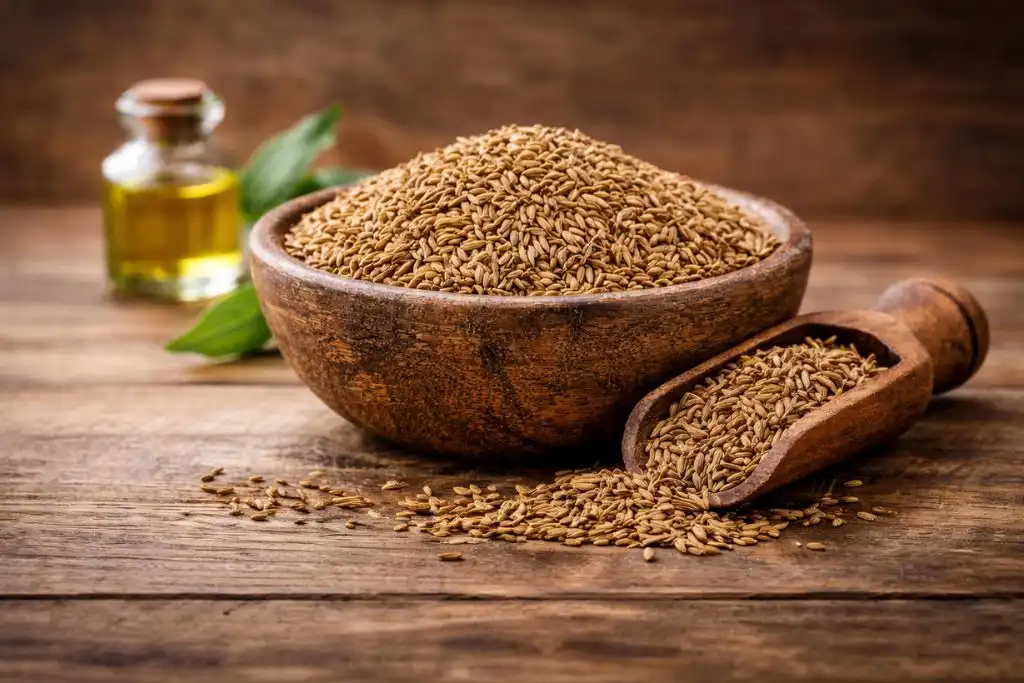
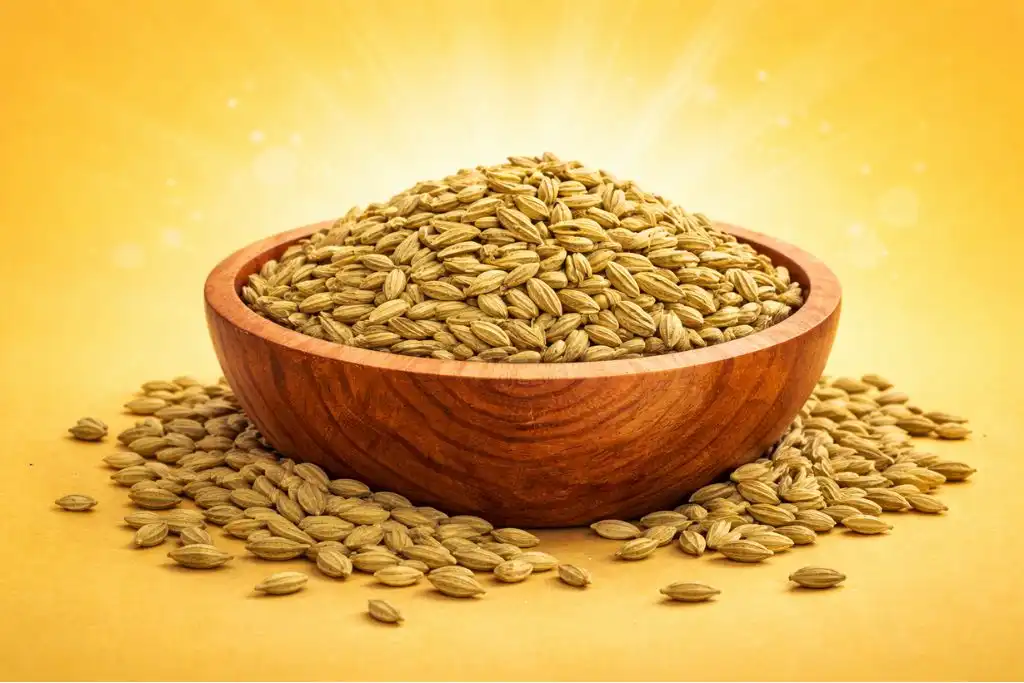
Fennel seeds are small aromatic seeds used for thousands of years in cooking and traditional medicine. Research confirms they help digestion, support women’s health, fight free radicals, and boost immunity.
📋 Table of Contents
Introduction
Walk into any South Asian home or restaurant after a meal and you will find a small bowl of fennel seeds. This centuries-old tradition is no accident. Fennel seeds are one of the most trusted digestive spices in the world.
India produces over 60% of the world’s fennel seeds. The global fennel market was worth $838 million in 2023 and is growing fast — a sign of rising worldwide interest in this humble seed.
🛠️ Free Health Tools — Water Intake Calculator, BMI Calculator, Intermittent Fasting Calculator & more
🔍 Browse All Free Health Tools →Beyond their post-meal freshening role, modern research links fennel seeds to digestive health, hormonal balance, heart health, immune support, and more. Their key compound — anethole — gives fennel its sweet, liquorice-like smell and has been studied for its calming, anti-inflammatory, and germ-fighting properties.
This guide covers everything: what fennel seeds are, their nutrition, 10 health benefits, traditional uses, how to prepare fennel water for daily hydration and digestion, safe dosage, side effects, and all the important FAQs.
What Are Fennel Seeds
Fennel seeds are the dried seeds of the Foeniculum vulgare plant — a tall, flowering herb native to the Mediterranean. They are small, oval-shaped, greenish-brown, and have a sweet, earthy aroma with a mild liquorice-like flavor.
The fennel plant belongs to the same family as parsley, coriander, cumin, and carrot. Every part of the plant is edible — the bulb, leaves, stalks, and seeds. But the dried seeds are the most widely traded and studied form.
🌍 Names Around the World
| Language / Region | Name |
|---|---|
| Hindi / Urdu | Saunf / Saumph (سونف) |
| English | Fennel Seeds / Sweet Fennel |
| Sanskrit / Ayurvedic | Shatapushpa / Misreya |
| Arabic | Shamar (شمار) |
| Bengali | Mauri / Mouri |
| Telugu | Sompu |
| Tamil | Peruncirakam / Sombu |
| Punjabi | Sounf |
Common forms include: whole raw saunf, roasted fennel seeds, fennel seed powder (saunf powder), saunf water (fennel water), fennel tea (saunf chai), sugar-coated mukhwas (mouth freshener), and fennel essential oil.
Nutritional Profile of Fennel Seeds
Fennel seeds pack a lot of nutrition for their small size. Here is what you get per 1 tablespoon (~6g) of whole fennel seeds.
| Nutrient | Amount (per 1 tbsp) | Notes |
|---|---|---|
| Calories | ~20 kcal | Very low calorie |
| Carbohydrates | ~3g | Low-glycemic |
| Dietary Fiber | ~2.3g | Great for gut movement |
| Protein | ~0.9g | Plant protein |
| Fat | ~0.9g | Healthy unsaturated fats |
| Calcium | ~69mg | ~7% Daily Value — bone health |
| Iron | ~1.1mg | ~6% Daily Value |
| Magnesium | ~22mg | Muscle and nerve function |
| Potassium | ~98mg | Blood pressure support |
| Vitamin C | ~3.5mg | Immune and antioxidant support |
| Manganese | ~0.2mg | ~9% Daily Value — metabolism |
Key Plant Compounds in Fennel Seeds
Beyond basic nutrition, fennel contains powerful plant compounds that drive most of its health benefits.
| Compound | Type | What It Does |
|---|---|---|
| Anethole | Essential oil | Relieves gas, calms inflammation, fights germs — gives fennel its smell |
| Fenchone | Essential oil | Relaxes intestinal muscles, helps digestion, fights bacteria |
| Estragole | Essential oil | Fights germs, adds flavor |
| Quercetin | Flavonoid | Reduces inflammation, protects heart and arteries |
| Rosmarinic acid | Polyphenol | Reduces inflammation, protects brain cells |
| Chlorogenic acid | Polyphenol | Helps blood sugar control, antioxidant |
| Apigenin | Flavonoid | Antioxidant, calming, studied for anti-cancer effects |
| Phytoestrogens | Plant hormone compounds | Support women’s hormonal health and milk production |
🔬 Why Fennel Is So Rich in Antioxidants
Fennel seeds contain over 87 volatile compounds including polyphenol antioxidants such as rosmarinic acid, chlorogenic acid, quercetin, and apigenin. Diets rich in these antioxidants are linked to lower risk of chronic diseases like diabetes, heart disease, and brain conditions.
10 Health Benefits of Fennel Seeds
Here are the ten main reasons fennel seeds have been trusted for thousands of years. Each benefit has research or strong traditional evidence behind it.
🌿 Supports Digestion & Relieves Bloating
Fennel seeds contain compounds that relax the muscles in your gut. This reduces gas, bloating, and intestinal cramping. They also help your body produce more digestive enzymes for better food breakdown.
This is exactly why fennel seeds are served after meals across South Asia. For a deeper look at the digestive benefits of fennel seeds, see our dedicated guide.
💨 Relieves Gas, Acidity & Indigestion
The essential oils in fennel — especially anethole — control stomach acid and reduce that sour taste after eating. Fennel also contains a natural anti-gas compound called aspartic acid.
These effects are helpful for IBS, acid reflux, heartburn, and general post-meal discomfort. Drinking fennel water after meals is one of the most traditional and effective ways to get this benefit.
🌸 Women’s Health — Menstrual & Hormonal Support
Fennel seeds contain plant compounds that mildly mimic estrogen. Multiple studies have shown fennel extract reduces menstrual pain effectively. One study found it worked as well as a common painkiller for period cramps.
Fennel also helps regulate menstrual cycles and has been shown to reduce menopause symptoms like hot flushes, sleep problems, and mood swings.
🔬 The Research on Menstrual Pain
Multiple clinical studies confirm fennel extract reduces dysmenorrhea (menstrual pain). One Iranian study found it was as effective as mefenamic acid — a common NSAID painkiller. The phytoestrogens and muscle-relaxing properties in fennel help calm uterine muscles, reducing cramp intensity.
❤️ Heart Health Support
Fennel seeds support your heart in several ways. Their high fiber helps lower LDL (bad) cholesterol. The flavonoid quercetin reduces artery inflammation. Potassium helps keep blood pressure healthy.
Research also suggests fennel may increase nitrite levels in saliva, which plays a role in healthy blood pressure over time.
🛡️ Rich in Antioxidants
Fennel seeds are loaded with plant antioxidants — rosmarinic acid, chlorogenic acid, quercetin, and apigenin. They also contain vitamin C. These work together to neutralize harmful free radicals in your body.
Diets rich in these antioxidants are linked to lower risk of type 2 diabetes, heart disease, and certain cancers.
🍼 Supports Breast Milk Production
Fennel seeds have been used for centuries to help nursing mothers produce more breast milk. The plant estrogen compounds in fennel are believed to support the hormonal pathways behind milk production.
Ayurvedic texts specifically recommend fennel for nursing mothers. While more human research is needed, fennel remains one of the most widely used traditional milk-boosting remedies across South Asia.
⚖️ May Support Weight Management
Fennel seeds’ high fiber creates a feeling of fullness, reducing unnecessary snacking. A 2015 study found fennel tea significantly reduced appetite and increased feelings of fullness.
Fennel water for daily hydration is widely consumed as part of weight management routines. Its mild diuretic effect also helps reduce water retention. But fennel alone is not a weight-loss solution — it works best as part of a balanced lifestyle.
🦠 Germ-Fighting & Immune Support
Research confirms fennel fights several types of bacteria and fungi, including E. coli and Staphylococcus aureus. The essential oil anethole is the main germ-fighting agent.
Fennel also contains vitamin C and flavonoids that support immune cell function. Regular use gives your immune system meaningful daily support, especially during seasonal changes.
🫁 Respiratory Health Support
Fennel helps loosen and clear mucus from the lungs and airways. This makes it useful for coughs, bronchitis, and mild asthma symptoms.
Traditional Ayurvedic and Unani medicine both use fennel in respiratory formulas. Warm fennel tea is a time-honored home remedy for colds and congestion.
✨ Skin & Anti-Aging Benefits
Fennel seeds help protect skin from premature wrinkles and oxidative damage. Vitamin C stimulates collagen production. Antioxidant polyphenols fight free radical damage. The germ-fighting properties also help with acne.
In Ayurveda, fennel seed water is used as a toner for glowing, healthy skin. Fennel also supports blood purification, which shows in clearer skin.
Fennel Seeds in Ayurveda & Traditional Medicine
In Ayurveda, fennel seeds are known as Shatapushpa and are classified as a cooling spice that balances all three body energies. They are valued for calming digestion, reducing internal heat, and supporting the reproductive and respiratory systems. Ancient texts list fennel among the most versatile herbs — used for over 40 types of disorders.
In Unani medicine — practiced across South Asia and the Middle East — saunf is classified as warm and moist. Healers use it for digestive complaints, respiratory conditions, eye health, and as a general tonic. Fennel water is also prescribed for cooling the body during summer.
In Mediterranean and Middle Eastern traditions, fennel has been used since ancient Egypt and Rome. The Romans called it foeniculum (meaning “fragrant hay”) and consumed it as a digestive remedy. Greek athletes ate fennel believing it promoted strength and longevity.
How to Use Fennel Seeds — Practical Methods
There are many ways to use fennel seeds every day. Here are the most popular methods and what each one is best for.
| Method | How | Best For |
|---|---|---|
| Post-meal chewing | Chew ½ tsp raw saunf after meals | Digestion, breath freshening, acidity relief |
| Saunf water (soaked) | Soak overnight, drink in morning | Digestion, bloating, weight management |
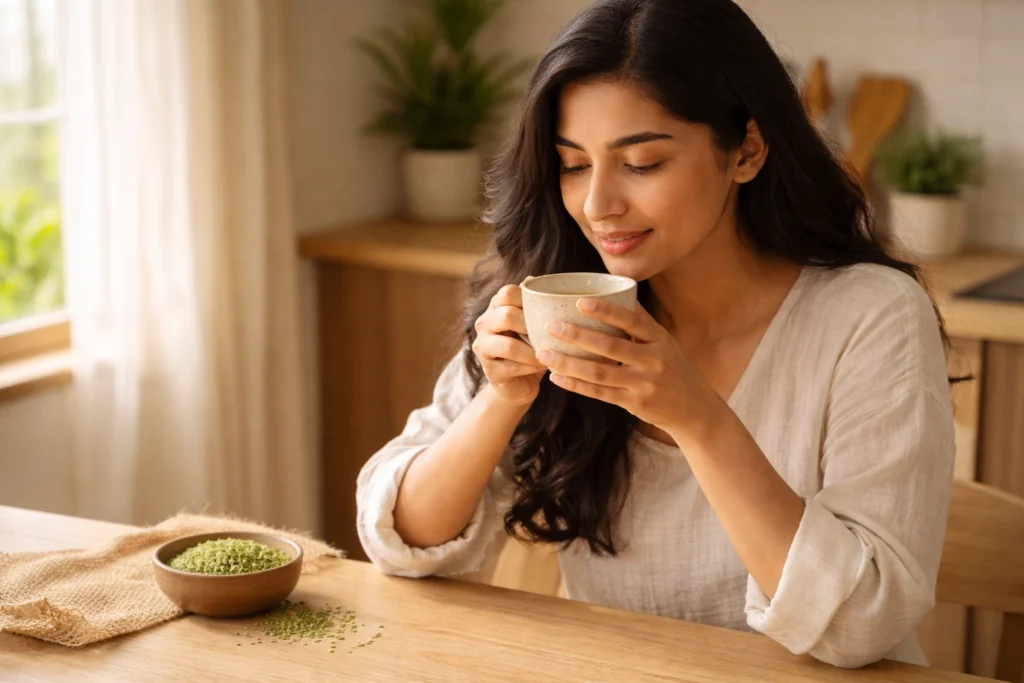
| Fennel tea (saunf chai) | Boil 1 tsp in 2 cups water for 5–7 min | Cough, IBS, menstrual pain, sleep |
| In cooking (tadka) | Add to hot oil before vegetables or dal | Flavor, digestion, everyday nutrition |
| Roasted saunf | Dry-roast until golden and aromatic | Stronger flavor, post-meal mukhwas |
| Saunf powder | Grind and add to spice blends, yogurt | Baking, marinades, digestive churna |
| Saunf sharbat | Blend soaked saunf, strain, sweeten lightly | Summer cooling drink, hydration |
🌿 How should you use fennel seeds? Type it in our free Herb & Tea Benefit Finder — get preparation method, timing, dosage, and safety notes instantly.
🔍 Try the Herb & Tea Benefit Finder →Best Time to Consume Fennel Seeds
| Time | Form | What It Helps |
|---|---|---|
| 🌅 Morning, empty stomach | Saunf water (overnight soak) | Digestion, detox, metabolism, weight |
| 🍽️ After meals | Chew raw or roasted saunf | Gas relief, digestion, breath freshening |
| ☀️ Mid-morning / afternoon | Fennel tea | Hydration, appetite control, refreshment |
| 🌙 Before bed | Warm fennel tea | Relaxation, IBS relief, sleep support |
| 🩺 During menstruation | Fennel tea or saunf water | Cramp relief, hormonal balance |
Wondering whether fennel water or cumin water is the better choice for your specific needs? Our head-to-head comparison covers taste, traditional use, and who should choose which.
🔗 🌾 Explore the Full Fennel Series — Deeper Guides
This is the complete pillar guide to fennel seeds. For deeper dives, explore the dedicated cluster articles:
How to Make Saunf Water (Fennel Seed Water)
Saunf water is one of the most popular ways to use fennel seeds. It’s drunk daily across India and Pakistan. For the full step-by-step with tips and mistakes to avoid, see our complete guide on how to make fennel water at home.
🌊 Method 1: Overnight Soak (Best for Maximum Nutrients)
Ingredients: 1–2 tsp fennel seeds · 250ml water · Optional: lemon, honey, ginger
- 1
Add 1–2 tsp fennel seeds to a glass of water in the evening.
- 2
Cover and soak overnight (8–10 hours minimum).
- 3
Strain the seeds in the morning.
- 4
Drink warm or at room temperature on an empty stomach.
🔥 Method 2: Boiled Fennel Water (Faster, Stronger Flavor)
Ingredients: 1 tsp fennel seeds · 2 cups (500ml) water
- 1
Add 1 tsp fennel seeds to 2 cups of cold water in a small pot.
- 2
Bring to a gentle boil, then simmer 5–7 minutes.
- 3
Turn off heat and let cool slightly.
- 4
Strain and drink warm or at room temperature.
☕ Fennel Tea (Saunf Chai)
Ingredients: 1 tsp fennel seeds (lightly crushed) · 1–2 cups boiling water · Optional: honey, lemon
- 1
Lightly crush fennel seeds to release the oils.
- 2
Put in a cup or tea strainer and pour boiling water over.
- 3
Cover and steep 5–7 minutes.
- 4
Strain. Add honey and lemon if you like. Drink warm.
How Much Water Should You Drink Daily?
Saunf water and fennel tea count toward your daily fluid intake. Use our free Water Intake Calculator to find your personal hydration target.
💧 Calculate My Water Intake →Recommended Daily Dosage
These are safe daily amounts for most healthy adults. Start at the lower end and see how your body responds.
Side Effects & Safety
Fennel seeds are generally safe in normal food amounts. But there are important precautions to know about.
Be Extra Careful If You:
🤰 Are pregnant
Concentrated fennel may stimulate uterine contractions. Small cooking amounts are fine.
🍼 Are breastfeeding
Small culinary amounts are fine. Avoid concentrated teas in excess.
🧬 Have hormone-sensitive conditions
Fennel’s plant estrogens may affect estrogen-dependent conditions.
💊 Take blood thinners
Fennel may have mild blood-thinning effects.
🌿 Have fennel or related plant allergy
Related plants include carrot, celery, coriander.
💉 Take long-term medication
Potential interactions with certain drugs — ask your doctor.
Possible Side Effects from Too Much Fennel
| Side Effect | Likely Cause | How to Prevent |
|---|---|---|
| Mild stomach discomfort | Too much fennel irritating the gut | Keep to 1–2 tsp per day |
| Nausea | Large amounts on empty stomach | Start small; take with food |
| Allergic reaction | Sensitivity to related plants | Stop use; see doctor |
| Hormonal effects | Too many plant estrogen compounds | Avoid large medicinal doses; normal cooking is fine |
| Drug interactions | May affect how some medicines work | Ask your doctor if on long-term medication |
For a complete breakdown of fennel water-specific side effects and who should avoid it, see our dedicated guide: fennel water side effects and who should avoid it →
Conclusion
Fennel seeds are one of the most versatile and time-tested spices in the world. Their plant compounds deliver real benefits — from gas relief and digestive support to women’s health, immune protection, and skin care.
The beauty of fennel is its simplicity. You don’t need supplements or complicated preparations. Chewing a few seeds after meals, drinking a morning glass of fennel water for digestion, or sipping warm fennel tea before bed — these small daily habits are where the real value lies.
If you want to compare fennel with cumin for your specific health goal, our guides on cumin water vs fennel water and fennel water vs cumin water will help you decide.
Try Our Free Herb & Tea Benefit Finder
Type fennel, cumin, ginger, or any herb to instantly see its key benefits, best time to use, preparation method, and who should be careful.
🔍 Open the Herb & Tea Benefit Finder →Frequently Asked Questions
Fennel seeds are used as a cooking spice, a post-meal mouth freshener and digestive aid, and to prepare saunf water or fennel tea. They are also used traditionally for menstrual pain, respiratory complaints, milk production support, and skin health. India produces over 60% of the world’s fennel seeds.
Chewing fennel seeds after a meal triggers digestive enzyme production, reduces bloating and gas, calms stomach acid, and freshens breath naturally. The aromatic oil anethole relaxes gut muscles, reducing post-meal discomfort. This centuries-old practice is backed by science. See our guide on fennel water after meals for more detail.
Saunf water may support weight management through fiber-driven fullness, mild water retention relief, and possible metabolism boost. A 2015 study found fennel tea significantly reduced appetite. But fennel alone is not a weight-loss solution — it works best alongside a balanced diet and active lifestyle.
Yes — this is one of fennel’s most well-researched benefits. Multiple studies show fennel extract effectively reduces period pain. One study found it worked as well as a common painkiller. The plant estrogens and muscle-relaxing properties help calm uterine muscles. Warm fennel tea during menstruation is the most common method.
Fennel seeds are eaten whole or ground — chewed after meals or added to cooking. Saunf water is made by soaking seeds in water overnight or boiling them, creating a lighter beverage. Saunf water is gentler on the stomach and preferred for daily hydration and morning routines. See how to make fennel water for the full method.
Small amounts in everyday cooking are generally safe. But concentrated forms — like large amounts of fennel tea, saunf water, or supplements — should be avoided during pregnancy without medical advice. High doses may stimulate the uterus. Always check with your healthcare provider if unsure.
In normal food amounts (1–2 tsp per day), fennel seeds are well tolerated. Too much may cause mild stomach discomfort, nausea, or hormonal sensitivity in some people. Those allergic to related plants (carrot, celery, coriander) or with hormone-sensitive conditions should be careful. See our full guide on fennel water side effects.
No. Fennel (saunf) and cumin (jeera) are completely different plants with different flavors and health properties. Fennel is sweeter with a mild liquorice taste; cumin is earthier and more pungent. They belong to the same plant family but are distinct species. Don’t swap one for the other. See our fennel water vs cumin water comparison.
For most healthy adults, 1–2 teaspoons per day — in cooking, chewed after meals, or as saunf water — is safe and beneficial. This matches centuries of traditional practice. Going over this regularly without reason isn’t necessary and may cause mild digestive upset in sensitive people.