Cinnamon is one of the most widely studied spices in the world. Used for over 4,000 years in cooking and traditional medicine, it offers real, research-backed benefits for blood sugar, heart health, digestion, and immunity.
📋 Table of Contents
Introduction
Cinnamon is one of the oldest and most widely used spices in the world. People have valued it for over 4,000 years — from ancient Egyptian embalming rituals and medieval European medicine to the kitchens and herbal traditions of South Asia, the Middle East, and China.
Today, cinnamon is far more than a baking spice. It is one of the most extensively researched herbs in nutritional science, with clinical studies confirming its benefits for blood sugar control, heart health, inflammation, and immunity. It also holds the distinction of having one of the highest antioxidant contents of any spice — gram for gram, it outranks many superfoods.
🛠️ Free Health Tools — Water Intake Calculator, BMI Calculator, Intermittent Fasting Calculator & more
🔍 Browse All Free Health Tools →This complete guide covers everything you need to know about cinnamon — its 10 key health benefits, the important difference between Ceylon and Cassia varieties, nutritional profile, traditional uses, proper dosage, and who should be careful. Whether you use it as a daily spice or are considering cinnamon water or supplements, this guide gives you the full picture.
What Is Cinnamon?
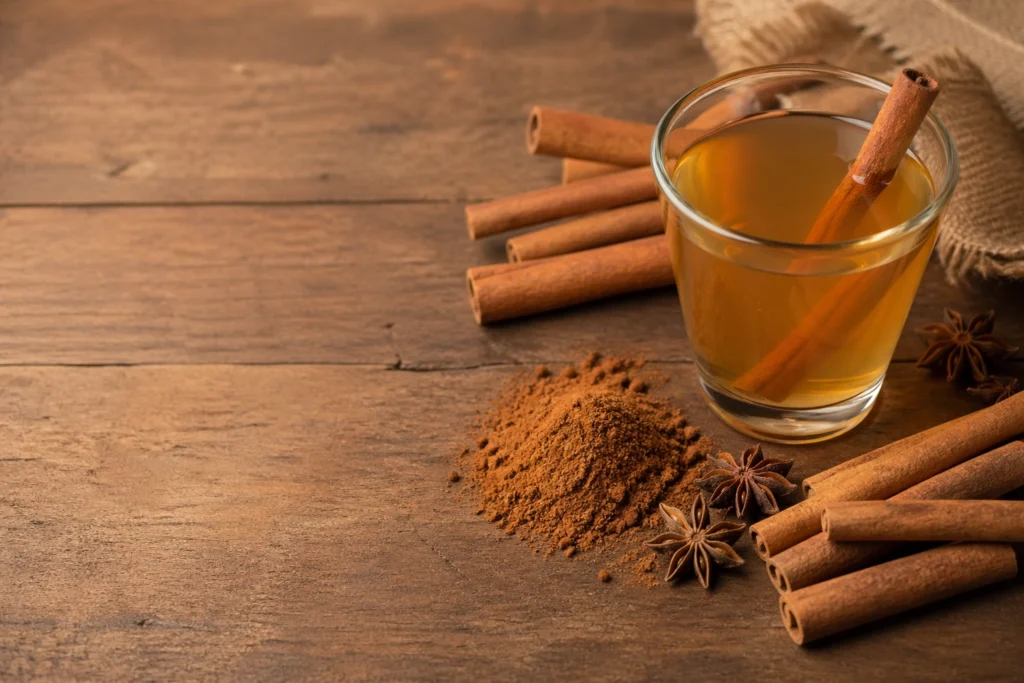
Cinnamon is a spice made from the inner bark of trees in the Cinnamomum genus. The bark is peeled, dried, and rolled into the familiar cinnamon sticks (quills) or ground into powder. It has a warm, sweet, slightly spicy flavor and aroma that comes from its main active compound — cinnamaldehyde.
The spice is native to Sri Lanka and South Asia but is now cultivated across tropical regions worldwide, including Indonesia, Vietnam, China, and parts of South America. It is used in cooking across almost every cuisine in the world and has been part of traditional medicine in Ayurveda, Unani, Traditional Chinese Medicine (TCM), and ancient Greek and Egyptian medicine.
🌱 Quick Plant Facts
Botanical name: Cinnamomum verum (Ceylon) / Cinnamomum cassia (Cassia) · Family: Lauraceae · Native to: Sri Lanka (Ceylon cinnamon), China and Southeast Asia (Cassia) · Part used: Inner bark · Key compound: Cinnamaldehyde, Cinnamyl acetate, Eugenol, Polyphenols
Cinnamon Names Around the World
| Language / Region | Name | Notes |
|---|---|---|
| English | Cinnamon / True Cinnamon | Ceylon variety considered “true” cinnamon |
| Sanskrit / Ayurvedic | Tvak / Dalchini | Tvak means “bark” — used in Ayurvedic formulations |
| Arabic | Qirfa (قرفة) | Used across Middle Eastern cuisine and medicine |
| Chinese | Ròu guì (肉桂) | Used in Traditional Chinese Medicine for warming |
| Japanese | Nikkei (ニッケイ) | Used in Japanese herbal medicine and cuisine |
| French | Cannelle | Common in French pastry and herbal use |
| Spanish | Canela | Central to Latin American and Spanish cooking |
| Hindi / Urdu | Dalchini (दालचीनी) / Darchini (دارچینی) | One of the most recognized spice names across South Asia |
| Botanical / Latin | Cinnamomum verum / C. cassia | Always check botanical name on supplement labels |
Ceylon vs Cassia Cinnamon — What Is the Difference?
This is the most important thing to understand about cinnamon. There are two main types sold worldwide — and they are not the same. Knowing which one you are using matters for both flavor and safety.
| Feature | 🟤 Ceylon (True Cinnamon) | 🟠 Cassia Cinnamon |
|---|---|---|
| Botanical name | Cinnamomum verum | Cinnamomum cassia / aromaticum |
| Origin | Sri Lanka | China, Vietnam, Indonesia |
| Flavor | Mild, delicate, slightly sweet | Stronger, spicier, more pungent |
| Color | Light tan / beige | Reddish-brown / darker |
| Coumarin content | Very low (safe) | High — concern at large daily doses |
| Price | More expensive | Cheaper — most common in supermarkets |
| Best for | Daily supplemental use, diabetics, long-term health use | Cooking, occasional use, baking |
| Safe for daily high-dose use? | ✅ Yes | ⚠️ Limit at high supplement doses |
Nutritional Profile of Cinnamon
Cinnamon is used in small amounts, so its main nutritional value comes from its active plant compounds rather than macronutrients. Here is what 1 teaspoon (2.6g) of ground cinnamon provides.
| Nutrient | Per 1 tsp (2.6g) | Notes |
|---|---|---|
| Calories | ~6 kcal | Very low — negligible caloric impact |
| Carbohydrates | ~2g | Mostly fiber |
| Dietary fiber | ~1.4g | Supports gut health and blood sugar control |
| Calcium | ~26mg (~3% DV) | Modest contribution to bone health |
| Iron | ~0.2mg (~1% DV) | Trace mineral support |
| Manganese | ~0.5mg (~22% DV) | High — supports bone and metabolic health |
| Vitamin K | ~0.8mcg | Small contribution |
| Fat / Protein | Trace | Not a significant source |
Key Active Compounds in Cinnamon
| Compound | What It Does |
|---|---|
| Cinnamaldehyde | Main active compound — gives cinnamon its flavor and germ-fighting properties |
| Cinnamic acid | Antioxidant; anti-inflammatory |
| Cinnamate | Supports antioxidant activity; skin protection |
| Polyphenols | Powerful antioxidants — among the highest of any spice |
| Proanthocyanidins | Support heart health and blood vessel function |
| Eugenol | Pain-relieving and germ-fighting properties |
| Coumarin | Natural blood thinner — high in Cassia, low in Ceylon |
10 Health Benefits of Cinnamon
These benefits are based on available clinical research and traditional use. Cinnamon is not a treatment or cure for any medical condition. Always consult your doctor before using cinnamon for specific health concerns.
🩸 Helps Regulate Blood Sugar
This is cinnamon’s most researched benefit. Cinnamon helps your body use insulin more effectively — the hormone that moves sugar from your blood into your cells. Multiple clinical studies have found that regular cinnamon consumption lowers fasting blood sugar levels in people with type 2 diabetes.
It works in two ways: by slowing how quickly food is digested (reducing post-meal blood sugar spikes) and by improving how well your cells respond to insulin. For more on this, see our dedicated guide on cinnamon for diabetes and blood sugar control.
❤️ Supports Heart Health
Research suggests cinnamon can help reduce several key risk factors for heart disease. Studies have shown it lowers LDL (bad) cholesterol, reduces total cholesterol, and brings down triglyceride levels — while keeping HDL (good) cholesterol stable.
Cinnamon also helps relax blood vessels, which may contribute to lower blood pressure. Its combination of antioxidant, anti-inflammatory, and cholesterol-reducing properties make it one of the most heart-friendly spices available.
🔥 Powerful Anti-Inflammatory Properties
Chronic low-grade inflammation is linked to most serious health conditions — heart disease, diabetes, cancer, and autoimmune disorders. Cinnamon’s polyphenols and cinnamaldehyde have strong anti-inflammatory effects, helping your body reduce this background inflammation.
Research shows cinnamon inhibits several key inflammatory pathways in the body — including some of the same pathways targeted by common pain medications, but without the side effect profile.
🛡️ Loaded with Antioxidants
Cinnamon is one of the richest sources of antioxidants of any food. Its polyphenols help neutralize free radicals — unstable molecules that damage cells, accelerate aging, and contribute to chronic disease.
In fact, cinnamon has been shown to outperform many popular antioxidant-rich foods — including garlic and oregano — in standardized antioxidant capacity tests. This makes even small daily amounts in cooking or tea meaningful for long-term cellular health.
🧠 May Protect Brain Health
Research into cinnamon and brain health is promising. Studies suggest cinnamaldehyde and epicatechin (a compound in cinnamon) may help prevent the buildup of tau proteins in the brain — one of the key features of Alzheimer’s disease.
Animal studies also show cinnamon may protect neurons from damage, improve motor function, and reduce neuroinflammation. While more human clinical trials are needed, the early findings are encouraging for long-term brain aging support.
⚖️ Supports Weight Management
Cinnamon supports weight management through several mechanisms. It helps slow gastric emptying (food leaves the stomach more slowly), which keeps you feeling full for longer. It also helps regulate blood sugar — reducing the energy crashes and sugar cravings that drive overeating.
Some research also suggests cinnamon may mildly increase metabolism. For realistic expectations on this benefit, see our guide on cinnamon for weight loss.
🦠 Fights Bacteria and Fungi
Cinnamaldehyde has well-documented germ-fighting properties. Research shows it is effective against a wide range of bacteria and fungi — including some antibiotic-resistant strains. It is particularly effective against Listeria and Salmonella, two common food-borne pathogens.
Cinnamon oil has been studied as a natural food preservative, and the spice itself has long been used in traditional medicine for respiratory infections, dental infections, and oral hygiene.
🌸 May Reduce Period Pain
Cinnamon has been studied specifically for menstrual cramps and dysmenorrhoea. A double-blind clinical trial found that women who took cinnamon capsules experienced significantly less pain, nausea, and bleeding during menstruation compared to the placebo group.
The anti-inflammatory and muscle-relaxing properties of cinnamaldehyde are thought to be the main reason for this benefit. Warm cinnamon water or cinnamon tea during menstruation is a traditional remedy across South Asian and Middle Eastern households.
🦷 Supports Oral Health
Cinnamon’s germ-fighting compounds — particularly cinnamaldehyde and eugenol — are effective against the bacteria that cause bad breath, tooth decay, and gum disease. Studies show cinnamon extracts can significantly reduce levels of Streptococcus mutans, the main bacterium responsible for tooth decay.
Cinnamon has been used in traditional dental care across Ayurveda and Chinese medicine for centuries. Modern natural toothpastes and mouthwashes frequently include cinnamon extract as an active ingredient.
🫁 Supports Digestion
Cinnamon has been used as a digestive aid for thousands of years. It helps stimulate digestive enzyme activity, reduces gas and bloating, and may help relieve nausea. Its warming properties are thought to support gastric motility — the movement of food through the digestive system.
In Ayurvedic and Unani medicine, cinnamon is classified as a warming digestive spice that helps activate digestive fire (agni). A cup of warm cinnamon water or tea after heavy meals is a traditional post-meal remedy across many cultures.
Cinnamon in Traditional Medicine
Cinnamon is one of the most universally used medicinal spices in history — appearing in the traditional medicine systems of almost every major civilization.
| Tradition | Classification | Traditional Uses |
|---|---|---|
| Ayurveda (India) | Deepaniya (digestive stimulant), Tvak | Digestion, colds, circulation, blood sugar support |
| Unani (Greco-Arab) | Warming spice, second degree hot and dry | Digestive weakness, poor circulation, coughs |
| Traditional Chinese Medicine | Rou Gui — warming, yang-tonifying herb | Cold limbs, digestive pain, menstrual discomfort |
| Ancient Egypt | Sacred — used in embalming and medicine | Preservation, medicine, religious rituals |
| Ancient Greece / Rome | Luxury medicine | Digestive tonics, respiratory support |
| Islamic Tibb | Highly regarded warming spice | Digestion, heart, liver, and kidney support |
📚 Cinnamon in Ayurveda
In Ayurveda, cinnamon (Tvak) is classified as a tridoshic spice — it can benefit all three doshas when used appropriately. It is particularly valued for its ability to improve digestion, warm the body, support circulation, and balance blood sugar. It appears in classical Ayurvedic formulations including Trikatu and Triphala-based digestive blends.
How to Use Cinnamon
Cinnamon is one of the most versatile spices in the world. Here are the main ways to get its benefits into your daily routine.
🌿 How should you use cinnamon? Type it in our free Herb & Tea Benefit Finder — get preparation method, timing, dosage, and safety notes instantly.
🔍 Try the Herb & Tea Benefit Finder →| Method | How | Best For |
|---|---|---|
| Ground powder in food | Add to oatmeal, yogurt, smoothies, curries, baked goods | Daily use — easiest method |
| Cinnamon water | Boil a cinnamon stick or ½ tsp powder in 250ml water for 10 min | Blood sugar support, digestion, weight management |
| Cinnamon tea | Steep a cinnamon stick in hot water for 10–15 minutes | Morning drink, digestion, warming |
| Cinnamon with honey | Mix ½ tsp cinnamon in warm water with 1 tsp honey | Immunity, throat soothing, oral health |
| Cinnamon in milk | Add ½ tsp to warm milk with a pinch of turmeric | Sleep support, anti-inflammation — evening drink |
| Supplement capsule | Follow label instructions — choose Ceylon | Blood sugar management, standardized dosing |

☕ Simple Cinnamon Water Recipe
Best for: Morning use, blood sugar support, digestion
- 1
Add 1 cinnamon stick (or ½ tsp Ceylon cinnamon powder) to 300ml of water in a small pot.
- 2
Bring to a gentle boil over medium heat.
- 3
Reduce heat and simmer for 10 minutes. The water will turn golden and aromatic.
- 4
Remove from heat. Cool until comfortably warm.
- 5
Strain into a cup. Add a squeeze of lemon or ½ tsp honey after cooling if desired.
- 6
Drink warm in the morning before or after breakfast.
Always use Ceylon cinnamon for daily water preparations — not Cassia — to avoid excess coumarin intake.
Best Time to Use Cinnamon
| Time | Purpose | Best Form |
|---|---|---|
| 🌅 Morning — empty stomach | Blood sugar support, metabolism, digestion activation | Cinnamon water or tea |
| 🍽️ With or after meals | Slows post-meal blood sugar rise, aids digestion | Sprinkled in food or cinnamon water |
| 🌙 Evening | Anti-inflammatory support, sleep, warming | Cinnamon in warm milk |
| 🤧 During illness | Immunity, germ-fighting, throat soothing | Cinnamon with honey in warm water |
Cinnamon Dosage Guide
The right amount of cinnamon depends on what you are using it for and which type you choose. Here are the general guidelines based on available research.
Side Effects & Safety
Cinnamon is safe for most healthy adults in food amounts. But there are important things to know — especially about the type of cinnamon and the amounts used.
🫀 Liver damage (Cassia at high doses)
High daily amounts of Cassia cinnamon (from supplements or very large cooking quantities) can stress the liver due to coumarin content. Always use Ceylon for daily health purposes.
🩸 Low blood sugar (hypoglycemia)
Cinnamon lowers blood sugar — which is beneficial for most people but risky if you take diabetes medication. The combined effect may push blood sugar too low. Monitor levels carefully and tell your doctor.
💊 Blood thinning interaction
Cassia cinnamon contains coumarin, which has mild blood-thinning properties. If you take warfarin or other anticoagulants, discuss regular cinnamon use with your doctor.
🤰 Pregnancy — large amounts
Cinnamon in food is generally safe during pregnancy. But large therapeutic doses may stimulate the uterus. Avoid supplements during pregnancy unless directed by your doctor.
🤧 Mouth sores (cinnamon oil/candy)
Direct contact with concentrated cinnamon oil or cinnamon-flavored candy can irritate the mouth lining. This does not apply to normal food or tea use.
💊 Medication interactions
Cinnamon may interact with diabetes medication, blood thinners, liver-processed drugs, and some antibiotics. Always inform your doctor if you use cinnamon regularly in therapeutic amounts.
Who Should Be Careful
| Group | Reason for Caution | What to Do |
|---|---|---|
| Diabetics on medication | Additive blood sugar-lowering effect | Monitor glucose; tell your doctor |
| Liver conditions | Cassia coumarin may stress the liver | Use Ceylon only; ask your doctor |
| Blood thinner users | Coumarin in Cassia may compound effect | Use Ceylon; consult doctor about amounts |
| Pregnant women | Large doses may stimulate uterus | Food amounts are fine; avoid supplements |
| Pre-surgery patients | Blood-thinning and blood sugar effects | Stop supplements 2 weeks before surgery |
Conclusion
Cinnamon is one of the most powerful and well-researched spices in the world. Its benefits for blood sugar, heart health, inflammation, and immunity are backed by genuine clinical evidence — not just tradition. And it is one of the easiest therapeutic spices to add to your daily life, whether in cooking, warm drinks, or supplements.
The most important thing to remember is the type of cinnamon you use. For daily therapeutic use — especially cinnamon water, supplements, or large amounts added to food — always choose Ceylon cinnamon. Cassia is fine for occasional cooking but should not be consumed in large amounts every day.
As with any supplement or therapeutic food, consult your doctor if you take medication — especially for diabetes, blood pressure, or blood thinning. Cinnamon is a powerful tool as part of a balanced diet and healthy lifestyle.
Explore our cluster guides to go deeper: cinnamon for diabetes, cinnamon for weight loss, and cinnamon water benefits.
Try Our Free Herb & Tea Benefit Finder
Type cinnamon, turmeric, ginger, or any herb to instantly see its benefits, best time to use, preparation method, and who should be careful.
🔍 Open the Herb & Tea Benefit Finder →Frequently Asked Questions
Ceylon cinnamon (Cinnamomum verum) is considered the healthier choice for regular daily use — especially in supplements or cinnamon water. It contains very low levels of coumarin, which makes it safe for long-term daily consumption. Cassia cinnamon (the most common supermarket type) has much higher coumarin content and should be limited if used every day in large amounts. Both are fine for occasional cooking use.
Yes — this is one of cinnamon’s most studied benefits. Multiple clinical trials have shown that regular cinnamon consumption helps lower fasting blood sugar levels and improves insulin sensitivity. It works by slowing how quickly food leaves the stomach and by helping your cells respond better to insulin. For people on diabetes medication, speak with your doctor first as the combined effect may lower blood sugar too much.
For general wellness, ½ to 1 teaspoon of Ceylon cinnamon per day is a good target — either in food, cinnamon water, or tea. For blood sugar support, clinical studies have used doses of 1–6 grams (about ¼ to 1¼ teaspoons) of cinnamon daily. If using Cassia cinnamon, keep to no more than 1 teaspoon per day to stay within safe coumarin limits. For supplements, follow the product label and choose Ceylon.
Cinnamon can support weight management — but it is not a standalone weight-loss solution. It helps by stabilizing blood sugar (reducing cravings), slowing stomach emptying (keeping you fuller for longer), and mildly supporting metabolism. The real benefit is when it replaces sugary drinks or adds flavor without calories. For realistic expectations, see our guide on cinnamon for weight loss.
Ceylon is “true” cinnamon from Sri Lanka — mild, delicate, and very low in coumarin (a liver-stressing compound). Cassia is the most common supermarket variety — stronger in flavor, cheaper, and much higher in coumarin. For everyday cooking, either is fine. But for daily health use — supplements, cinnamon water, or large amounts — always choose Ceylon. Check the label for the botanical name Cinnamomum verum to confirm Ceylon.
Yes — one cup of cinnamon water per day made with Ceylon cinnamon is safe for most healthy adults. Use one cinnamon stick or ½ teaspoon of Ceylon powder per 250–300ml of water. Avoid using Cassia cinnamon for daily water preparations due to its high coumarin content. See our guide on cinnamon water benefits and how to make it.
Cinnamon in normal food amounts — sprinkled on oatmeal or added to cooking — is generally safe during pregnancy. But large therapeutic doses from supplements or concentrated cinnamon water should be avoided during pregnancy, as they may stimulate the uterus. Always check with your doctor or midwife before taking any herbal supplement during pregnancy.
Yes — cinnamon can interact with several medications. The most important ones are: diabetes medication (may lower blood sugar further), blood thinners like warfarin (Cassia coumarin has mild anticoagulant properties), and liver-processed medications (Cassia coumarin may affect liver enzyme activity). If you take any of these, talk to your doctor before using cinnamon in therapeutic amounts. Normal cooking use is generally not a concern.
Dalchini is the Hindi and Sanskrit word for cinnamon — specifically the inner bark of the cinnamon tree. In Urdu it is called darchini (دارچینی). These are the most commonly used names for cinnamon across South Asian cooking and traditional medicine. Dalchini/darchini refers to the same spice as English “cinnamon” — though the type most commonly sold in South Asian markets is usually Cassia, not Ceylon.
Yes — several clinical studies have found that regular cinnamon consumption can lower LDL (bad) cholesterol and triglycerides while keeping HDL (good) cholesterol stable. A meta-analysis of multiple trials found significant reductions in total cholesterol and LDL in people who took cinnamon consistently. The best results were seen with doses of 1–6 grams per day over 40 days or more. As with all cholesterol management, cinnamon works best as part of a heart-healthy diet — not as a standalone treatment.