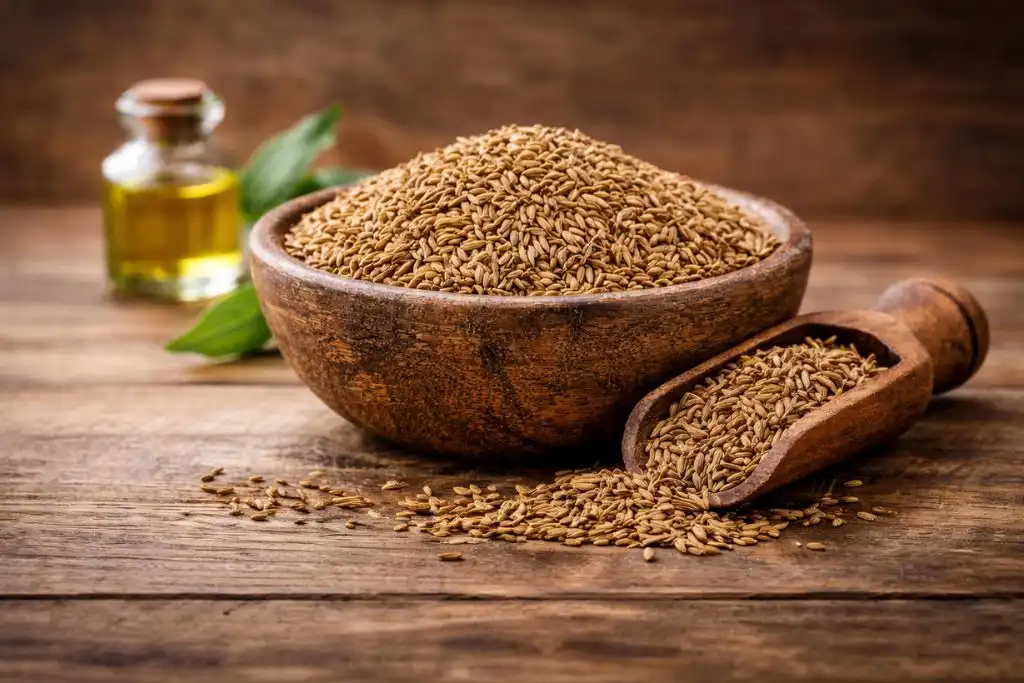

Cardamom tea is one of the simplest and most enjoyable ways to get the full health benefits of cardamom into your daily routine — no capsules, no supplements, just a fragrant cup that actually works.
📋 Table of Contents
Introduction
Cardamom tea has been the go-to after-meal drink across South Asia and the Middle East for thousands of years. Not because it tastes good — though it does. But because it works. It settles the stomach, freshens the breath, and leaves you feeling lighter and more comfortable after eating.
Modern research now confirms what traditional cultures have known for centuries. Cardamom tea offers real, measurable health benefits — from lowering blood pressure and reducing inflammation to supporting weight management, calming the nervous system, and protecting skin. And unlike most supplements, it is affordable, accessible, and genuinely enjoyable to drink.
🛠️ Free Health Tools — BMI Calculator, Blood Sugar Risk Assessment, Water Intake Calculator & more
🔍 Browse All Free Health Tools →This article is part of our complete Cardamom series. For the full overview of all 10 cardamom health benefits, see our complete guide to cardamom benefits for health.
8 Benefits of Cardamom Tea
Relieves Bloating, Gas, and Indigestion
This is cardamom tea’s most well-known benefit — and its most consistently supported one. The essential oils in cardamom stimulate digestive enzyme production, speed gastric emptying, and act as a carminative — reducing gas formation and helping trapped gas pass through the digestive tract. Drinking a cup after meals settles the stomach, reduces post-meal heaviness, and prevents the bloated feeling that follows rich, fatty, or spicy food. This is why cardamom tea has been served after meals across South Asian and Middle Eastern cultures for thousands of years.
Freshens Breath Naturally
Cardamom tea eliminates bad breath at the source — not just masks it. Research shows cardamom extract reduces oral bacteria levels by up to 54% — killing the Streptococcus mutans and other bacteria that cause bad breath and cavities. The 1,8-cineole in cardamom directly neutralises odour-causing compounds in the mouth. Drinking cardamom tea after meals works better than a mint because it addresses the bacterial cause rather than just adding fragrance. This is why cardamom is one of the world’s oldest natural breath fresheners.
Supports Blood Pressure Reduction
Two cups of strong cardamom tea daily — made with 3–4 crushed pods each — contribute meaningfully to your daily 3g cardamom intake. A 2023 meta-analysis of 8 clinical trials and a landmark 12-week RCT both confirm cardamom at this dose reduces both systolic and diastolic blood pressure. Tea alone may not reach the full clinical dose — but combined with cardamom in cooking, it gets you there. For the full blood pressure evidence and dosing guide, see our article on does cardamom lower blood pressure naturally and how fast it works.
Reduces Stress and Calms the Nervous System
Cardamom’s aromatic compounds — particularly 1,8-cineole — have well-documented calming effects on the nervous system. Inhaling the steam from cardamom tea activates the olfactory system and has been shown to reduce cortisol levels and calm anxious thoughts. Drinking it before bed supports deeper, more restful sleep by reducing the physical symptoms of stress. This is why cardamom milk — warm milk with cardamom and honey — is one of the oldest Ayurvedic sleep tonics. It is not sedating — but it is genuinely calming.
Rich in Antioxidants for Skin and Cell Health
Cardamom contains over 25 antioxidant compounds — including quercetin, kaempferol, and phenolic acids. These neutralise free radicals that damage skin cells, accelerate aging, and increase the risk of chronic disease. Regular cardamom tea drinking provides a steady flow of antioxidants to your bloodstream — protecting skin from UV damage, reducing visible aging, and supporting the overall cellular repair processes that keep every organ in your body functioning well.
Supports Weight Management
Cardamom tea supports weight management through three mechanisms. First, it speeds up digestion — reducing the amount of undigested food that ferments and converts to fat. Second, its mild diuretic properties reduce water retention. Third, its blood sugar-stabilising chlorogenic acid prevents the energy crashes and cravings that drive overeating. Research also shows cardamom may have thermogenic properties — increasing heat production and calorie burning slightly. It is not a fat burner — but as part of a healthy daily routine, it makes weight management meaningfully easier.
Supports Respiratory Health
1,8-Cineole — the primary bioactive in cardamom — is a proven bronchodilator. It relaxes airway smooth muscle, opening the airways and making breathing easier. Drinking hot cardamom tea delivers cineole directly to the respiratory tract through both ingestion and steam inhalation. Traditional medicine across South Asia has used cardamom tea for centuries to treat bronchitis, cough, and congestion. Adding a pinch of black pepper and ginger to cardamom tea creates one of the most effective natural remedies for respiratory discomfort available.
Supports Immune Health
Cardamom tea’s antimicrobial, antiviral, and anti-inflammatory compounds support your immune system on multiple fronts. Research published in 2025 found cardamom seed extract activated cellular sensors that detect virus-derived DNA and RNA — suggesting a genuine antiviral mechanism. Its anti-inflammatory compounds reduce the chronic background inflammation that suppresses immune function. And its vitamin C content (small but present) supports white blood cell production. Daily cardamom tea is one of the simplest immune-supporting habits you can build.
📊 Honest note: Most of cardamom tea’s benefits are real and well-supported — but tea alone provides less active compound than supplement doses used in clinical trials. For maximum therapeutic benefit (especially blood pressure and blood sugar), combine daily cardamom tea with cardamom in cooking and consider supplement capsules for consistent therapeutic dosing. Tea is an excellent daily health habit — not a standalone treatment for medical conditions.
How to Make Cardamom Tea at Home
There are several ways to make cardamom tea. Each produces a slightly different strength and flavour. Here are the three most popular methods.
📖 Complete Cardamom Guide
This article focuses on cardamom tea benefits and recipes. For all 10 cardamom health benefits, complete nutrition profile, and safety guide, read our complete cardamom benefits for health guide. For a detailed comparison of pods vs powder and capsules, see our guide on how to use cardamom pods and powder for maximum health benefits.
🍵 Method 1 — Classic Cardamom Pod Tea (Strongest)
- 1Lightly crush 4–5 green cardamom pods with the back of a spoon or knife — just enough to crack them open.
- 2Add the crushed pods to 300ml of cold water in a small saucepan.
- 3Bring to a gentle simmer over medium heat. Do not boil vigorously.
- 4Simmer on low heat for 8–10 minutes until the water turns golden and fragrant.
- 5Strain into a cup. Add honey and a splash of milk to taste.
- 6Drink warm after meals for digestion — or in the evening for stress relief.
🥛 Method 2 — Cardamom Chai (South Asian Style)
- 1Add 200ml water and 100ml milk to a small pot over medium heat.
- 2Crush 3–4 cardamom pods and add to the pot with a 1cm piece of fresh ginger.
- 3Add a black tea bag or 1 teaspoon of loose black tea leaves.
- 4Bring to a gentle boil, then reduce heat and simmer for 3–4 minutes.
- 5Strain into a cup. Add honey or sugar to taste.
- 6Drink in the morning or after meals. The ginger adds extra digestive power.
🌙 Method 3 — Cardamom Golden Milk Tea (Evening Ritual)
- 1Warm 250ml oat milk or dairy milk over low heat — do not boil.
- 2Add ¼ tsp ground cardamom, ¼ tsp turmeric, a pinch of black pepper, and a pinch of cinnamon.
- 3Stir well and simmer for 2–3 minutes.
- 4Remove from heat and add ½ tsp honey.
- 5Drink 30–60 minutes before bed. Excellent for stress, sleep, and settling the stomach after dinner.
🌿 How should you use Cardamom tea? Type cardamom in our free Herb & Tea Benefit Finder — get preparation method, timing, dosage, and safety notes instantly.
🔍 Try the Herb & Tea Benefit Finder →Best Time to Drink Cardamom Tea for Results
When you drink cardamom tea matters as much as how much you drink. Different timings target different benefits.
| Time | Best For | What to Add |
|---|---|---|
| Morning — after breakfast | Energy, metabolism, daily antioxidant baseline | Ginger + black pepper for extra boost |
| 15–20 min before lunch | Blood sugar control, appetite reduction | Plain cardamom — no milk or sugar |
| After meals ⭐ Best overall | Digestion, bloating, fresh breath | Honey + few drops of lemon |
| Mid-afternoon | Energy slump, blood sugar stability | Black tea base + cardamom (chai style) |
| Evening before bed | Stress relief, sleep quality, overnight digestion | Warm milk + turmeric + honey (golden milk style) |
Cardamom Tea Variations Worth Trying
Cardamom pairs beautifully with other health-supporting herbs and spices. These combinations amplify specific benefits and make the tea more enjoyable.
| Variation | What to Add | Extra Benefit |
|---|---|---|
| Cardamom + Ginger | 1cm fresh ginger per cup | Stronger digestion, nausea relief, anti-inflammatory |
| Cardamom + Cinnamon | ½ cinnamon stick or ¼ tsp powder | Better blood sugar control, warming effect |
| Cardamom + Turmeric | ¼ tsp turmeric + pinch black pepper | Powerful anti-inflammatory combination |
| Cardamom + Black Tea | 1 black tea bag | Antioxidant boost, natural caffeine for energy |
| Cardamom + Green Tea | 1 green tea bag | Weight management, metabolism, antioxidants |
| Cardamom + Fennel | ½ tsp fennel seeds | Maximum digestive power — excellent for IBS-type bloating |
| Cardamom + Rose | 1 tsp dried rose petals | Stress relief, skin health, gentle floral flavour |
How Much Cardamom Tea Per Day
💡 Getting to the clinical dose through tea: Two cups of strong cardamom tea (4–5 crushed pods each) plus cardamom in daily cooking gets you close to the 3g clinical dose associated with blood pressure and cholesterol benefits. If you want to be precise — use a measured ¼ teaspoon of ground cardamom powder per cup rather than relying on pod estimates.
Side Effects & Safety
Cardamom tea at culinary strength is safe for most people every day. There are a few situations where caution is needed.
💊 Cardamom Tea and Medication
If you take blood pressure medication — monitor your readings when you start drinking cardamom tea regularly. Both lower blood pressure and the combined effect could make it drop lower than intended. If you take diabetes medication — cardamom tea before meals may lower blood sugar further. Watch for symptoms of low blood sugar (shakiness, sweating, lightheadedness). These interactions are not dangerous if monitored — but your doctor should know you are adding daily cardamom tea to your routine.
Conclusion
Cardamom tea is one of the most enjoyable health habits you can build. It tastes wonderful. It smells incredible. And it genuinely works — for digestion, breath, blood pressure, stress, weight management, and skin health.
The simplest starting point is one cup after your main meal every day. Crush 3–4 green cardamom pods, simmer in water for 8 minutes, strain, and add honey. That is it. Build to 2–3 cups daily over two weeks and you will be getting a meaningful daily cardamom intake that supports multiple aspects of your health simultaneously.
Consistency is what makes cardamom tea effective. One cup occasionally does little. One cup daily for 4–8 weeks produces real, noticeable improvements — particularly in digestion, bloating, and morning energy levels.
Try Our Free Herb & Tea Benefit Finder
Type Cardamom or any herb to instantly see its benefits, how to use it, and who should be careful.
🔍 Open the Herb & Tea Benefit Finder →Frequently Asked Questions
Daily cardamom tea supports digestion and reduces bloating, freshens breath by killing oral bacteria, contributes to blood pressure reduction, calms the nervous system and reduces stress, provides antioxidants for skin and cell health, and supports weight management through improved digestion and mild diuretic properties. Most benefits become noticeable after 2–4 weeks of consistent daily use.
Use 3–5 lightly crushed green cardamom pods per 300ml cup for a well-balanced, flavourful tea with meaningful health benefits. Fewer than 3 pods makes a weak tea with minimal health impact. More than 6 pods per cup can make it overpoweringly strong. Lightly crushing the pods before adding them releases the essential oils more efficiently than using whole pods.
After meals is the best time for most people — particularly for digestion and fresh breath. Morning cardamom tea sets up your digestive system for the day. Evening cardamom milk (golden milk with cardamom) is best for stress relief and sleep support. If you drink it for blood sugar benefits, have a cup 15–20 minutes before meals. Cardamom tea contains no caffeine — so it is safe to drink at any time of day without affecting sleep.
Yes — cardamom tea at culinary strength (3–5 pods per cup, 1–3 cups daily) is safe for most healthy adults every day. Cardamom has been used as a daily drink across South Asian and Middle Eastern cultures for thousands of years without reported harm. People with gallstones should limit their intake. People on blood pressure or diabetes medication should monitor their levels when adding daily cardamom tea.
Cardamom tea supports weight management rather than directly burning fat. It improves digestion, reduces water retention through its diuretic properties, stabilises blood sugar to reduce cravings, and may have mild thermogenic effects. It works best as part of a healthy overall diet and exercise routine. Replacing high-calorie drinks like sugary sodas or sweetened coffees with plain cardamom tea is one of its most practical weight management benefits.
One cup of cardamom tea per day at normal culinary strength is generally considered safe during pregnancy. Cardamom has been consumed daily in South Asian cooking throughout pregnancy for generations without reported problems. Avoid drinking multiple strong cups daily during pregnancy as a precaution — large amounts of any concentrated herbal preparation are best limited until after delivery. Always check with your doctor if you have any concerns.
Cardamom tea has a warm, sweet, slightly floral, and mildly spicy flavour with a distinctive aromatic quality that is instantly recognisable. It is much more pleasant than most herbal teas — with none of the bitterness of green tea or the earthiness of ginger tea on its own. Adding honey brings out the sweet floral notes. Adding milk creates the classic chai flavour that most people already love.
Yes — cardamom pairs beautifully with most herbal teas. It works particularly well with ginger tea (enhanced digestive power), green tea (weight management and antioxidants), cinnamon tea (blood sugar support), and hibiscus tea (blood pressure and antioxidants). Simply add 2–3 crushed cardamom pods to any tea you are already brewing. The flavour of cardamom is pleasant and versatile — it enhances rather than overpowers most other herbal flavours.