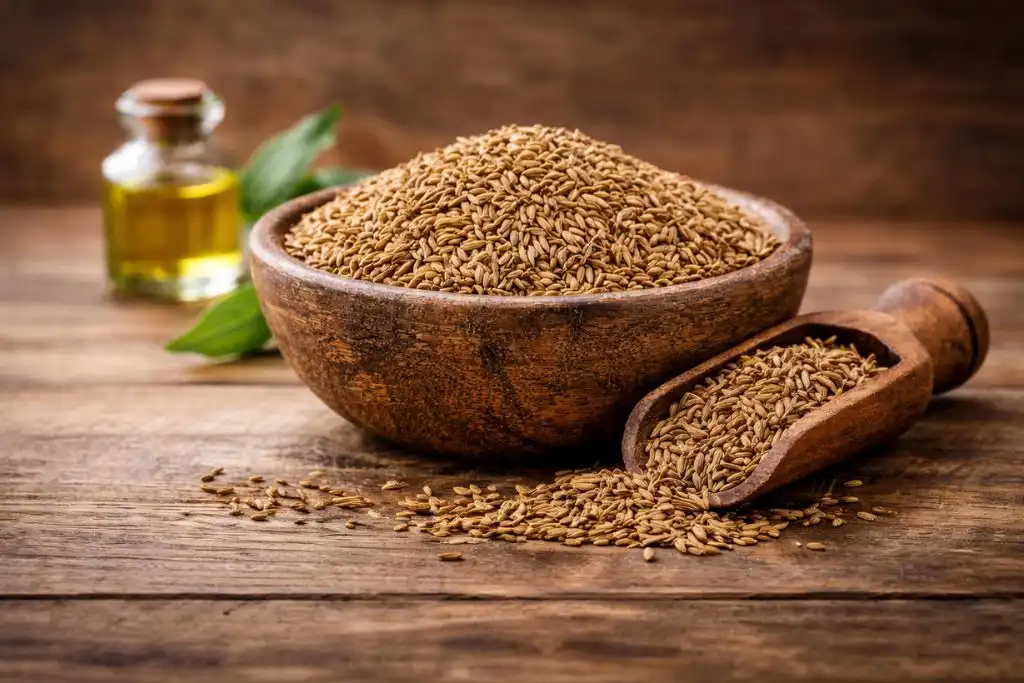

Cardamom is one of the safest spices in the world at normal culinary amounts. But at therapeutic supplement doses, and for certain groups of people, there are real safety considerations worth understanding clearly.
📋 Table of Contents
Introduction
Cardamom is one of the oldest and most widely used spices in the world. Billions of people eat it every day in chai, biryani, curries, and baked goods — without any problems. At culinary amounts, cardamom has an excellent safety record spanning thousands of years.
But as cardamom supplements become more popular for health benefits like blood pressure reduction, digestion support, and blood sugar management, more people are taking larger daily doses than they would ever get from food. And at these higher therapeutic doses, there are specific safety considerations that matter.
🛠️ Free Health Tools — BMI Calculator, Blood Sugar Risk Assessment, Water Intake Calculator & more
🔍 Browse All Free Health Tools →This article is part of our complete Cardamom series. For all 10 cardamom health benefits and the complete usage guide, see our complete guide to cardamom health benefits.
Is Cardamom Safe? The Honest Overview
Let us start with the reassuring part — because most articles on cardamom side effects are unnecessarily alarming.
✅ What Cardamom Does NOT Cause
Multiple clinical trials and the comprehensive systematic review of 14 studies confirm: cardamom does not cause liver damage at any tested dose. It does not cause kidney damage. It does not raise blood pressure — it lowers it. It does not raise blood sugar — it has a glycemic index of 0. It does not thin the blood dangerously at normal culinary amounts. It is not carcinogenic. It does not cause hormonal disruption at culinary doses. The vast majority of side effect claims circulating online about cardamom are exaggerated, poorly sourced, or refer to extremely rare cases that are not representative of normal use.
| Amount | Safety Level | Who It Applies To |
|---|---|---|
| Culinary use (pinch in food, 1–2 pods in tea) | ✅ Very safe — thousands of years of daily use | Almost everyone including pregnant women |
| Daily tea (3–5 pods per cup, 1–2 cups) | ✅ Safe for most healthy adults | Most adults — caution with gallstones |
| Supplement dose (3g/day) | ✅ Safe in clinical trials — caution with medication | Healthy adults — tell doctor if on BP/diabetes drugs |
| Very high doses (10g+ daily) | ⚠️ Not studied — not recommended | No benefit beyond 3g — no reason to exceed |
7 Side Effects of Cardamom to Know
These are the genuine, evidence-based side effects of cardamom. Most only occur at high doses or in specific groups.
Gallstone Spasms
This is the most important cardamom side effect and the least known. Cardamom stimulates bile production and bile flow — which is beneficial for digestion in healthy people. But in people who already have gallstones, this increased bile flow can trigger painful gallbladder spasms and biliary colic. The pain can be severe and acute — in the upper right abdomen, sometimes radiating to the back. If you have been diagnosed with gallstones or biliary disease, avoid large amounts of cardamom supplements and cardamom tea. Normal cooking amounts are generally fine — the dose in food is much lower than in concentrated tea or supplements.
Allergic Reactions
Cardamom belongs to the Zingiberaceae family — the same plant family as ginger, turmeric, and galangal. People with known allergies to any of these spices have a higher chance of reacting to cardamom. Reactions can range from mild skin rashes and contact dermatitis to more significant respiratory symptoms. Anaphylaxis is extremely rare but theoretically possible as with any food allergy. If you have never eaten cardamom before and have known spice allergies — start with a very small amount and monitor your response for 30–60 minutes before continuing regular use.
Blood Pressure Drop
Cardamom at therapeutic doses (3g daily) meaningfully lowers blood pressure — confirmed in an 8-trial meta-analysis. For most people with elevated blood pressure this is a benefit. But for people who already take blood pressure medication — or whose blood pressure is already at the lower end of normal — the combined effect could cause it to drop too low. Low blood pressure (hypotension) causes dizziness, lightheadedness, fatigue, and fainting. Tell your doctor before adding cardamom supplements if you take any antihypertensive medication.
Blood Sugar Drop
Cardamom improves insulin sensitivity and inhibits starch-digesting enzymes — which can lower blood sugar in people with diabetes or prediabetes. For most diabetics this is beneficial. But if you already take blood sugar medication — metformin, insulin, sulfonylureas, or GLP-1 agonists — adding cardamom supplements may cause blood sugar to drop too low (hypoglycaemia). Watch for shakiness, sweating, confusion, and lightheadedness. Monitor blood sugar more frequently when starting regular cardamom supplementation and tell your doctor.
Mild Digestive Upset at High Doses
At very high doses — significantly above the clinical 3g daily dose — cardamom can cause nausea, loose stools, or stomach cramping. This is dose-dependent and uncommon at normal supplement amounts. The irony is that cardamom relieves digestive symptoms in most people — but excess can occasionally cause the very symptoms it is taken to prevent. If you experience nausea or loose stools after starting cardamom, reduce your dose. Taking it with food rather than on an empty stomach significantly reduces this risk.
Mild Blood-Thinning Effect
Cardamom has mild natural anticoagulant properties — it slightly reduces blood clotting ability. At culinary doses this is not significant enough to cause any problem. But if you take blood-thinning medication — particularly warfarin, aspirin in high doses, heparin, or newer anticoagulants like rivaroxaban — regular high-dose cardamom supplementation may slightly enhance the anticoagulant effect. This is a low-risk interaction at normal doses but worth mentioning to your doctor if you take any anticoagulant therapy.
Possible Pregnancy Concerns at High Doses
WebMD and Natural Medicines database flag a concern that very high therapeutic doses of cardamom may pose a miscarriage risk in pregnancy. This concern is based on cardamom’s traditional use as a uterine stimulant at high doses in some cultures — not clinical trial evidence. Culinary amounts of cardamom in food are considered completely safe during pregnancy and are consumed daily by millions of pregnant women across South Asia. But if you are pregnant and considering cardamom supplements at 3g daily — discuss with your doctor first. The safe recommendation is to stick to food amounts during pregnancy.
📖 Complete Cardamom Guide
This article covers cardamom side effects and safety. For all 10 health benefits, full nutrition profile, and how to use it correctly, read our complete guide to cardamom health benefits. For safe daily methods and goal-based dosing, see our guide on how to use cardamom pods and powder safely.
Who Should Avoid High-Dose Cardamom
Most people can use cardamom freely in food and at therapeutic doses. These specific groups need to be more careful.
Cardamom Drug Interactions
Here is a clear summary of the most relevant drug interactions to be aware of when taking cardamom regularly at therapeutic doses.
| Medication Type | Interaction | Risk Level | What to Do |
|---|---|---|---|
| Blood pressure medications (ACE inhibitors, beta-blockers, calcium channel blockers) | Additive blood pressure-lowering effect | 🟡 Moderate | Monitor BP regularly. Tell your doctor before starting cardamom supplements. |
| Diabetes medication (metformin, insulin, sulfonylureas) | Additive blood sugar-lowering — hypoglycaemia risk | 🟡 Moderate | Monitor blood sugar frequently. Tell your doctor. |
| Warfarin and anticoagulants | Mild additive blood-thinning effect | 🟢 Low at culinary doses | Tell your doctor. Monitor INR if on warfarin. |
| Thyroid medication (levothyroxine) | May affect absorption if taken at same time | 🟢 Low | Take cardamom at a different time of day from thyroid medication. |
| Immunosuppressants | Cardamom’s immune effects may interfere | 🟡 Moderate | Seek medical advice before using therapeutically. |
| Aspirin (high dose) | Mild additive antiplatelet effect | 🟢 Low at culinary doses | Culinary amounts fine. High-dose supplements — mention to doctor. |
⚠️ General rule: If you take any regular prescription medication — tell your doctor or pharmacist before starting cardamom supplements at 3g per day. Culinary amounts of cardamom in food are unlikely to cause any significant drug interaction. The risk comes from consistent high therapeutic doses. One quick conversation with your doctor eliminates almost all interaction risk.
Cardamom During Pregnancy and Breastfeeding
| Situation | Amount | Safety | Recommendation |
|---|---|---|---|
| Pregnancy — food amounts | Pinch in cooking, 1 pod in chai | ✅ Safe | Continue normal culinary use — widely eaten throughout pregnancy across South Asia |
| Pregnancy — supplement dose | 3g+/day capsules or strong tea | ⚠️ Caution | Discuss with your doctor first — possible uterine stimulant concern at high doses |
| Breastfeeding — food amounts | Normal culinary use | ✅ Safe | Continue normal cooking use without concern |
| Breastfeeding — supplements | 3g+/day | 🟡 Limited data | No known harm — but tell your doctor or midwife before starting |
| First trimester — any amount | Any | ✅ Safe in food | Culinary use is fine — avoid therapeutic supplement doses without medical guidance |
What Happens If You Eat Too Much Cardamom
Cardamom does not have a known toxic dose in humans. No clinical trial or safety review has identified an amount of cardamom that causes acute toxicity in healthy adults. But excessive amounts cause real discomfort.
| Daily Amount | What to Expect | Safety |
|---|---|---|
| Culinary pinch (0.5–1g) | Full flavour and nutrition benefit — no side effects | ✅ Optimal for most people |
| Supplement dose (3g/day) | Clinical therapeutic benefits — well tolerated in trials | ✅ Safe — best evidence level |
| High culinary use (5–6g/day) | May start to cause nausea or stomach discomfort in sensitive people | 🟡 Caution — more than needed |
| Very high (10g+ per day) | Nausea, loose stools, stomach cramping likely — blood pressure and blood sugar effects amplified | ⚠️ Not recommended — no added benefit |
🌿 Is Cardamom right for you? Type it in our free Herb & Tea Benefit Finder — get benefits, safety notes, dosage, and who should avoid it instantly.
🔍 Try the Herb & Tea Benefit Finder →How to Use Cardamom Safely Every Day
Following these four simple rules eliminates most side effect risks completely.
💡 The simplest safety rule: If you use cardamom in cooking and drink 1–2 cups of cardamom tea daily — you are well within safe limits and getting real health benefits. The only people who need to be careful are those with gallstones, those on blood pressure or diabetes medication, and pregnant women taking concentrated supplements. For everyone else — cardamom is one of the safest daily health habits available.
Conclusion
Cardamom has an excellent safety record. Billions of people use it daily in their food without any problems. At therapeutic doses of 3g per day — the amount studied in clinical trials — it is well tolerated by healthy adults with no significant adverse effects reported.
The three situations that require genuine caution are gallstones, pregnancy supplementation, and combining high-dose cardamom with blood pressure or diabetes medication. Outside of these situations, cardamom is one of the safest spices you can add to your daily routine.
Use it generously in cooking. Drink 1–2 cups of cardamom tea daily. If you want therapeutic doses for blood pressure or blood sugar management — tell your doctor and start at the lower end of the dose range. That is the complete, honest safety guide for cardamom.
Try Our Free Herb & Tea Benefit Finder
Type Cardamom or any herb to instantly see its benefits, how to use it, and who should be careful.
🔍 Open the Herb & Tea Benefit Finder →Frequently Asked Questions
The main side effects of cardamom are gallbladder spasms in people with gallstones, allergic reactions in people sensitive to ginger-family spices, blood pressure drop when combined with antihypertensive medication, blood sugar drop when combined with diabetes medication, mild digestive upset at very high doses, and a mild blood-thinning effect that may interact with anticoagulants. At normal culinary amounts, most people experience no side effects at all.
Yes — for most healthy adults, daily cardamom use in food and tea is completely safe. Cardamom has been eaten daily across South Asia and the Middle East for thousands of years without known harm. Clinical trials confirm it is well tolerated at 3g daily for up to 12 weeks. People with gallstones, pregnant women taking supplements, and people on blood pressure or diabetes medication should be more careful at higher doses.
For most healthy women, cardamom is completely safe at all normal amounts. Specific female concerns include: pregnant women should avoid therapeutic supplement doses (3g+/day) due to a theoretical uterine stimulant concern — culinary amounts in food are fine. Women on thyroid medication should take cardamom at a different time of day. Women with hormone-sensitive conditions should mention cardamom supplementation to their doctor. Breastfeeding women can use normal culinary amounts freely.
Yes — this is cardamom’s most important safety concern. Cardamom stimulates bile production and flow — which is beneficial for normal digestion but can trigger painful gallbladder spasms in people who already have gallstones. If you have been diagnosed with gallstones or biliary disease, avoid cardamom tea and supplements at therapeutic doses. Normal small amounts used in cooking are generally fine as the dose is much lower than in concentrated preparations.
Cardamom in normal food amounts is safe during pregnancy and is consumed daily by millions of pregnant women across South Asia without reported problems. Therapeutic supplement doses of 3g or more per day have not been adequately studied in pregnancy and WebMD flags a possible concern about uterine stimulation at very high doses. The safe recommendation is to stick to culinary amounts during pregnancy and discuss supplements with your doctor before starting.
Yes — cardamom lowers blood pressure. If you take antihypertensive medication, both together could lower your blood pressure further than intended — causing dizziness, lightheadedness, or fainting from low blood pressure. This is not dangerous if monitored — but you need to tell your doctor you are adding regular cardamom supplements, monitor your readings more frequently when starting, and watch for symptoms of low blood pressure.
Cardamom allergy is possible but uncommon. It belongs to the Zingiberaceae family — the same family as ginger, turmeric, and galangal — so people with known allergies to these spices have a higher risk of reacting to cardamom. Reactions can range from mild skin rashes to respiratory symptoms. Anaphylaxis is extremely rare. If you have spice allergies and have never eaten cardamom before — start with a small amount and monitor for 30–60 minutes before making it a regular habit.
Cardamom has no known acute toxic dose in humans. Eating very large amounts above the 3g clinical dose may cause nausea, loose stools, stomach cramping, and amplified blood pressure and blood sugar-lowering effects. There is no therapeutic benefit above 3g daily — more does not mean more benefit. Stick to the clinical dose range and you get all the health benefits with minimal side effect risk.