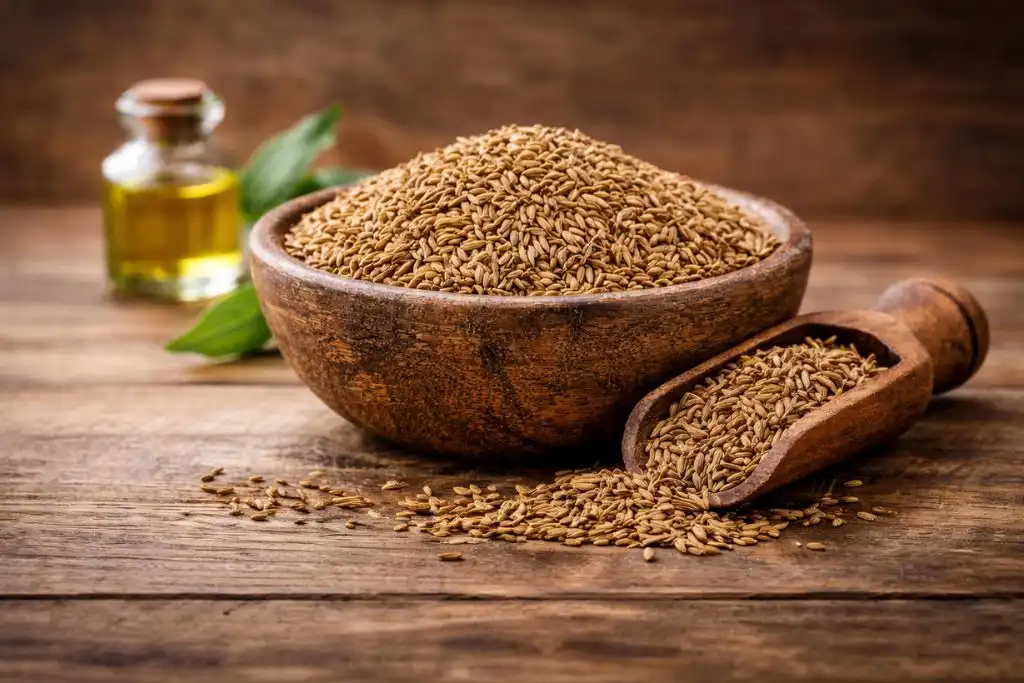

Cardamom is one of the most aromatic spices in the world — and one of the most medicinally powerful. Clinical research now confirms many of its ancient traditional uses.
📋 Table of Contents
Introduction
Cardamom is often called the “Queen of Spices.” It has been used in cooking and medicine across India, the Middle East, and Scandinavia for thousands of years. Most people know it as the fragrant spice in chai tea and biryani. But cardamom is far more than a flavour enhancer.
Clinical research now confirms that cardamom lowers blood pressure, fights inflammation, supports digestion, freshens breath, and may even help regulate blood sugar. A 2026 clinical review found that 3g per day significantly reduces LDL cholesterol and lowers systolic blood pressure — results that rival some pharmaceutical interventions.
🛠️ Free Health Tools — Blood Sugar Risk Assessment, BMI Calculator, Water Intake Calculator & more
🔍 Browse All Free Health Tools →In this guide you will learn exactly what cardamom does for your health, what the research says, and how to use it daily. Everything is based on real clinical evidence — not marketing claims.
What Is Cardamom?
Cardamom is a spice made from the seed pods of plants in the ginger family (Zingiberaceae). It comes in two main types — green and black — each with a distinct flavour and slightly different uses.
Green cardamom (Elettaria cardamomum) is the most common type. It has a sweet, floral, slightly minty flavour. It is used in chai tea, desserts, rice dishes, and coffee. It is also the type most studied for health benefits.
Black cardamom (Amomum subulatum) has a smoky, earthy, camphor-like flavour. It is used mainly in savoury dishes and rice. It is native to the eastern Himalayas and is common in Indian and Pakistani cooking.
| Language / Origin | Name for Cardamom |
|---|---|
| English | Cardamom / Green Cardamom / Queen of Spices |
| Sanskrit / Ayurvedic | Ela / Sukshamaila |
| Chinese | 豆蔻 (Dòukòu) |
| Arabic | Hail / Hal (هيل) |
| French | Cardamome |
| Spanish | Cardamomo |
| Greek | Kardamomon |
| Botanical / Latin | Elettaria cardamomum (green) / Amomum subulatum (black) |
| Hindi / Urdu | Elaichi (green) / Badi Elaichi (black) |
Nutrition & Active Compounds
Cardamom seeds contain a rich mix of essential oils, antioxidants, and minerals. The health benefits come mainly from its essential oil compounds — particularly 1,8-cineole, which is the most studied bioactive in cardamom.
| Nutrient / Compound | Per 1 tsp ground (2g) | Key Benefit |
|---|---|---|
| Calories | 6 kcal | Very low calorie spice |
| Fibre | 0.4g | Digestive support |
| Manganese | 25% DV | Antioxidant enzyme support |
| Iron | 5% DV | Energy, blood health |
| Zinc | 3% DV | Immunity, wound healing |
| 1,8-Cineole (eucalyptol) | Present | Anti-inflammatory, respiratory, antimicrobial |
| α-Terpinyl acetate | Present | Antioxidant, anti-inflammatory, aroma |
| Limonene | Present | Anti-inflammatory, digestive, anti-cancer potential |
| Quercetin | Present | Antioxidant, anti-inflammatory |
| Kaempferol | Present | Antioxidant, heart health |
🔬 What Makes Cardamom So Powerful
1,8-Cineole is the most studied compound in cardamom. It is the same compound found in eucalyptus oil — known for its anti-inflammatory, antiviral, and bronchodilating properties. α-Terpinyl acetate gives cardamom its distinctive sweet aroma and contributes to its antioxidant effects. Together these essential oil compounds are responsible for cardamom’s blood pressure, inflammation, digestive, and antimicrobial benefits. A 2026 review found nanoencapsulation of cardamom bioactives increased α-terpinyl acetate absorption by 4.2 times — explaining why supplement doses produce stronger effects than culinary use alone.
10 Health Benefits of Cardamom
Here are the top research-backed benefits of cardamom. We are honest about where the evidence is strong and where more research is still needed.
Lowers Blood Pressure
A 2023 meta-analysis of 8 randomised clinical trials confirmed that cardamom significantly reduces both systolic and diastolic blood pressure. A 2026 clinical review confirmed 3g per day reduced systolic blood pressure by 8.2 mmHg — a clinically meaningful reduction. Cardamom appears to work as a natural diuretic — helping the kidneys remove excess sodium and water. Its antioxidant properties also protect blood vessel walls from oxidative damage. For the complete clinical evidence, see our guide on does cardamom lower blood pressure naturally and how fast it works.
Reduces Inflammation
The same 2023 meta-analysis confirmed cardamom significantly reduced multiple inflammatory markers — including CRP, TNF-α, and IL-6. These are the same markers linked to heart disease, diabetes, and chronic pain. 1,8-Cineole and limonene are the main anti-inflammatory compounds. They work by blocking the same inflammatory pathways targeted by ibuprofen — but naturally and without the digestive side effects of long-term NSAID use.
Supports Digestion and Relieves Bloating
Cardamom has been used as a digestive remedy across South Asia, the Middle East, and Scandinavia for thousands of years — and research now confirms why. It stimulates the secretion of digestive enzymes, speeds gastric emptying, and reduces gas and bloating through its carminative properties. A 2026 clinical review found 3g daily alleviated dyspepsia symptoms in 50% of participants. For the full guide on using cardamom for digestive issues, see our article on how cardamom relieves bloating, gas, and indigestion naturally.
Freshens Breath and Protects Oral Health
Cardamom is one of the most effective natural breath fresheners available. Research shows cardamom extract reduces bacteria in saliva samples by up to 54%. It kills the most common oral bacteria that cause bad breath and cavities — including Streptococcus mutans. This is why cardamom pods are chewed after meals across South Asia and the Middle East. Unlike mint-flavoured products that simply mask odour, cardamom actually eliminates the bacteria causing the problem.
May Help Regulate Blood Sugar
A 2026 clinical review found that cardamom supplementation improves glycaemic control — specifically improving HbA1c and HOMA-IR (a measure of insulin resistance). A clinical trial in women with obesity and prediabetes found cardamom significantly reduced LDL cholesterol and improved metabolic markers over 2 months. The compounds responsible appear to be quercetin and cardamom’s anti-inflammatory agents, which improve insulin sensitivity. For the full evidence, see our guide on how cardamom helps blood sugar control and insulin resistance.
Improves Cholesterol
A 2026 clinical review confirmed that 3g of cardamom per day significantly reduces LDL cholesterol by 18–22% and lowers total cholesterol — while protecting HDL (good) cholesterol levels. A randomised trial in women with obesity and prediabetes confirmed these effects over 2 months. Cardamom’s fibre content binds to bile acids in the gut, reducing cholesterol reabsorption. Combined with its anti-inflammatory effect on blood vessel walls, this makes cardamom one of the most promising natural spices for cardiovascular health.
Supports Respiratory Health
1,8-Cineole — cardamom’s primary bioactive compound — is a well-established bronchodilator. It relaxes airway smooth muscle, making breathing easier. Research published in the Journal of Pharmacy and Pharmacology confirmed 1,8-cineole induces relaxation in airway smooth muscle tissue. Traditional medicine across South Asia has used cardamom for centuries to treat bronchitis, cough, and congestion. This respiratory benefit is one of the most well-supported mechanisms in the cardamom literature.
Has Antioxidant Properties
Cardamom is rich in plant antioxidants — including quercetin, kaempferol, and phenolic acids. These neutralise free radicals that damage your cells and accelerate aging. Cardamom’s DPPH radical scavenging activity is comparable to vitamin C in some studies. Regular use of cardamom in your diet — even in culinary amounts — provides meaningful antioxidant protection that adds up over time. Its antioxidant content also explains many of its anti-inflammatory and cardiovascular protective effects.
Has Antimicrobial Properties
Cardamom extracts and essential oils have been shown to fight several common strains of bacteria and fungi — including Candida yeast infections and drug-resistant E. coli. Research from 2025 confirmed cardamom pod extracts inhibited the growth of E. coli, Staphylococcus aureus, Klebsiella pneumoniae, and Pseudomonas at meaningful concentrations. A 2025 laboratory study also found cardamom seed extract demonstrated significant antiviral action by activating cellular sensors that detect virus-derived DNA and RNA inside human cells.
May Support Liver Health
Animal studies show cardamom extract may protect the liver from damage caused by high-fat diets and toxins. It reduces liver enzyme levels that indicate liver stress, and its antioxidant compounds reduce lipid peroxidation in liver tissue. Human evidence is limited but the mechanism is well-established in animal models. Traditional medicine has used cardamom as a liver tonic for centuries across Ayurvedic and Unani systems. More clinical trials are needed to confirm these effects in humans.
📊 Honest note on evidence: Blood pressure and inflammation reduction have the strongest clinical evidence from meta-analyses of multiple trials. Cholesterol, blood sugar, and digestive benefits are supported by individual clinical trials. Oral health, respiratory, and antimicrobial benefits are well established in lab and some human studies. Liver health evidence is mainly animal studies. All benefits are stronger with supplement doses (1–3g daily) than with normal culinary use.
Cardamom in Traditional Medicine
Cardamom has been used in medicine for over 4,000 years. It is one of the most versatile spices in the ancient world — used not just as a flavour but as a genuine medicine across multiple medical traditions.
| Tradition | How Used | Traditional Purpose |
|---|---|---|
| Ayurveda (India) | Seeds, pods, powder in food and decoctions | Digestion, respiratory health, detoxification, oral health, urinary disorders |
| Unani (Greco-Arab) | Seed decoction, powder in honey | Digestive weakness, heart palpitations, bad breath, kidney support |
| Middle Eastern medicine | Arabic coffee with cardamom (qahwa) | Digestion, energy, mental clarity, socialising |
| Scandinavian folk medicine | Baked into breads and pastries | Digestive support, warming in cold climates |
| Traditional Chinese Medicine | Seed pods in herbal formulas | Digestive cold, nausea, morning sickness, abdominal pain |
📊 2026 Clinical Review — Key Findings
A 2026 review published in the New Zealand Journal of Crop and Horticultural Science synthesised clinical evidence for cardamom supplementation at 3g per day. Key confirmed findings: LDL cholesterol reduced by 18–22%, systolic blood pressure reduced by 8.2 mmHg, HbA1c and HOMA-IR improved (glycaemic control), and dyspepsia symptoms reduced in 50% of participants. These are meaningful, clinically significant improvements — not marginal trends. The review also confirmed nanoencapsulation dramatically improves bioavailability of cardamom’s active compounds.
How to Use Cardamom
Cardamom is one of the most versatile spices in the world. You can use the whole pods, the seeds, ground powder, or make a tea. For a complete guide on the difference between pods and powder, when to use each form, and the best recipes, see our article on how to use cardamom pods and powder for maximum health benefits.
| Form | How to Use | Best For |
|---|---|---|
| Whole pods | Add to rice, biryani, curries, soups — remove before eating | Cooking — slow flavour release |
| Ground powder ⭐ | Add to tea, coffee, smoothies, baked goods, spice blends | Daily use — most convenient |
| Cardamom tea | Simmer 3–4 pods or ¼ tsp powder in 300ml water for 5–10 min | Digestion, blood pressure, daily health habit |
| Chew seeds after meals | Open a pod and chew the seeds for 1–2 minutes | Oral health, breath, digestion after eating |
| Capsules (supplement) | 500mg–1g per day with meals | Blood pressure, blood sugar, inflammation |
| In coffee (qahwa style) | Add a crushed pod or pinch of powder to ground coffee | Middle Eastern tradition — digestion and flavour |
🍵 Simple Cardamom Chai — Daily Health Drink
- 1Add 300ml of water to a small pot over medium heat.
- 2Crush 3–4 green cardamom pods with the back of a spoon and add to the water.
- 3Add a small piece of fresh ginger (optional) and a cinnamon stick.
- 4Simmer on low heat for 8–10 minutes until fragrant.
- 5Strain into a cup. Add a splash of milk and honey to taste.
- 6Drink 1–2 cups daily — morning or after meals for digestive support.
🌿 How should you use Cardamom? Type it in our free Herb & Tea Benefit Finder — get preparation method, timing, dosage, and safety notes instantly.
🔍 Try the Herb & Tea Benefit Finder →Dosage Guide
There is no official recommended dose for cardamom. Most clinical studies have used 1–3g of ground cardamom powder per day. Culinary use provides much smaller amounts than supplement doses.
💡 Important: Using cardamom as a spice in normal cooking amounts is safe and beneficial for everyone. The clinical benefits for blood pressure, cholesterol, and blood sugar require supplement doses of 1–3g daily — significantly more than most people get from food alone. Capsule supplements provide the most consistent doses for therapeutic use.
Side Effects & Safety
Cardamom is one of the safest spices in the world when used in normal culinary amounts. At higher supplement doses, there are a few things to be aware of. For the complete safety guide including drug interactions and who should avoid high doses, see our full guide to cardamom side effects and safety warnings.
💊 Who Should Be Careful With Cardamom Supplements
People with gallstones — cardamom can trigger painful gallstone spasms. Culinary amounts are generally fine but avoid supplements if you have gallstones. People on blood pressure medication — cardamom lowers blood pressure. Combined with medication, this could drop it too low. Tell your doctor if you plan to take cardamom supplements regularly. People on diabetes medication — cardamom improves insulin sensitivity and lowers blood sugar. Monitor carefully when combining with medication. Pregnant women — cardamom in food is safe and widely eaten during pregnancy across South Asia. High supplement doses have not been adequately studied in pregnancy — stick to culinary use.
Conclusion
Cardamom is far more than a spice. Clinical research confirms it lowers blood pressure, reduces inflammation, improves cholesterol, supports digestion, freshens breath, and helps regulate blood sugar. The 2026 clinical review showing 18–22% LDL reduction at 3g daily is one of the most impressive findings for any culinary spice.
The best way to start is simply to use it more in your daily cooking. Add it to your morning tea or coffee. Chew a few seeds after meals. These small habits add up over time — and if you want therapeutic benefits, a supplement at 1–3g daily is the most reliable approach.
One of the easiest and most enjoyable ways to get cardamom into your daily routine is through tea. See our complete guide on cardamom tea benefits for digestion, blood pressure, and daily health for recipes, timing, and what each cup does for your body.
Try Our Free Herb & Tea Benefit Finder
Type Cardamom or any herb to instantly see its benefits, how to use it, and who should be careful.
🔍 Open the Herb & Tea Benefit Finder →Frequently Asked Questions
Cardamom is well supported by research for lowering blood pressure, reducing inflammation, improving cholesterol, freshening breath, supporting digestion, and helping regulate blood sugar. It also has antimicrobial and antioxidant properties. Clinical evidence is strongest for blood pressure reduction and anti-inflammatory effects.
For general health — using cardamom daily in cooking, tea, or coffee provides small but cumulative benefits. For therapeutic effects like blood pressure and cholesterol reduction, most clinical studies used 1–3g per day — roughly half a teaspoon to one teaspoon of ground powder. Start with smaller culinary amounts and consider supplements if you want consistent higher doses.
Yes — a 2023 meta-analysis of 8 randomised clinical trials confirmed cardamom significantly reduces both systolic and diastolic blood pressure. A 2026 clinical review confirmed a reduction of 8.2 mmHg in systolic pressure at 3g daily. If you take blood pressure medication, tell your doctor before adding cardamom supplements as the combined effect could lower your blood pressure too far.
Yes — cardamom stimulates digestive enzyme production, speeds gastric emptying, and reduces gas and bloating through its carminative properties. A 2026 clinical review found 3g daily reduced dyspepsia symptoms in 50% of participants. Chewing a few cardamom seeds after meals is one of the simplest and most effective natural remedies for post-meal bloating and indigestion.
Green cardamom has a sweet, floral, slightly minty flavour and is used in desserts, chai, and rice dishes. It is also the most studied for health benefits. Black cardamom has a smoky, earthy, camphor-like flavour and is used mainly in savoury dishes. Black cardamom is native to the eastern Himalayas and is common in biryani and slow-cooked meat dishes. For health benefits, green cardamom is the type used in clinical research.
Yes — research shows cardamom extract reduces bacteria in saliva by up to 54%. It kills Streptococcus mutans and other oral bacteria that cause bad breath and cavities. Unlike mint-based breath fresheners that only mask odour, cardamom eliminates the bacteria causing the problem. Chewing 2–3 cardamom seeds after meals is a traditional and clinically supported remedy for bad breath.
Cardamom in normal culinary amounts is considered safe during pregnancy and is widely eaten across South Asian cooking without issue. High therapeutic doses from supplements have not been adequately studied in pregnant women. Stick to using cardamom as a spice in food and tea during pregnancy rather than taking concentrated supplements unless advised by your doctor.
Early research suggests yes. A 2026 clinical review found cardamom at 3g daily improved HbA1c and HOMA-IR — markers of blood sugar control and insulin resistance. A clinical trial in women with obesity and prediabetes found significant improvements in metabolic markers over 2 months. If you take diabetes medication, discuss with your doctor before adding cardamom supplements as it may lower blood sugar further.
Yes — cardamom tea is safe for daily use at normal culinary strength (2–4 pods or ¼ tsp powder per cup). It supports digestion, freshens breath, provides antioxidants, and contributes to your daily cardamom intake. People with gallstones should be cautious with large amounts. People on blood pressure or diabetes medication should monitor their levels when drinking cardamom tea regularly.
Green cardamom has a unique flavour that is warm, sweet, floral, slightly minty, and mildly spicy all at once. It is one of the most complex spice flavours in the world. When added to tea or coffee it gives a fragrant, slightly sweet warmth. When used in cooking it adds depth and a distinctive aroma. Most people find it pleasant — which is one reason cardamom is one of the easiest health-supporting spices to use every day.