Fenugreek is one of the most versatile medicinal herbs in the world — used for blood sugar, testosterone, breastfeeding, digestion, and much more. Research now confirms many of its traditional uses.
📋 Table of Contents
Introduction
Fenugreek is one of the oldest medicinal plants in the world. It has been used in Ayurvedic, Unani, and traditional Chinese medicine for thousands of years — for everything from blood sugar and digestion to testosterone and breastfeeding support.
Today, clinical research is catching up with tradition. Studies confirm fenugreek genuinely lowers blood sugar, raises testosterone in men, supports women with PCOS, aids digestion, and provides impressive nutritional value. A 2025 consolidated clinical review confirmed meaningful results for Type 2 diabetes, PCOS, and testosterone deficiency.
🛠️ Free Health Tools — BMI Calculator, Blood Sugar Risk Assessment, Water Intake Calculator & more
🔍 Browse All Free Health Tools →This complete guide covers fenugreek’s 10 key benefits, nutrition profile, active compounds, traditional uses, how to use it, dosage, and safety. Whether you know it as fenugreek, methi, or hilba — this is everything you need to know.
What Is Fenugreek?
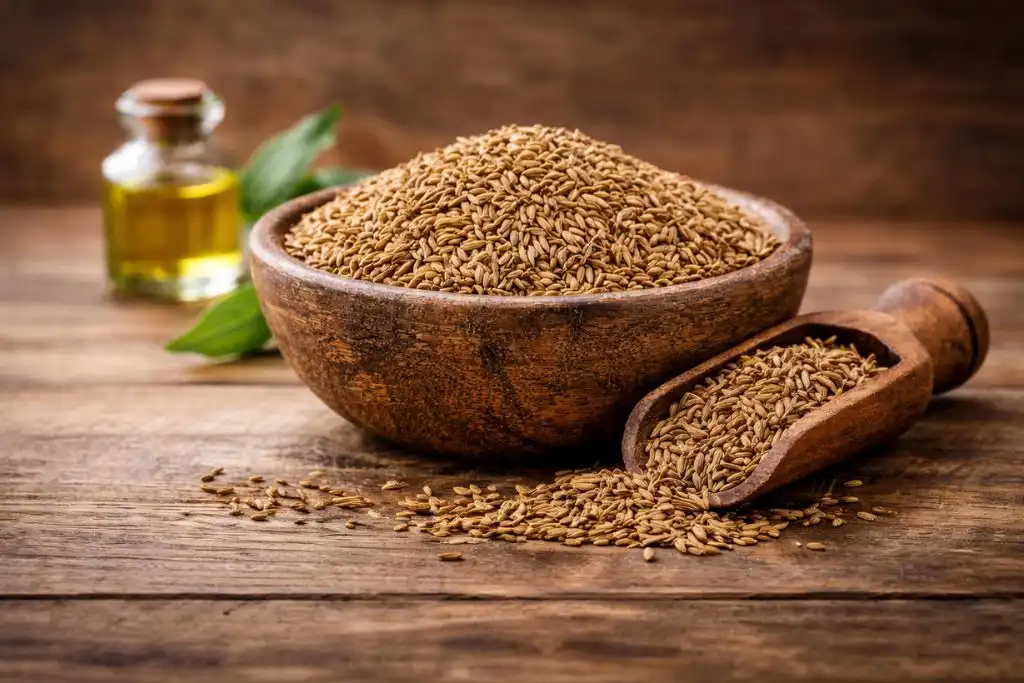
Fenugreek (Trigonella foenum-graecum) is a small annual plant in the legume family. It grows to about 60–90cm tall and has small white flowers and pods containing golden-brown seeds. Both the seeds and leaves are used in cooking and medicine.
It originated in the Indian subcontinent and Eastern Mediterranean — and remains one of the most important culinary and medicinal herbs across South Asia, the Middle East, and North Africa. The seeds have a distinctive slightly bitter, nutty, maple-syrup-like flavour that makes fenugreek instantly recognisable.
🌱 Quick Plant Facts
Botanical name: Trigonella foenum-graecum · Family: Leguminosae (legume) · Native to: Indian subcontinent, Eastern Mediterranean · Parts used: Seeds (primary), fresh leaves, dried leaves (kasuri methi) · Key compounds: 4-hydroxyisoleucine, diosgenin, trigonelline, saponins, galactomannan fibre · Classification: Herb, spice, and medicinal plant
Fenugreek Names Around the World
| Language / Region | Name | Notes |
|---|---|---|
| English | Fenugreek | From Latin “foenum-graecum” meaning Greek hay |
| Sanskrit / Ayurvedic | Medhika / Vastika | Used in Ayurveda as a digestive and reproductive tonic |
| Arabic | Hilba (حلبة) | Widely used in Middle Eastern cooking and medicine |
| Chinese | Hu lu ba (葫芦巴) | Used in Traditional Chinese Medicine for kidney support |
| French | Fenugrec | Used in French herbal medicine |
| Spanish | Alholva | Used in Spanish natural medicine |
| Greek | Trigonella | Refers to triangular-shaped flowers |
| Botanical / Latin | Trigonella foenum-graecum | Look for this name on supplement labels |
| Hindi / Urdu | Methi / Methi dana | One of the most common herbs in South Asian cooking |
Nutrition Facts
Fenugreek seeds are remarkably nutritious. They are one of the few herbs that provide meaningful amounts of protein, fibre, and iron all in one serving.
| Nutrient | Per 1 tablespoon (11g) seeds | Per 100g |
|---|---|---|
| Calories | 35 kcal | 323 kcal |
| Protein | 2.5g | 23g |
| Carbohydrates | 6g | 58g |
| Dietary fibre | 2.7g | 25g |
| Fat | 0.7g | 6.4g |
| Iron | 3.7mg (21% DV) | 34mg |
| Magnesium | 21mg (5% DV) | 191mg |
| Manganese | 0.06mg (3% DV) | 1.2mg |
| Vitamin B6 | Trace | 0.6mg |
💡 Notable: Fenugreek is one of the best plant sources of iron — one tablespoon provides 21% of your daily iron needs. This makes it particularly valuable for women with iron deficiency and vegetarians. Its high fibre content (25g per 100g) is also central to many of its blood sugar and digestive benefits.
Key Active Compounds
| Compound | What It Does |
|---|---|
| 4-Hydroxyisoleucine | Unique amino acid — directly stimulates insulin secretion and improves insulin sensitivity |
| Diosgenin | Plant steroid compound — supports hormone balance, may inhibit excess androgen in PCOS |
| Trigonelline | Alkaloid — anti-diabetic properties, supports nerve health, contributes to fenugreek’s aroma |
| Galactomannan fibre | Soluble fibre — slows digestion, reduces post-meal blood sugar spikes, improves gut health |
| Saponins | Anti-inflammatory, supports testosterone production, cholesterol management |
| Protodioscin | Saponin — supports testosterone and libido in men |
🔬 Why Fenugreek Is Unique
4-Hydroxyisoleucine is found almost exclusively in fenugreek — it is not present in significant amounts in any other common food. This compound directly tells the pancreas to release more insulin when blood sugar is high — a mechanism similar to how some diabetes medications work, but gentler and plant-based. This is why fenugreek’s blood sugar benefits are among its most consistently proven effects.
10 Proven Benefits of Fenugreek
Lowers Blood Sugar
This is fenugreek’s most researched benefit. A 2023 systematic review and meta-analysis found fenugreek significantly reduced fasting blood glucose and improved HbA1c in people with Type 2 diabetes. The galactomannan fibre slows sugar absorption while 4-hydroxyisoleucine directly stimulates insulin release — a dual action that makes fenugreek particularly effective. For the complete clinical evidence and dosing guide, read our article on how fenugreek lowers blood sugar naturally in type 2 diabetes and prediabetes.
Raises Testosterone in Men
A 2025 consolidated clinical review confirmed that fenugreek extract raised total and free testosterone levels and improved sexual function in men. Multiple randomised controlled trials support this — including a well-designed study showing fenugreek improved libido and energy in healthy men over 12 weeks. Saponins — particularly protodioscin — support the hormonal pathway that produces testosterone. See our full guide on does fenugreek really boost testosterone levels in men over 35.
Supports Women with PCOS
A randomised, double-blind, placebo-controlled study found Furocyst (fenugreek seed extract) at 500mg twice daily for 3 months produced significant improvements in ovarian cyst size and menstrual regularity in women with PCOS. Fenugreek helps PCOS by improving insulin sensitivity, reducing excess testosterone in women, and supporting more regular ovulation. Read our detailed guide on how fenugreek helps PCOS hormones and ovarian cysts in women.
Supports Breastmilk Production
Fenugreek is one of the most widely used galactagogues worldwide. Research shows fenugreek may increase breastmilk production in nursing mothers — though evidence is mixed and newer reviews suggest individual results vary significantly. The NIH LactMed database (updated March 2026) confirms it appears safe for infants at normal doses. A typical dose used in studies is 1,725mg three times daily. Always discuss with your midwife or doctor before starting.
Supports Digestion
Fenugreek’s high galactomannan fibre content acts as a prebiotic — feeding beneficial gut bacteria and supporting healthy digestion. Studies have found fenugreek reduces heartburn, improves gastric motility, and relieves constipation. A clinical study found that a fenugreek fibre product significantly reduced heartburn symptoms compared to placebo. This supports its long traditional use across South Asian medicine as a digestive herb — eaten after meals to reduce bloating and heaviness.
Improves Cholesterol
Multiple studies have found fenugreek reduces LDL (bad) cholesterol and triglycerides while maintaining or improving HDL (good) cholesterol. The galactomannan fibre binds to bile acids in the gut — reducing cholesterol reabsorption. This cholesterol benefit works synergistically with fenugreek’s blood sugar effects — making it particularly useful for people with metabolic syndrome, where both blood sugar and cholesterol tend to be elevated together.
Supports Weight Management
Fenugreek’s soluble fibre swells in the stomach — keeping you fuller for longer and reducing total calorie intake naturally. Chlorogenic acid stabilises blood sugar, which reduces the energy crashes and cravings that drive overeating. Research found fenugreek reduced appetite by 12% in one study. See our honest evidence guide on whether fenugreek seeds actually help with weight loss and appetite control.
Anti-Inflammatory Properties
Fenugreek contains multiple anti-inflammatory compounds including saponins and flavonoids. Research confirms meaningful anti-inflammatory activity — relevant for conditions driven by chronic inflammation including arthritis, PCOS, and metabolic syndrome. Traditional medicine across South Asia has used fenugreek poultices topically for joint inflammation and pain for centuries. Modern research supports both internal and external anti-inflammatory use.
Supports Muscle Strength
A pilot RCT found that fenugreek glycoside supplementation in men during resistance training significantly improved upper and lower body strength compared to placebo. This benefit is likely linked to fenugreek’s testosterone-supporting and anti-inflammatory effects. While the evidence is less extensive than for ashwagandha, fenugreek is a promising natural supplement for men who train regularly — particularly when taken alongside a structured exercise programme.
Supports Women’s Hormonal Health
Beyond PCOS, fenugreek has been studied for broader women’s hormonal health — including menstrual pain, menopausal symptoms, and PMS. A randomised study found fenugreek seed powder significantly reduced dysmenorrhea severity and duration compared to placebo. Diosgenin in fenugreek supports estrogen-related pathways — making it one of the few herbs with evidence across multiple women’s health concerns.
📊 Honest note on evidence: Blood sugar control and testosterone support have the strongest clinical evidence. PCOS, cholesterol, and digestive benefits are well supported. Breastmilk production evidence is mixed but overall positive. All benefits require consistent daily use for at least 4–8 weeks to see meaningful results.
Traditional Uses
| Tradition | How Used | Purpose |
|---|---|---|
| Ayurveda (India) | Seeds soaked overnight, leaves as vegetable, seed powder in food | Digestion, diabetes, postpartum recovery, lactation, joint pain |
| Unani (Greco-Arab) | Seed decoction, seed powder in warm water | Blood sugar, digestive health, uterine health, respiratory issues |
| Traditional Chinese Medicine | Seed powder | Kidney support, digestive warmth, cold and flu |
| Middle Eastern (Hilba) | Whole seeds, fenugreek tea, fenugreek paste | Postpartum recovery, lactation, blood sugar, digestion |
| South Asian cooking | Methi leaves (fresh/dried), seeds in curry, methi paratha | Daily culinary use — digestive health, blood sugar management |
📊 Clinical Study — 2025 Consolidated Review
A 2025 consolidated clinical review published in medtigo Journal of Pharmacology analysed multiple randomised controlled trials across three conditions. In Type 2 diabetes: 114 patients taking 25mg fenugreek seed powder twice daily for 30 days showed significant improvements in fasting blood glucose. In PCOS: 50 women taking Furocyst 500mg twice daily for 3 months showed significant reductions in ovarian cyst size and improved menstrual regularity. In men: fenugreek extract raised total and free testosterone levels and improved sexual function over 12 weeks.
How to Use Fenugreek
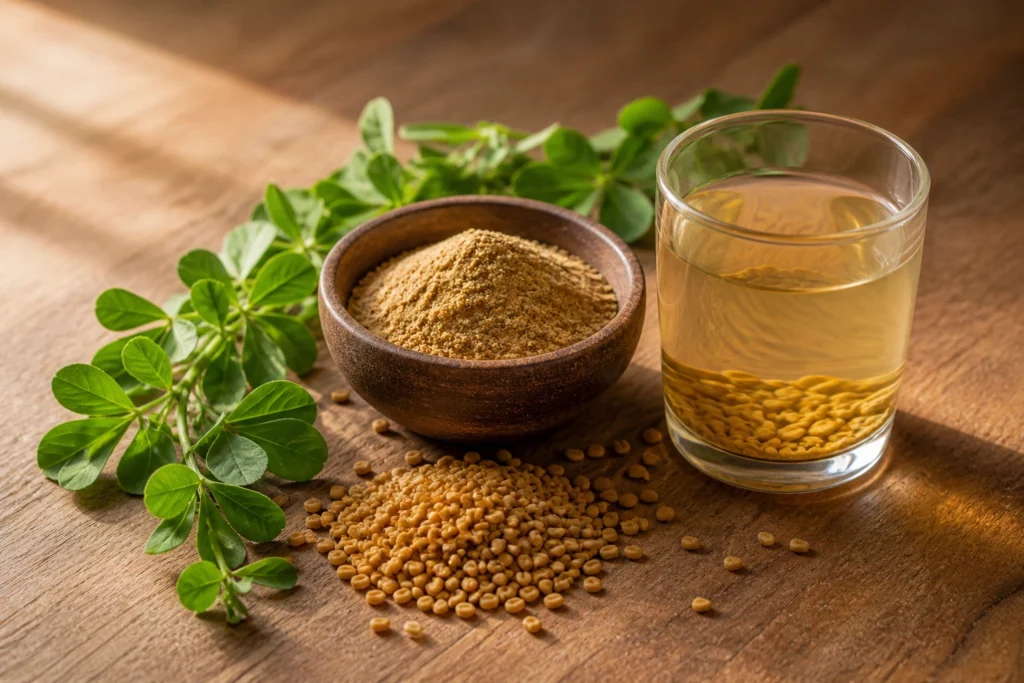
Fenugreek is one of the most versatile herbs you can add to your daily routine. You can eat the seeds, drink them as a tea, add leaves to food, or take capsules. The simplest daily habit is soaking seeds overnight — this reduces bitterness and makes them easier to digest. For a full step-by-step preparation guide and the complete list of benefits, see our article on fenugreek water benefits and how to make it at home every morning.
| Form | How to Use | Best For |
|---|---|---|
| Soaked seeds (overnight) ⭐ | Soak 1 tsp seeds in water overnight — eat seeds and drink water in morning | Blood sugar, digestion, weight management — easiest daily habit |
| Seed powder | Mix ½–1 tsp in warm water, yogurt, or smoothie | Blood sugar, testosterone, general health |
| Fenugreek tea | Simmer 1 tsp seeds in 300ml water for 10 min — strain and drink | Digestion, blood sugar, lactation support |
| Fresh methi leaves | Use in cooking — curries, parathas, dal | Nutrition, digestion — daily culinary use |
| Dried methi (kasuri methi) | Crumble into food as a finishing herb | Flavour and mild health benefit |
| Capsules | 250–600mg standardised extract with meals | Blood sugar, testosterone, PCOS — consistent dosing |
🌿 Overnight Soaked Fenugreek Seeds — Morning Ritual
- 1Add 1 teaspoon of fenugreek seeds to a small glass.
- 2Cover with room temperature water. Soak overnight — minimum 8 hours.
- 3In the morning — eat the softened seeds and drink the soaking water.
- 4Do this on an empty stomach 15–30 minutes before breakfast.
- 5Start with half a teaspoon in week one — build up to 1 teaspoon from week two.
🌿 How should you use Fenugreek? Type it in our free Herb & Tea Benefit Finder — get preparation method, timing, dosage, and safety notes instantly.
🔍 Try the Herb & Tea Benefit Finder →Dosage Guide
💡 Best timing: Take fenugreek with or just before meals — this is when its blood sugar benefits are most active. The galactomannan fibre slows glucose absorption from the meal you are about to eat. For testosterone benefits in men, consistent daily use for 8–12 weeks produces the strongest results.
Side Effects & Safety
Fenugreek is safe for most healthy adults at culinary and moderate supplement doses. But there are important safety points to know — especially for pregnant women, people on diabetes medication, and those with legume allergies. For the complete safety guide including drug interactions and pregnancy warnings, see our full guide to fenugreek side effects, warnings, and who should avoid it completely.
💊 Who Should Be Careful With Fenugreek
Pregnant women — therapeutic supplement doses should be avoided as fenugreek may stimulate uterine contractions. Normal culinary amounts in food are generally considered safe. People on diabetes medication — fenugreek lowers blood sugar further. Monitor carefully and tell your doctor. People with legume allergies — fenugreek belongs to the same family as peanuts, chickpeas, and soy. Test carefully before supplementing. People with hormone-sensitive cancers — fenugreek has mild estrogen-like activity. Seek medical approval before use.
Conclusion
Fenugreek is one of the most genuinely versatile medicinal herbs available — with clinical research now supporting many of its ancient traditional uses. Blood sugar control and testosterone support have the strongest evidence. PCOS benefits, digestive support, and cholesterol improvement are well supported.
It is also one of the most accessible herbs — used every day in millions of South Asian homes as methi. The simple overnight soak preparation costs almost nothing and can be started tomorrow morning.
Start with half a teaspoon of soaked seeds per day in week one. Build to 1 teaspoon from week two. Take it consistently every day before breakfast. Give it at least 6–8 weeks before judging results. Pair it with a balanced diet and regular movement for best results.
Try Our Free Herb & Tea Benefit Finder
Type Fenugreek or any herb to instantly see its benefits, how to use it, and who should be careful.
🔍 Open the Herb & Tea Benefit Finder →Frequently Asked Questions
Fenugreek is best supported by evidence for lowering blood sugar, raising testosterone in men, supporting women with PCOS, aiding digestion, improving cholesterol, and providing high amounts of iron. It is also traditionally used for breastmilk production, joint pain, and postpartum recovery.
The simplest method is soaking 1 teaspoon of seeds overnight in water and eating them with the soaking water first thing in the morning. You can also use fenugreek seed powder mixed into warm water or food, make fenugreek tea by simmering seeds in water, use fresh or dried methi leaves in cooking, or take standardised supplement capsules at 250–600mg per day.
Yes — multiple clinical trials have found fenugreek raises total and free testosterone in men. A 2025 consolidated clinical review confirmed these effects. The benefits are strongest in men with already-low or borderline testosterone. The mechanism involves saponins (particularly protodioscin) which support the hormonal pathway that produces testosterone. Give it at least 8–12 weeks of consistent use.
Yes — this is fenugreek’s most consistently proven benefit. A 2023 systematic review confirmed significant reductions in fasting blood glucose and HbA1c. It works through two mechanisms: galactomannan fibre slows sugar absorption from food, and 4-hydroxyisoleucine directly stimulates insulin release. Always inform your doctor if you take diabetes medication before adding fenugreek regularly.
Research suggests yes — a randomised double-blind trial found fenugreek extract at 500mg twice daily for 3 months produced significant improvements in ovarian cyst size and menstrual regularity. Fenugreek helps PCOS by improving insulin sensitivity, reducing excess androgen levels, and supporting more regular ovulation. Always discuss with your doctor alongside any PCOS treatment.
Fenugreek contains a compound called sotolon — the same compound responsible for the maple syrup smell. When you eat fenugreek, sotolon is released through sweat and urine giving a maple syrup-like odour. This is completely harmless but can be surprising if you are not expecting it. The effect goes away when you stop taking fenugreek.
Normal culinary amounts of fenugreek in food are generally considered safe during pregnancy. But therapeutic doses from supplements should be avoided — fenugreek may stimulate uterine contractions at high doses. After birth, fenugreek is commonly used for lactation support at 1,725mg three times daily. Always discuss with your doctor or midwife before taking any supplement during or after pregnancy.
Yes — methi is the Hindi and Urdu name for fenugreek. Methi dana refers specifically to the seeds. Both the fresh green leaves and the seeds are widely used in South Asian cooking. Kasuri methi is dried fenugreek leaves used as a finishing herb in curries and bread. All forms come from the same plant and share the same health benefits — seeds are more potent therapeutically than leaves.
Blood sugar effects can be noticed within 1–2 weeks of consistent daily use before meals. Testosterone and PCOS benefits typically take 8–12 weeks to show meaningfully. Breastmilk production effects are often reported within 24–72 hours of starting the lactation dose. Digestive benefits — reduced bloating and improved bowel regularity — are often felt within the first week.
Yes — fenugreek and ashwagandha are commonly combined and are generally safe together. They have complementary effects: fenugreek focuses on blood sugar, testosterone, and hormonal balance, while ashwagandha focuses on stress, cortisol, and sleep. Combined, they address multiple aspects of metabolic and hormonal health simultaneously. Start each at the lower end of the recommended dose when combining and monitor how your body responds.