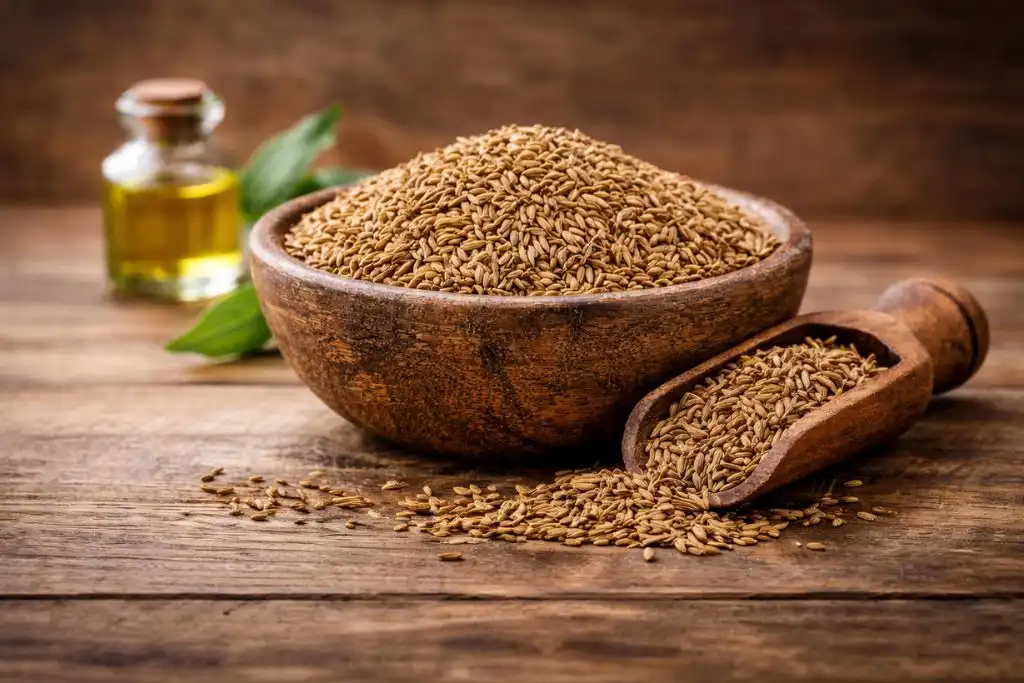

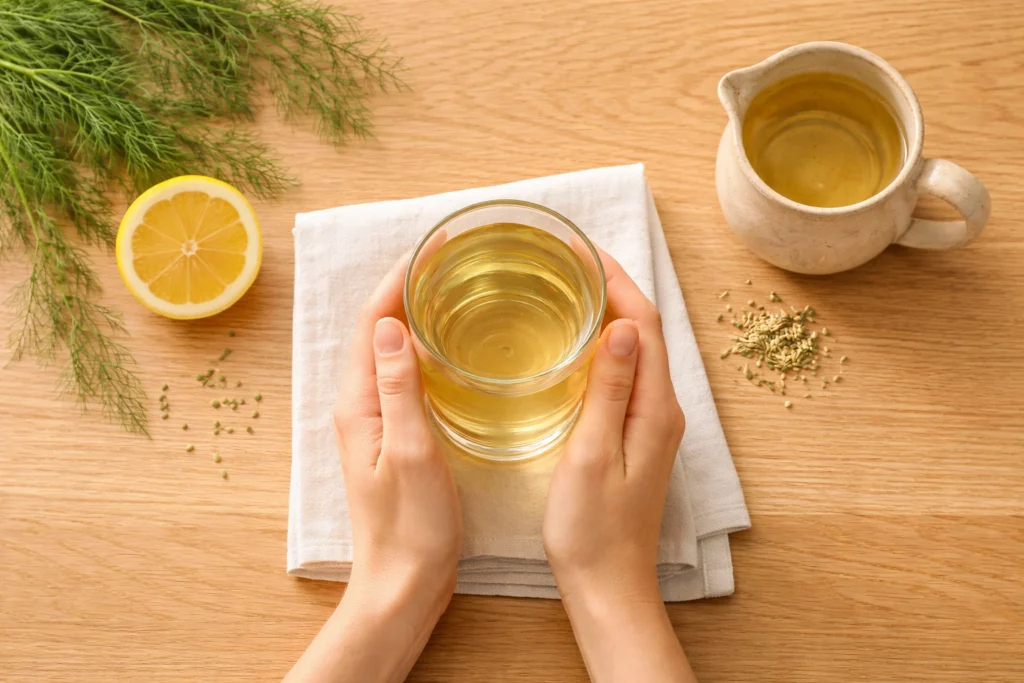
Fennel water is made by soaking or boiling fennel seeds in water. It is one of the easiest, cheapest herbal drinks you can make — and it supports digestion, hydration, and daily wellness.
📋 Table of Contents
Introduction
Fennel water is one of the most popular herbal drinks in the world. You make it simply by soaking or boiling fennel seeds in water. It takes less than 5 minutes to prepare.
People have been drinking fennel water for centuries. Ayurvedic and Unani traditions used it for digestion and wellness. Today, millions of people around the world drink it every day for the same reasons.
What makes fennel water special? It has almost zero calories. It tastes pleasant. And it actually works. Scientists have studied its main active compound — anethole — and confirmed it relaxes the gut, reduces gas, and fights inflammation.
This article focuses on fennel water specifically — its benefits, nutrition, how to make it, and the best way to use it daily. For the full picture on fennel seeds, see our complete guide to fennel seeds (Saunf) — benefits, nutrition, and traditional uses.
🛠️ Free Health Tools — Water Intake Calculator, BMI Calculator, Intermittent Fasting Calculator & more
🔍 Browse All Free Health Tools →What Is Fennel Water?
Fennel water is water infused with fennel seeds (Foeniculum vulgare). You make it by soaking the seeds overnight or boiling them briefly. The water turns pale golden and picks up a mild, sweet, anise-like flavour.
Most people drink it plain — no sugar, no sweeteners. A squeeze of lemon is a popular addition. You can drink it warm, at room temperature, or cold depending on what you need it for.
Fennel Water vs Whole Fennel Seeds — Key Differences
| Feature | 💧 Fennel Water | 🌿 Whole Seeds (chewed) |
|---|---|---|
| Compound strength | Lower — only water-soluble compounds | Higher — full oil content released |
| Gentle on stomach | ✅ Very gentle — good for sensitive stomachs | ⚠️ Stronger — may irritate sensitive people |
| Ease of use | ✅ Easy — just drink | Requires chewing |
| Best for | Daily routine, hydration, morning use | Immediate post-meal gas relief |
| Calories | ~5–8 kcal per cup | ~7 kcal per ½ tsp |
| Fibre | Minimal — stays in seeds | ✅ 2.3g per tablespoon |
Nutritional Profile of Fennel Water
Fennel water is extremely low in calories. The seeds stay behind after straining. What the water carries are the seeds’ water-soluble compounds — including the active ingredient anethole.
| Property / Nutrient | Per 250ml Cup | Notes |
|---|---|---|
| Calories | ~5–8 kcal | Negligible — fits any diet |
| Carbohydrates | <1 g | Trace only |
| Protein | Trace | Minimal in water infusion |
| Fat | Trace | Minimal in water infusion |
| Anethole (volatile oil) | Present — low level | Main active compound — relaxes the gut |
| Fenchone (volatile oil) | Present — trace | Reduces gas |
| Flavonoids | Trace — water-soluble fraction | Antioxidant activity |
| Potassium | Small trace | More available from whole seeds |
| Colour | Pale golden to clear | Darker with longer steep or boil |
🔗 🌾 Full Guide: Fennel Seeds (Saunf) — Complete Benefits, Nutrition & Uses
This article covers fennel water specifically. For the full picture — all 10 health benefits, complete nutritional data, bioactive compounds, Ayurvedic uses, dosage, and side effects — read our complete pillar guide:
👉 Fennel Seeds (Saunf): 10 Benefits, Nutrition, Uses & Side Effects →
8 Key Benefits of Fennel Water
These benefits are based on research and traditional use. Fennel water is not a medical treatment. Always talk to your doctor before using it for a specific health problem.
🫁 Relieves Bloating & Digestive Discomfort
This is fennel water’s most well-known benefit. Anethole relaxes the muscles in your gut wall. This reduces bloating, trapped gas, and cramps after eating. Fennel water works more gently than chewing seeds. It is a great option if you have a sensitive stomach.
A review in the Journal of Food Science confirmed fennel seeds have carminative (gas-reducing) effects in the digestive tract. Anethole is the main compound responsible.
💧 Supports Daily Hydration
Many people find it hard to drink enough plain water. Fennel water solves that. Its mild, pleasant flavour makes drinking more enjoyable. You naturally drink more when it tastes like something. Replacing one or two sugary drinks with fennel water improves hydration, cuts calories, and adds health benefits — all in one swap.
⚖️ Supports Weight Management
At just 5–8 calories per cup, fennel water is one of the lowest-calorie flavoured drinks you can find. It also has mild diuretic properties that reduce water retention and bloating. Drinking it in the morning on an empty stomach helps you feel full and start the day with a low-calorie hydration habit.
A 2015 study in Clinical Nutrition Research found that fennel tea significantly reduced appetite and increased feelings of fullness in participants.
🛡️ Antioxidant & Immune Support
Fennel water carries some of the seeds’ antioxidants — including rosmarinic acid and chlorogenic acid. These antioxidants fight free radicals in your body. Free radicals contribute to ageing and chronic disease. Drinking fennel water daily adds a small but consistent antioxidant boost to your routine.
✨ Supports Skin Health
Fennel water helps your skin from the inside. Its antioxidants protect skin cells from damage. Its mild anti-inflammatory effects help reduce acne and uneven tone. You can also use cooled fennel water as a gentle face toner. It works especially well for oily or acne-prone skin.
🌸 Hormonal & Menstrual Comfort
Fennel contains plant compounds with mild oestrogen-like activity. Warm fennel water is a traditional remedy for period cramps. Anethole relaxes uterine muscles — the same way it relaxes the gut. Some women also find it helpful for menopausal symptoms like hot flushes. Talk to your doctor if you have hormone-sensitive conditions.
😮 Freshens Breath Naturally
The volatile oils in fennel — especially anethole — kill the oral bacteria that cause bad breath. Drinking fennel water after meals freshens breath gently and for longer than chewing seeds. It is a natural, sugar-free alternative to mints and gum. You get fresher breath and digestive support at the same time.
🌙 Supports Evening Relaxation & Sleep
Warm fennel water in the evening is a traditional Ayurvedic sleep aid. It relaxes the gut and settles digestion before bed. It has zero caffeine — so it will not keep you awake. The warmth itself helps your body wind down. It is a simple, calorie-free addition to your evening routine.
Fennel Water & Daily Hydration
Most adults do not drink enough water each day. Fennel water makes it easier. It is flavourful, has almost no calories, and contains no sugar or caffeine. It is one of the best drinks you can use to replace unhealthy habits.
| Beverage | Calories (250ml) | Hydration Value | Fennel Water Advantage |
|---|---|---|---|
| Plain water | 0 kcal | ✅ Excellent | Fennel water adds flavour + health benefits |
| Fennel water | 5–8 kcal | ✅ Excellent | Flavour + digestive + antioxidant benefit |
| Fruit juice | 110–130 kcal | ✅ Good | Fennel water has 95% fewer calories |
| Fizzy drinks | 100–150 kcal | ⚠️ Moderate | Fennel water has zero sugar |
| Herbal tea (sweetened) | 30–60 kcal | ✅ Good | Fennel water unsweetened = fewer calories |
| Coffee / tea (with milk) | 40–80 kcal | ✅ Good | Fennel water is caffeine-free |
How Much Water Should You Drink Daily?
Fennel water counts toward your daily fluid target. Use our free Water Intake Calculator to find your personal daily hydration goal based on your weight and activity level.
💧 Calculate My Daily Water Intake →How to Make Fennel Water
🌊 Method 1: Overnight Soak (Best for Daily Use)
Ingredients:
- 1–2 tsp fennel seeds
- 250–300ml water (room temperature)
- Optional: lemon juice, pinch of black salt
- 1 Add fennel seeds to a glass of water in the evening.
- 2 Cover and leave at room temperature overnight (8–10 hours).
- 3 Strain the seeds in the morning.
- 4 Drink warm or at room temperature. Add lemon if you like. Avoid sugar.
🔥 Method 2: Quick Boil (Faster — Stronger Flavour)
Ingredients:
- 1 tsp fennel seeds
- 300ml cold water
- 1 Add seeds to cold water in a small saucepan.
- 2 Bring to a gentle boil. Simmer for 5–7 minutes.
- 3 Remove from heat and cool for 3–5 minutes.
- 4 Strain and drink warm. Add lemon or honey after cooling if you like.
For more preparation tips including storage advice, see: How to Make Fennel Water at Home →
🌿 How should you use fennel water? Type it in our free Herb & Tea Benefit Finder — get preparation method, timing, dosage, and safety notes instantly.
🔍 Try the Herb & Tea Benefit Finder →
Fennel water makes a gentle morning wellness drink. Photo: DailyHealthLeaf via Flickr (CC BY 4.0)
Best Time to Drink Fennel Water
| Time | Purpose | Notes |
|---|---|---|
| 🌅 Morning — empty stomach | Digestion, hydration, weight management | Most recommended — overnight soak method works best |
| 🍽️ After meals | Bloating, gas, acidity, fresh breath | Classic traditional use — most effective for digestion |
| ☀️ Mid-morning / afternoon | Hydration, appetite control, no caffeine | Good replacement for coffee or tea |
| 🌙 Evening / before bed | Relaxation, IBS comfort, overnight digestion | Warm — caffeine-free evening ritual |
| 🏋️ Post-exercise | Rehydration, anti-inflammatory recovery | Add pinch of black salt for electrolytes |
| 🩺 During menstruation | Cramp relief, hormonal comfort | Warm — drink slowly throughout the day |
For a detailed guide on drinking fennel water after meals, see: Fennel Water After Meals — Traditional Use & Digestive Comfort →
How Much Fennel Water Per Day?
Who Should Be Careful?
Fennel water is safe for most healthy adults in normal amounts. Some groups should be more careful.
For the complete guide on side effects and who should avoid fennel water: Fennel Water Side Effects and Who Should Avoid It →
Try Our Free Herb & Tea Benefit Finder
Type fennel or any herb to instantly see its benefits, how to use it, and who should be careful.
🔍 Open the Herb & Tea Benefit Finder →Frequently Asked Questions