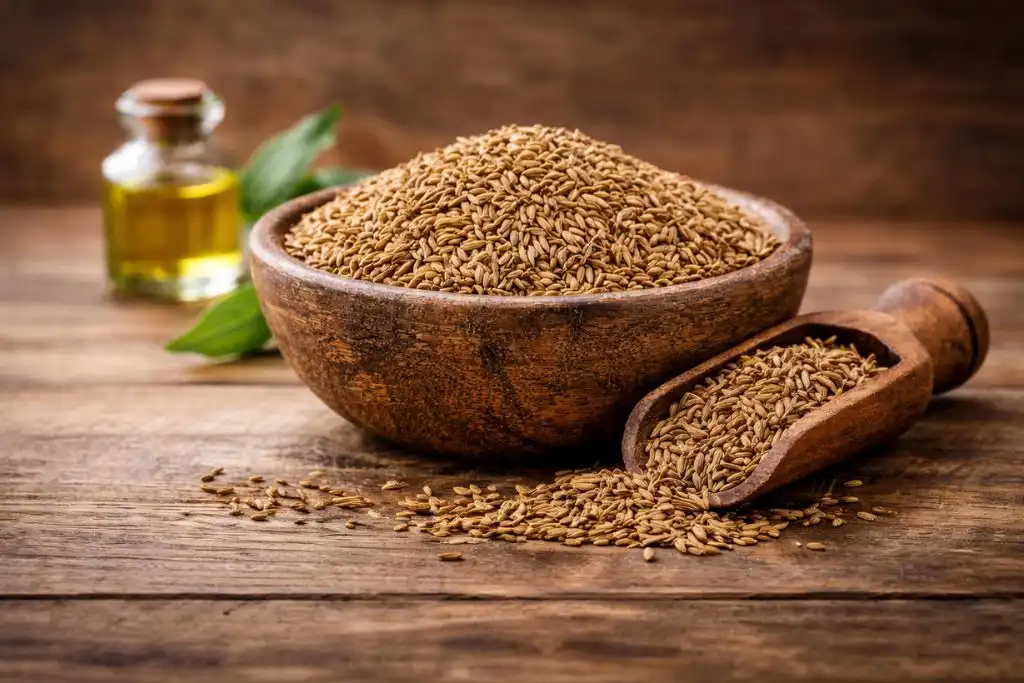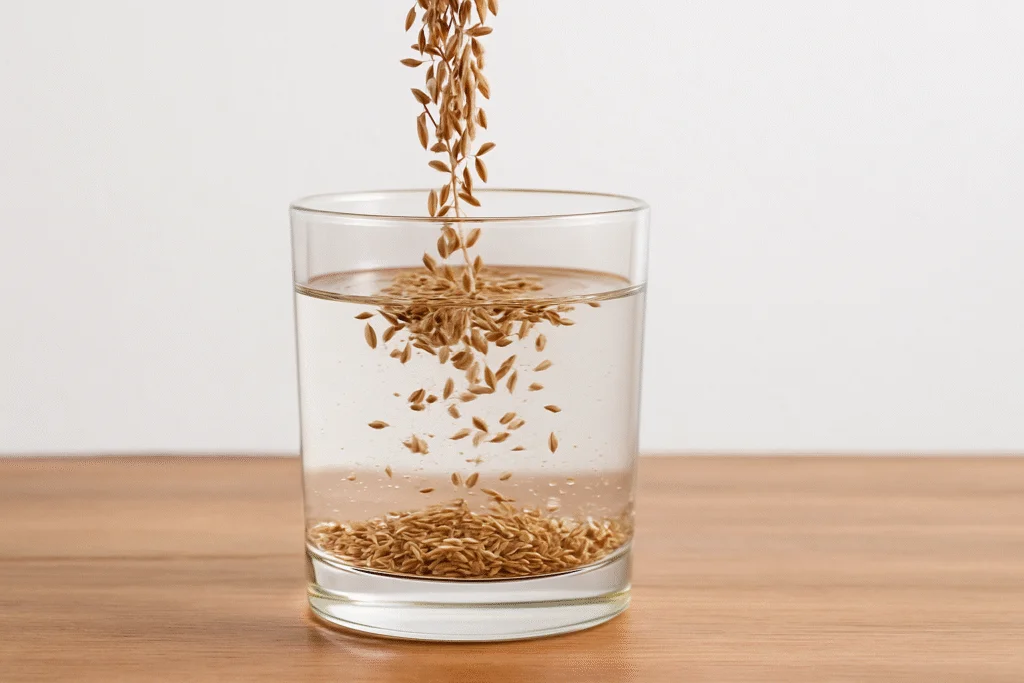
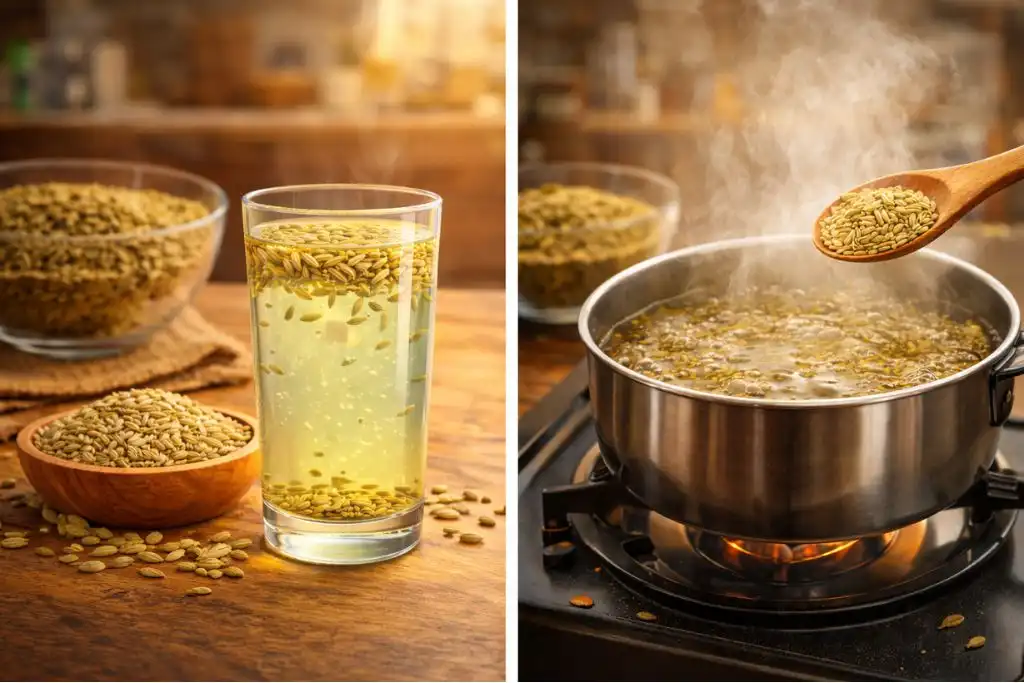
Fennel water — known as saunf ka paani — is one of the simplest and most effective traditional herbal beverages you can prepare at home. Made from Foeniculum vulgare seeds and plain water, it requires no special equipment and just two ingredients. There are two preparation methods: overnight soaking (mild, best for daily use) and boiling (stronger, faster, better for occasional use).
📋 Table of Contents
Introduction
Few herbal beverages in the world are as accessible as fennel water. Two ingredients, no special equipment, and under five minutes of active preparation — yet the result is a drink that has been consumed after meals across India, Pakistan, the Middle East, and the Mediterranean for thousands of years. Saunf ka paani (fennel seed water) is a staple in Ayurvedic and Unani wellness traditions, valued for its carminative, digestive, and cooling properties.
Modern interest in fennel water has grown significantly. Searches for “how to make fennel water,” “saunf water recipe,” and “fennel water on empty stomach” have surged globally as people seek natural, low-calorie alternatives to sugary beverages and digestive supplements. The active compound anethole — responsible for fennel’s distinctive sweet, anise-like aroma — is what drives most of fennel water’s digestive benefits.
This guide covers everything you need to know to prepare fennel water at home: both the overnight soaking and boiling methods explained step-by-step, a full comparison of the two, optional add-ins to enhance flavor and benefits, the best time to drink it, daily dosage guidance, and proper storage tips.
To understand the full range of health benefits that fennel seeds provide — beyond just how to make the water — read our comprehensive guide: Fennel Seeds (Saunf): Benefits, Uses, Nutrition & Side Effects. It covers the nutritional profile, 10 science-informed health benefits, Ayurvedic & Unani traditional uses, and safe daily dosage.
What Is Fennel Water?
Fennel water is an infusion prepared by steeping dried fennel seeds (Foeniculum vulgare) in plain water. The process — whether through soaking or gentle boiling — draws water-soluble compounds from the seeds into the liquid: primarily anethole and related volatile oils, flavonoids, polyphenol antioxidants, and small amounts of minerals. The result is a light, slightly sweet, mildly aromatic beverage with negligible calories (approximately 3–5 kcal per glass).
It is important to distinguish fennel water (a mild home infusion) from concentrated fennel tea, fennel essential oil, or supplement extracts — which carry different potency levels and different safety profiles. This guide focuses specifically on home-prepared fennel water using whole dried seeds.
| Language / Region | Name for Fennel Seeds | Name for Fennel Water |
|---|---|---|
| Hindi / Urdu | Saunf (سونف) | Saunf ka Paani |
| English | Fennel Seeds / Sweet Fennel | Fennel Water / Fennel Seed Water |
| Sanskrit / Ayurvedic | Shatapushpa / Misreya | Shatapushpa Jala |
| Arabic | Shamar (شمار) | Maa’ al-Shamar |
| Bengali | Mauri / Mouri | Mauri Jol |
| Tamil | Sombu / Peruncirakam | Sombu Thanneer |
| Punjabi | Sounf | Sounf da Paani |
🌱 Why Does Fennel Water Work? The Key Compound
Anethole — the primary volatile oil in fennel seeds — is responsible for the characteristic sweet, anise-like aroma and most of the digestive benefits. Anethole has documented antispasmodic and carminative properties: it relaxes gastrointestinal smooth muscle, reduces gas and bloating, and stimulates digestive enzyme secretion. When fennel seeds are soaked or boiled, anethole and water-soluble flavonoids (quercetin, apigenin) dissolve into the water, creating a mild but effective digestive tonic.
Ingredients & Equipment
One of the key advantages of fennel water is its simplicity — you need almost nothing beyond the seeds themselves.
| Item | Amount | Notes |
|---|---|---|
| Fennel seeds (whole, dried) | 1–2 teaspoons per glass | Use whole seeds — not powder. Fresh-smelling seeds release better aroma. |
| Clean drinking water | 250ml (1 glass) per serving | Filtered or boiled-and-cooled water preferred |
| Glass or jar (for soaking) | 1 standard glass | Cover overnight to prevent contamination |
| Small saucepan (for boiling) | — | Only needed for boiling method |
| Fine mesh strainer | — | Essential for both methods to remove seeds |
Choosing the Best Fennel Seeds
- Use whole dried seeds — not ground fennel powder, which loses volatile oils quickly and cannot be properly strained
- Fresh-smelling seeds are best — fennel seeds that smell strongly sweet and anise-like contain more anethole than old, stale seeds
- Green seeds vs brown seeds — green fennel seeds are fresher and have a more intense aroma; yellowish-brown seeds are older but still effective
- Store seeds in an airtight container away from heat and light to preserve their active compounds
Method 1 — Overnight Soaking (Recommended for Daily Use)
The overnight soaking method is the most traditional and widely used preparation in South Asian households. It requires no heat, preserves heat-sensitive compounds, and produces the mildest, most gentle infusion — ideal for daily consumption.
⭐ Saunf Water — Overnight Soak Method
Yield: 1 glass (250ml) | Prep time: 2 minutes active + 8–10 hours soaking | Calories: ~3–5 kcal
Ingredients:
- 1–2 teaspoons whole fennel seeds (saunf)
- 250ml clean drinking water (room temperature or slightly cool)
Steps:
- 1 Measure 1–2 teaspoons of whole fennel seeds. You can lightly bruise them with the back of a spoon to help release more aroma — this is optional but enhances flavor.
- 2 Add the seeds to a clean glass or small jar (250ml capacity).
- 3 Pour clean drinking water over the seeds at room temperature. Do not use hot water — this method relies on slow cold infusion.
- 4 Cover the glass with a small plate, lid, or cling film to prevent dust or insects from entering overnight.
- 5 Leave to soak for a minimum of 8 hours — overnight (8–10 hours) is ideal. The water will develop a pale yellow-green tint and mild aroma.
- 6 In the morning, strain through a fine mesh strainer into a clean glass. Discard the soaked seeds.
- 7 Drink at room temperature or slightly warmed. Consume within 1–2 hours of straining for best freshness.
💡 Pro tip: Prepare the glass the night before as part of your bedtime routine — it takes under 2 minutes and your morning fennel water will be ready when you wake up.
Why This Method Is Preferred
| Feature | Details |
|---|---|
| Flavor profile | Mild, subtly sweet, lightly aromatic — not overpowering |
| Nutrient preservation | Heat-sensitive antioxidants (polyphenols, vitamin C) are fully preserved |
| Compound extraction | Slower extraction produces a more balanced, gentler infusion |
| Digestive effect | Gentler on sensitive stomachs; ideal for first-time users |
| Convenience | Zero active cooking; set-and-forget overnight |
| Best for | Daily use, morning routine, weight management, detox routines |
Method 2 — Boiling Method (Stronger & Faster)
The boiling method produces a more concentrated, aromatic fennel tea with a stronger flavor profile. It is faster than soaking and is preferred when you want a warm drink or need a stronger infusion — for example, when using fennel water specifically for respiratory comfort, menstrual discomfort, or a stronger digestive effect.
⭐ Boiled Fennel Water — Stovetop Method
Yield: 1–2 glasses | Prep time: 10–12 minutes total | Calories: ~5–8 kcal
Ingredients:
- 1 teaspoon whole fennel seeds
- 1½–2 cups (375–500ml) water
Steps:
- 1 Lightly crush the fennel seeds using a mortar and pestle or the back of a spoon. This opens the seeds and significantly improves compound extraction during boiling.
- 2 Add the crushed seeds to a small saucepan with 1½–2 cups of water.
- 3 Place the saucepan on medium heat and bring to a gentle boil. Do not use a rolling boil — a gentle simmer preserves more aromatic compounds.
- 4 Once boiling, reduce heat and simmer for 5–7 minutes. The water will turn a golden-yellow color and develop a noticeably stronger aroma.
- 5 Turn off the heat. Allow to cool for 3–5 minutes until warm but comfortable to drink.
- 6 Strain through a fine mesh strainer into a mug or glass. Press the seeds lightly against the strainer to extract remaining liquid.
- 7 Drink warm. Optional: add a squeeze of lemon or a teaspoon of honey after straining.
💡 Pro tip: Do not boil for more than 7–8 minutes — extended boiling can make the flavor bitter and may degrade some heat-sensitive polyphenols.
When to Use the Boiling Method
| Situation | Why Boiling Works Better |
|---|---|
| Respiratory congestion / cough | Warm liquid + stronger anethole concentration helps loosen mucus |
| Menstrual discomfort | Warm drink enhances the antispasmodic relaxing effect |
| Cold or flu season | Warmth + antimicrobial properties of anethole provide comfort |
| Stronger digestive relief needed | Higher compound concentration for more pronounced carminative effect |
| No time for overnight soaking | Produces fennel water in under 15 minutes when soaking is not possible |
Soaking vs Boiling — Full Comparison
Both methods produce effective fennel water — the right choice depends on your purpose, taste preference, and daily routine. Here is a complete side-by-side comparison:
| Feature | 💧 Soaking (Overnight) | 🔥 Boiling |
|---|---|---|
| Preparation time | 2 min active + 8–10 hrs soaking | 10–12 minutes total |
| Flavor intensity | Mild, subtle, lightly sweet | Strong, aromatic, more concentrated |
| Color | Pale yellow-green tint | Golden yellow |
| Temperature | Room temperature or lightly warmed | Served warm / hot |
| Nutrient preservation | Better — heat-sensitive compounds preserved | Some heat-sensitive polyphenols may degrade |
| Anethole extraction | Moderate (gradual cold extraction) | Higher (heat speeds extraction) |
| Best for | Daily hydration, morning routine, weight management | Respiratory comfort, menstrual relief, occasional stronger use |
| Digestive gentleness | Gentler — better for sensitive stomachs | Stronger — may be intense for very sensitive digestion |
| Recommended frequency | Daily use ✅ | Occasional use (2–3 times per week) ⚠️ |
| Equipment needed | Glass + strainer | Saucepan + strainer |
🌿 Our recommendation: Use the overnight soaking method as your default daily preparation — it is gentler, preserves more heat-sensitive compounds, and takes almost no active effort. Reserve the boiling method for days when you need a stronger effect or want a warm comforting drink.
Optional Add-Ins & Flavor Variations
Plain fennel water is effective on its own, but several traditional add-ins can enhance both the flavor and the health benefits. These are all optional — fennel water works without any additions.
| Add-In | Amount | Benefit | Best With |
|---|---|---|---|
| 🍋 Lemon juice | ½ teaspoon | Vitamin C boost, enhances taste, supports digestion | Both methods |
| 🍯 Raw honey | 1 teaspoon | Antimicrobial, sweetens naturally, soothes throat | Boiling method (add after cooling) |
| 🫚 Fresh ginger slice | 1–2 thin slices | Anti-nausea, anti-inflammatory, warming effect | Boiling method |
| 🪨 Misri (rock sugar) | Small piece | Traditional Ayurvedic cooling agent, mild sweetener | Both methods |
| 🌿 Fresh mint leaves | 2–3 leaves | Additional cooling, refreshing summer variation | Soaking method |
| 🫙 Cardamom (elaichi) | 1 pod, lightly crushed | Enhanced digestive effect, aromatic | Boiling method |
| 🌶️ Black pepper pinch | Tiny pinch | Warming, may enhance compound bioavailability | Boiling method |
⚠️ Add honey only after the liquid has cooled to warm — adding honey to boiling liquid degrades its beneficial enzymes and antimicrobial properties. Always add honey at the end, once the drink is below 40°C (comfortable to touch).
Best Time to Drink Fennel Water
When you drink fennel water can influence which benefits you experience most. Different timing serves different purposes:
| Time | Method | Primary Purpose | Notes |
|---|---|---|---|
| 🌅 Morning, empty stomach | Soaking (overnight) | Digestive reset, detox, metabolism, weight management | Most popular timing — drink before breakfast |
| 🍽️ After main meals | Either method | Gas relief, bloating reduction, digestion support | Traditional South Asian post-meal practice |
| ☀️ Mid-morning / afternoon | Soaking (fresh batch) | Hydration, appetite management, refreshment | Good substitute for sugary drinks |
| 🌙 Before bed (warm) | Boiling | Relaxation, IBS comfort, mild sleep support | Warm version is more calming |
| 🩸 During menstruation | Boiling (warm) | Menstrual cramp relief, antispasmodic effect | Warm fennel tea works best for this purpose |
🌅 Morning on an empty stomach is the most recommended time for fennel water — this is when the digestive system is most receptive and the carminative compounds can work most effectively before the day’s first meal.
How Much Fennel Water Per Day?
For most healthy adults, 1 glass per day is sufficient to enjoy the digestive benefits of fennel water. A second glass after a heavy meal is acceptable. Consuming more than 2–3 glasses per day regularly is not necessary and increases the risk of mild digestive upset or phytoestrogenic accumulation. If you are new to fennel water, start with half a glass and increase gradually.
💧 How Much Water Should You Drink Per Day?
Fennel water contributes to your daily fluid intake but should complement — not replace — your regular water consumption. Use our free calculator to find your personalised daily water intake based on your weight, activity level, and climate.
💧 Try the Free Water Intake Calculator →Storage Tips
Fennel water is always best consumed fresh, but here is how to store it when needed:
| Method | Storage Duration | How to Store | Notes |
|---|---|---|---|
| Soaked fennel water | Up to 24 hours | Strain immediately, store in a sealed glass bottle in the refrigerator | Flavor intensifies slightly; still safe to drink cold or room temperature |
| Boiled fennel water | Same day only | Strain and store in a covered container at room temperature | Consume within 6–8 hours; boiled preparations degrade faster |
| Unboiled seeds in water | Do not store | Strain before storage — never store with seeds still in | Seeds left in water overnight beyond 12 hours may turn bitter |
⚠️ Never store fennel water with the seeds still in the liquid beyond the intended soaking period. Extended soaking beyond 12 hours at room temperature may cause the water to develop a bitter taste and could allow bacterial growth in warm climates. Always strain before storing in the refrigerator.
Who Should Be Careful?
Fennel water is generally safe for most healthy adults in the amounts described above. However, the following groups should exercise caution or consult a healthcare provider before making it a daily habit:
📖 Full Side Effects & Safety Guide
For a complete, detailed guide to all known side effects of fennel water, drug interactions, and who should avoid it, read our dedicated safety guide: Fennel Water Side Effects and Who Should Avoid It →
Try Our Free Herb & Tea Benefit Finder
Type fennel, ginger, cumin, or any herb or tea to instantly see its benefits, best time to use, preparation method, and who should be careful.
🔍 Open the Herb & Tea Benefit Finder →Frequently Asked Questions
For daily use, the overnight soaking method is generally better — it produces a milder drink, requires no cooking, preserves heat-sensitive antioxidants, and is gentler on the digestive system. The boiling method is preferred when you want a warmer, stronger drink for specific purposes like respiratory comfort, menstrual cramp relief, or when you need fennel water quickly without time to soak overnight. Both methods are effective — the choice depends on your purpose and preference.
Lightly crushing or bruising fennel seeds before preparation is optional but beneficial — it helps break the seed coat and release more aroma and active compounds (particularly anethole) into the water. For soaking, a gentle bruising with the back of a spoon is sufficient. For boiling, lightly crushing in a mortar and pestle noticeably enhances the flavor and potency of the final drink. Do not grind into a fine powder — you still need to be able to strain the seeds out.
A minimum of 8 hours is recommended for the soaking method — this gives enough time for the water-soluble compounds to dissolve into the water. Overnight soaking (8–10 hours) is the standard practice. You can soak for up to 12 hours, but beyond that at room temperature the water may develop a slightly bitter taste and risks contamination in warm climates. Always strain before consuming or refrigerating.
Yes — fennel water can be consumed at room temperature, gently warmed, or chilled, depending on preference and purpose. The soaking method is typically consumed at room temperature or slightly warmed. The boiling method produces a warm drink that can also be allowed to cool. Warm fennel water is generally preferred for its digestive and respiratory benefits; cold or room temperature is refreshing in summer. Avoid drinking ice-cold fennel water on an empty stomach if you have a sensitive digestive system.
For most healthy adults, 1 glass (250ml) per day is sufficient to enjoy the digestive and wellness benefits of fennel water. A maximum of 2 glasses per day is generally considered safe and appropriate. Drinking more than 2–3 glasses daily on a regular basis is not necessary and may cause mild digestive upset or lead to excessive phytoestrogen intake over time. If you are new to fennel water, start with half a glass and increase gradually based on your individual tolerance.
It is not recommended to reuse fennel seeds for a second batch of water. Most of the water-soluble active compounds (anethole, flavonoids) are extracted during the first soak or boil. A second preparation from the same seeds would be significantly weaker and may have an off or bitter taste. Always use fresh seeds for each preparation — the quantity used (1–2 teaspoons) is minimal, so this is not a significant cost concern.
Fennel water has a mild, slightly sweet, aromatic flavor with a faint anise or liquorice-like quality — coming from anethole, the primary volatile oil in fennel seeds. The soaking method produces a very subtle, delicate flavor that most people find pleasant and easy to drink. The boiling method produces a noticeably stronger, more pronounced fennel flavor. Neither method should taste bitter if prepared correctly — bitterness usually indicates over-soaking or over-boiling.
These terms are sometimes used interchangeably, but technically: fennel water (saunf ka paani) typically refers to the overnight soaked, cold-infusion version — mild and consumed at room temperature. Fennel tea usually refers to a hot preparation made by boiling or steeping the seeds in hot water, similar to other herbal teas. Both use the same seeds and produce similar benefits, but fennel tea is generally stronger and warmer. Neither should be confused with concentrated fennel extracts or supplements, which are far more potent.
Yes — soaked fennel water can be strained and stored in a sealed glass bottle in the refrigerator for up to 24 hours. This is actually a common practice for those who want their morning fennel water to be ready immediately upon waking. Always strain the seeds out before refrigerating — seeds left in the liquid will continue to infuse and may make the flavor too strong or bitter. Boiled fennel water is best consumed the same day and is not ideal for overnight refrigeration.