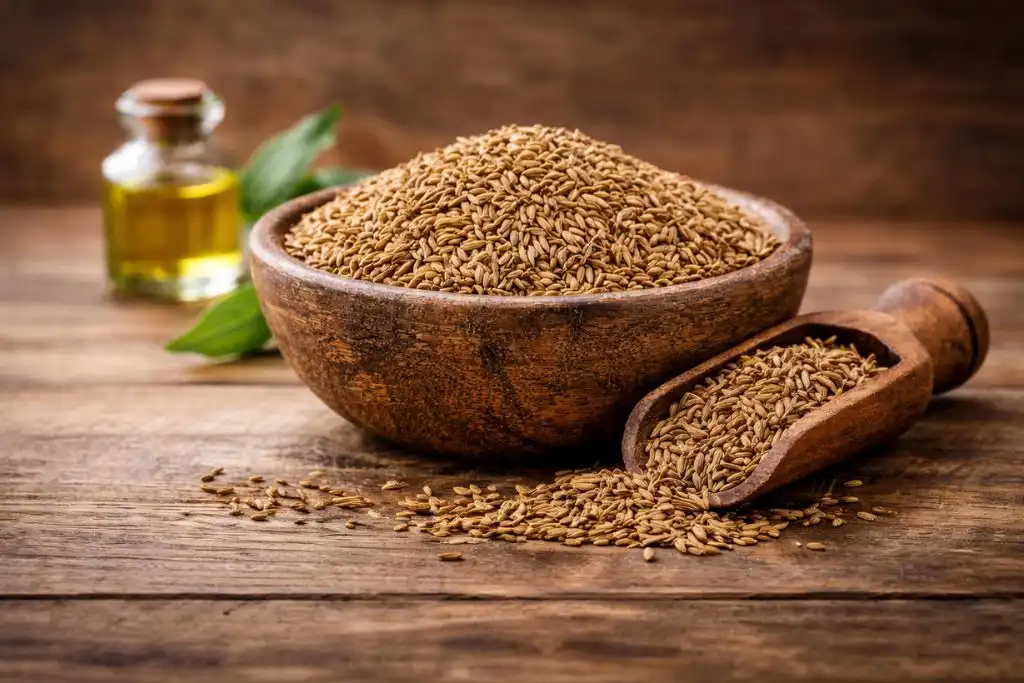

Cloves are small flower buds packed with a compound called eugenol. They may support digestion, fight germs, and protect your cells.
📋 Table of Contents
Introduction
Cloves are tiny, dried flower buds. They come from an evergreen tree. People have used them in cooking and medicine for over 2,000 years.
You probably know cloves from pumpkin pie or mulled wine. But this small spice does a lot more than add flavor.
Cloves are loaded with a compound called eugenol. Eugenol gives cloves their strong smell. It also gives them strong health benefits.
In this guide, you’ll learn what cloves are, what the research says, and how to use them safely every day.
🛠️ Free Health Tools — Water Intake Calculator, BMI Calculator, Intermittent Fasting Calculator & more
🔍 Browse All Free Health Tools →Cloves grow on a tree called Syzygium aromaticum. It is native to Indonesia. Today, cloves grow in many warm parts of the world.
You can use cloves whole, ground, or as an oil. Each form has different uses and different safety rules.
What Is Clove?
Cloves are the dried flower buds of the clove tree. They are dark brown and shaped like small nails.
In fact, the word “clove” comes from the Latin word clavus. It means “nail.”
The buds are picked by hand before they open. Then they are dried in the sun until they turn brown and hard.
Cloves have many names around the world. The table below shows common names in different languages.
| Language | Name |
|---|---|
| English | Clove |
| Sanskrit / Ayurvedic | Lavanga |
| Chinese | Ding Xiang (丁香) |
| Arabic | Qaranful |
| French | Clou de girofle |
| Spanish | Clavo de olor |
| Greek | Garyfallo |
| Botanical / Latin | Syzygium aromaticum |
| Hindi | Laung |
🔬 How It Works
Eugenol makes up most of clove’s essential oil. In one analysis, eugenol accounted for nearly 59% of all the compounds found in clove pods. This compound is what gives cloves their antioxidant and germ-fighting power.
Clove Nutrition Facts
Cloves are used in small amounts. But they still pack in some nutrients. Here is what you get in one teaspoon of ground clove (about 2 grams).
| Nutrient | Amount per 1 tsp |
|---|---|
| Calories | 6–7 kcal |
| Fiber | 0.5 g |
| Manganese | 30% of Daily Value |
| Vitamin K | 3% of Daily Value |
| Vitamin C | small amount |
| Eugenol (essential oil) | main active compound |
Manganese stands out the most. It supports bone health and helps your body process nutrients.
10 Health Benefits of Clove
Researchers have studied cloves for many years. Here are the top benefits backed by science so far.
Loaded With Antioxidants
Cloves rank among the top antioxidant spices. These antioxidants help your body fight free radicals, which can damage your cells and raise your risk of heart disease, diabetes, and certain cancers.
May Lower Inflammation
Eugenol is the main anti-inflammatory compound in clove. It may help reduce your body’s inflammatory response, which can lower your risk of issues like arthritis.
Supports Digestion
Cloves have long been used to calm an upset stomach. They may help reduce gas and ease bloating after meals.
Fights Harmful Bacteria
Clove compounds show strong activity against bacteria, including some that resist common antibiotics. This is why clove is studied for natural infection control.
Eases Tooth Pain
Dentists have used clove oil for generations. Eugenol can numb sore gums and calm a toothache for a short time.
May Support Liver Health
Some animal studies suggest eugenol may protect liver cells from oxidative stress. Human research is still limited.
Honest note on evidence: Most clove research comes from lab and animal studies. Strong human trials are still limited. Talk to your doctor before using clove as a treatment.
May Help Manage Blood Sugar
Some early studies link clove extract to better insulin function. More human trials are needed before any firm claims.
May Protect Bone Density
Compounds in clove, including eugenol, have been studied for their role in supporting bone strength as you age.
Supports Brain Health
Compounds in clove show antioxidant and anti-inflammatory action that may help protect brain cells from oxidative stress. This research is still early.
May Support Men’s Sexual Health
Clove is often linked to better blood flow and male vitality. Read our full guide on clove benefits for men sexually for an honest look at the evidence.
Clove in Traditional Medicine
Cloves have a long history outside of modern labs. Ayurvedic medicine used clove to support digestion and breath.
Traditional Chinese Medicine used clove to warm the body. It was often used for cold hands and feet.
In the Middle East, clove was steeped in tea for sore throats. Many home dentists in rural areas still use clove oil today.
How to Use Clove
Cloves are easy to add to your daily routine. Here are a few simple ways to use them.
Simple Clove Tea
You can also add ground clove to oatmeal, baked goods, curries, and stews. A small pinch goes a long way.
🌿 How should you use clove? Type it in our free Herb & Tea Benefit Finder — get preparation method, timing, dosage, and safety notes instantly.
🔍 Try the Herb & Tea Benefit Finder →Clove Dosage
There is no official daily dose for clove. Most research uses small, food-level amounts. Here is a simple guide.
Clove oil is very strong. Pure clove oil should never touch your skin or gums without being mixed with a carrier oil.
Clove Side Effects
Clove is safe in small food amounts for most people. But clove oil and supplements carry more risk.
Safety note: Talk to your doctor before using clove oil or supplements if you take blood thinners, are pregnant, or are nursing.
Conclusion
Cloves are a small spice with a big reputation. They are rich in antioxidants and have a long history in traditional medicine.
Food-level amounts are safe for most people. Clove oil and supplements need more care and a doctor’s advice.
Add a pinch of clove to your tea, oatmeal, or favorite recipe. It’s a simple way to enjoy this ancient spice.
Try Our Free Herb & Tea Benefit Finder
Type clove or any herb to instantly see its benefits, how to use it, and who should be careful.
🔍 Open the Herb & Tea Benefit Finder →FAQs
Yes. A small pinch of clove in food each day is safe for most healthy adults.
Clove delivers antioxidants and eugenol. These may fight germs, ease inflammation, and support digestion.
Yes, in small amounts. Chewing one clove may help freshen breath and ease minor tooth pain.
There is no strong proof clove causes weight loss on its own. It may support digestion as part of a healthy diet.
Only when diluted with a carrier oil. Pure clove oil can burn or irritate skin and gums.
Yes. Diluted clove oil has been used for generations to numb sore gums for short relief.
People on blood thinners, pregnant women, and anyone with a spice allergy should check with a doctor first.
Eugenol. It makes up most of clove’s essential oil and drives most of its health effects.
This article is for general information only. It is not medical advice. Talk to your doctor before changing your diet or using clove as a supplement, especially if you are pregnant, nursing, or take medication.