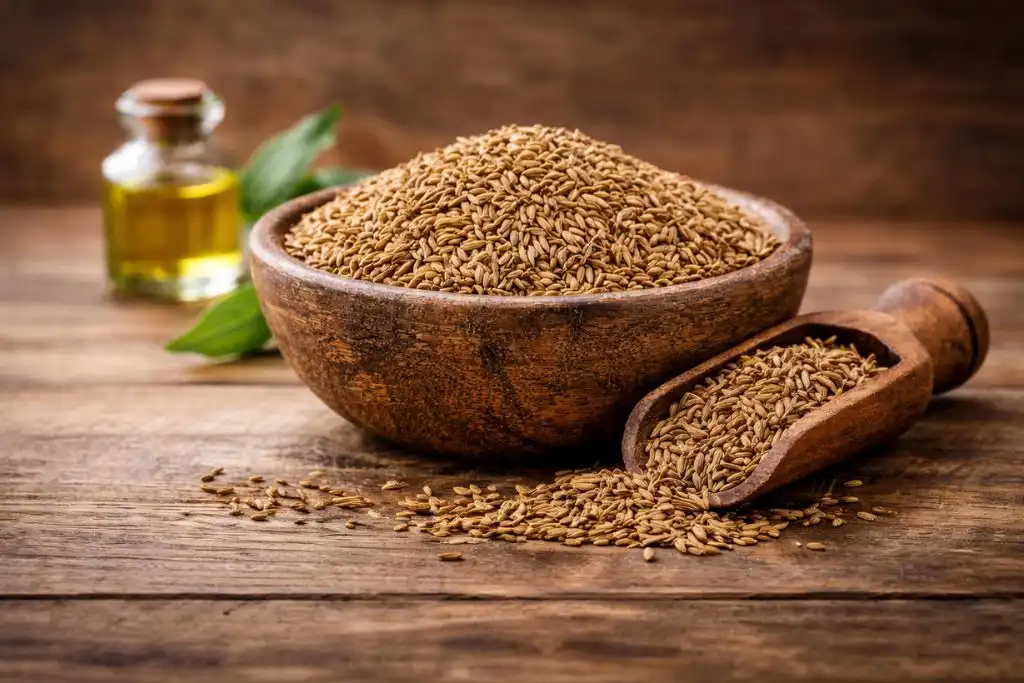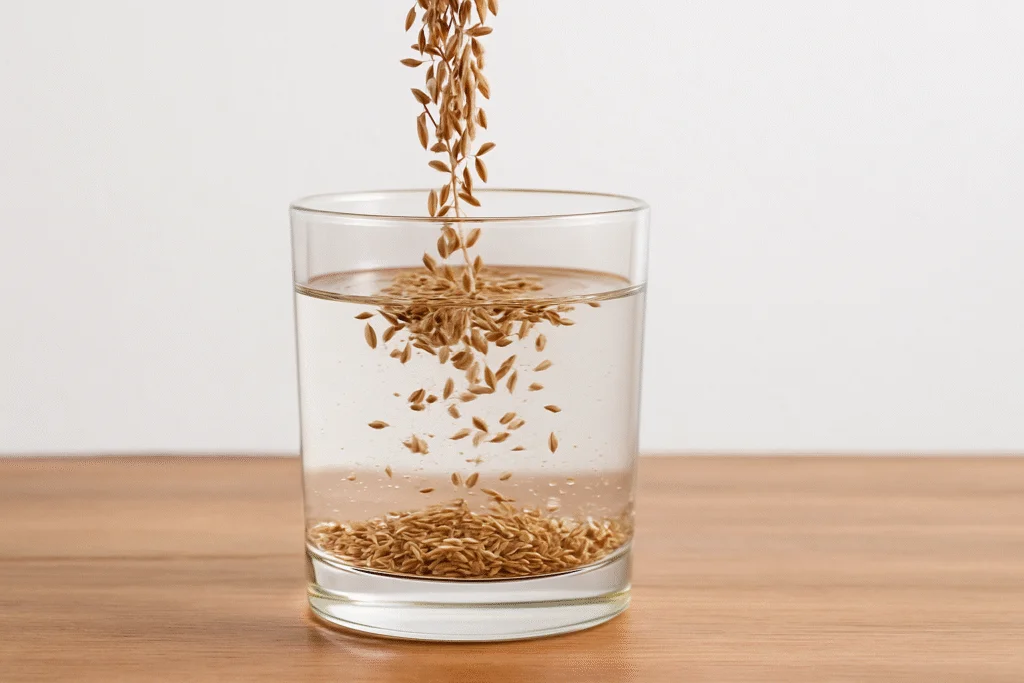

Cumin water — also known as jeera water or zeera water — is a traditional digestive drink made from soaking or boiling whole cumin seeds (Cuminum cyminum) in water. When you drink it matters: timing affects how well the bioactive compounds thymol and cuminaldehyde interact with your digestive system.
📋 Table of Contents
Introduction
Cumin water is one of the most widely consumed traditional health drinks across South Asia, the Middle East, and the Mediterranean. Made from whole cumin seeds (Cuminum cyminum) — known as jeera in Hindi, zeera or safaid zeera in Urdu, jeerakam in Tamil, and jira in Bengali — this simple beverage has been used in Ayurvedic and Unani medicine for centuries to support digestion, ease bloating, and promote overall metabolic comfort.
In recent years, cumin water has gained renewed global attention. A 2025 study published in Bioinformation demonstrated cumin water’s measurable impact on appetite regulation in children with reduced hunger, while earlier clinical research found that regular cumin consumption was linked to meaningful changes in body weight and fat composition over an 8-week period. These findings have prompted many health-conscious individuals to ask not just whether to drink cumin water — but when to drink it.
Timing matters more than most people realise. The same glass of cumin water can have meaningfully different effects on your digestive system depending on whether your stomach is empty, mid-digestion, or winding down for the night. The bioactive compounds in cumin — thymol, cuminaldehyde, and essential oils — interact with digestive enzymes and bile secretion in ways that change based on your digestive state at the time of consumption.
This guide breaks down every timing option — morning, before meals, after meals, and evening — with a side-by-side comparison to help you choose the approach that suits your body and routine best. We also cover preparation methods, daily dosage, additional health benefits, and who should exercise caution.
🌿 Want the Full Picture on Cumin?
This article focuses specifically on timing. For the complete evidence-based overview of cumin’s health benefits, nutritional profile, bioactive compounds, and side effects, visit our main guide: Cumin (Jeera / Zeera): Benefits, Uses, Nutrition & Side Effects →
Why Timing Matters for Cumin Water
Your digestive system is not a constant machine — it cycles through different states of activity throughout the day. In the morning on an empty stomach, gastric acid levels are lower and digestive enzymes are essentially waiting to be activated. After meals, your gut is working at full capacity processing food. Late at night, metabolic rate slows and the body is preparing for rest.
Cumin water contains two primary bioactive compounds that drive its digestive effects: thymol (stimulates bile secretion and digestive enzyme production) and cuminaldehyde (carminative — reduces gas formation). When you introduce these compounds to a digestive system in different states, the results differ. Understanding this helps you pick the timing that aligns with your specific goal — whether that’s general daily wellness, post-meal comfort, or weight management support.
Drinking Cumin Water in the Morning (Empty Stomach)
Drinking warm cumin water first thing in the morning — before breakfast, on an empty stomach — is the most widely practised timing across Ayurvedic tradition and modern wellness communities. It is the default recommendation in most South Asian household routines where jeera water has been used as a daily digestive tonic for generations.
Why This Timing Works
On an empty stomach, there is no food competing for absorption. The digestive tract is essentially at its most receptive state. Thymol and cuminaldehyde from the cumin water are absorbed into the bloodstream and reach digestive organs with minimal interference. Many people report feeling notably lighter, less sluggish, and more alert during the morning hours when they make cumin water a daily ritual at this time.
Morning consumption is also easiest to turn into a consistent habit — the routine anchors naturally to waking up, before the day’s meals and activities introduce variability.
Who This Timing Suits Best
Morning cumin water is ideal for people who want general daily digestive support, those looking to support gradual weight management as part of a balanced diet, and anyone following Ayurvedic morning routines. It is not specifically targeted at any single meal — it supports overall digestive readiness for the day ahead.
Drinking Cumin Water Before Meals
A lesser-known but increasingly discussed option is drinking a small glass of cumin water approximately 15–20 minutes before a main meal. This pre-meal timing is grounded in the idea of preparing the digestive system before food arrives — essentially “priming the pump.”
The Research Behind It
A 2025 study published in Bioinformation specifically investigated cumin water’s effects on appetite regulation and found measurable improvements in hunger levels in participants with reduced appetite. This suggests that a small pre-meal dose of cumin water may help activate the digestive readiness state — signalling to the body that food is coming and initiating enzyme production in advance.
Traditional Unani medicine also supports pre-meal use of digestive tonics (known as mushtahiyaat) to stimulate appetite and gastric secretions before eating, particularly for people with poor digestion or sluggish appetite.
Who This Timing Suits Best
Pre-meal cumin water is most relevant for people who: have a poor or irregular appetite, tend to feel heavy or bloated even after moderate-sized meals, or are looking to promote a light sense of fullness before a large meal to avoid overeating. It is less commonly used as a general daily routine and more as a targeted approach around specific meals.
Drinking Cumin Water After Meals
Drinking cumin water after lunch or dinner — particularly after heavy, oily, or spice-rich foods — is the traditional post-meal practice that remains deeply embedded in South Asian food culture. In many households across India, Pakistan, and Bangladesh, a small glass of jeera water or jeera soda after meals is as routine as the meal itself.
Why Post-Meal Timing Works
When the digestive system is processing a full meal, it benefits from additional support to manage gas, reduce the sensation of heaviness, and ease the transit of food through the gut. Cumin’s carminative properties — primarily from cuminaldehyde — help reduce gas formation in the intestines, which is the main driver of post-meal bloating. Thymol further stimulates bile secretion, helping the body process fats from the meal more efficiently.
Post-meal cumin water also works well because it is consumed alongside active digestion, reducing the risk of it triggering acid discomfort that some people experience when drinking it on a completely empty stomach.
Who This Timing Suits Best
After-meal cumin water is the preferred timing for people who experience consistent post-meal bloating, gas, or heaviness — especially after large or rich meals. It is also a gentler option for individuals with sensitive stomachs or acid reflux who find morning use uncomfortable.
🌿 Curious About Cumin Water’s Full Benefits?
Post-meal comfort is just one of several benefits cumin water offers. For a complete breakdown of how cumin water supports digestion, weight management, blood sugar, and more, read: Cumin Water Benefits for Digestion →
Can You Drink Cumin Water at Night?
Drinking cumin water late at night is generally not recommended as a default practice, particularly for people who experience acid reflux, have digestive sensitivity, or go to bed within an hour of their last meal. When you lie down shortly after consuming any bioactive liquid, the risk of reflux increases and digestion slows significantly.
However, evening use is not off-limits for everyone. If you prefer evening consumption, a small glass of warm cumin water consumed at least 1–2 hours before bedtime is a reasonable approach. Some traditional Ayurvedic practitioners mention that warm cumin water in the early evening may support a gentle calming effect, though this is based more on traditional practice than clinical research.
Morning vs After Meals: Which Is Better?
Both timings have genuine merit — the best choice depends entirely on your personal digestive patterns, lifestyle, and goals. Here is a detailed side-by-side comparison:
| Factor | 🌅 Morning (Empty Stomach) | 🍴 After Meals | 🍽️ Before Meals |
|---|---|---|---|
| Primary Goal | General daily digestive support | Post-meal relief — bloating, gas | Appetite activation, enzyme priming |
| Best For | Daily routine habit | Post-meal heaviness | Poor appetite, large-meal prep |
| Stomach State | Empty — high absorption potential | Full — works alongside digestion | Empty → transitioning to full |
| Acid Sensitivity | May cause mild discomfort | Generally well-tolerated | May trigger reflux in sensitive people |
| Habit Consistency | Easy — fixed morning anchor | Depends on meal timing | Requires meal planning |
| Traditional Use | Ayurvedic morning tonic | South Asian post-meal digestif | Unani pre-meal stimulant |
| Weight Management | Supports metabolism start | Supports fat digestion | May reduce overeating |
How to Prepare Cumin Water
Cumin water can be prepared using two main methods. Both are effective — the method you choose affects the strength and flavour slightly, but both deliver the core bioactive compounds.
⭐ Classic Cumin Water — Two Methods
Method A — Overnight Soak (Cold Preparation)
Best for: Morning use on an empty stomach. Gentler on the stomach, milder flavour.
- 1Take 1 teaspoon of whole cumin seeds (jeera/zeera).
- 2Add the seeds to a glass with 250ml of room-temperature water.
- 3Cover and leave to soak overnight (8 hours minimum).
- 4In the morning, strain out the seeds and drink the water at room temperature or slightly warmed.
Method B — Boiled Preparation (Warm/Hot)
Best for: Post-meal use or when a stronger, more aromatic brew is preferred.
- 1Add 1 teaspoon of whole cumin seeds to 1.5 cups (375ml) of water in a small saucepan.
- 2Bring to a boil over medium heat, then reduce and simmer for 5 minutes.
- 3Remove from heat and allow to cool until comfortably warm (not hot).
- 4Strain out the seeds and drink warm.
Optional additions: A few drops of fresh lemon juice, a small pinch of black rock salt (kala namak), or a teaspoon of honey after cooling. Avoid refined sugar. Do not add milk — this changes the composition significantly.
How Much Cumin Water Per Day?
For most healthy adults, one glass per day is sufficient and well-tolerated. There is no established clinical dosage for cumin water specifically, but most traditional and practitioner-based recommendations align around these parameters:
Additional Health Benefits of Cumin Water
While most people drink cumin water specifically for digestive timing purposes, the bioactive compounds in cumin offer broader benefits that make consistent use worthwhile regardless of timing. The following benefits are based on available research — cumin water is not a treatment for any medical condition.
🔥 Digestive Enzyme Stimulation
Thymol in cumin directly stimulates the pancreas to produce digestive enzymes and the liver to increase bile secretion. Bile is essential for fat breakdown — this is why cumin water is particularly effective after high-fat or heavy meals. Research confirms cumin’s enzyme-stimulating action is one of its most consistent bioactive effects.
💨 Carminative (Anti-Bloating)
Cuminaldehyde and essential oils in cumin have well-documented carminative properties — they inhibit gas formation in the gut by suppressing the bacteria responsible for excessive fermentation. This makes cumin water one of the most effective natural remedies for post-meal bloating and flatulence, particularly after legume-heavy or spice-rich meals.
⚖️ Weight Management Support
A randomised clinical trial found that participants who consumed cumin daily showed measurable reductions in body weight, waist circumference, and fat percentage over 8 weeks compared to a control group. The proposed mechanisms include improved fat metabolism via bile stimulation and a gentle thermogenic effect. Cumin water alone is not a weight-loss solution — it works as a supportive element within a balanced diet.
🩸 Blood Sugar Balance
Cumin has been studied for its potential insulin-sensitising effects. Early research suggests that regular cumin consumption may help reduce fasting blood glucose levels in type 2 diabetics, though larger-scale human trials are still needed. For people managing blood sugar, post-meal cumin water timing may be particularly relevant as it is consumed alongside or after glucose-raising foods.
🛡️ Antioxidant Properties
Cumin seeds contain several polyphenols including apigenin and luteolin that act as antioxidants, helping the body neutralise free radicals associated with oxidative stress. Regular consumption of cumin water contributes to cumulative antioxidant intake alongside a diet rich in fruits and vegetables. The antioxidant content is modest per glass but meaningful when consumed consistently over time.
🦠 Gut Microbiome Support
Emerging research into cumin’s antimicrobial properties suggests that thymol may have a selective inhibitory effect on pathogenic gut bacteria without significantly disrupting beneficial bacterial populations. This mild antimicrobial action — combined with the carminative effect — makes cumin water a traditional first-line home remedy for mild digestive upsets, diarrhoea, and stomach cramps across South Asian and Middle Eastern traditions.
📖 Deep Dive: Full Cumin Benefits Guide
The benefits above cover cumin water specifically. Cumin as a whole spice offers additional benefits for immunity, cholesterol, anaemia, and IBS management. For the complete evidence-based picture, read our main article: Cumin (Jeera / Zeera): Benefits, Uses, Nutrition & Side Effects →
Try Our Free Herb & Tea Benefit Finder
Type any tea from this list — hibiscus, green tea, chamomile, rooibos — to instantly see its full benefits, best time to use, preparation method, and safety notes.
🔍 Open the Herb & Tea Benefit Finder →Who Should Be Careful with Cumin Water?
Cumin water is safe for most healthy adults when consumed in moderate, food-based amounts — one glass per day. However, specific groups should exercise caution or consult a healthcare provider before making it a regular habit:
Cumin stimulates stomach acid and bile production. On an empty stomach, this can aggravate acid reflux symptoms. Try post-meal timing or smaller amounts.
Cumin may slow blood clotting due to its anticoagulant properties. People taking warfarin, aspirin, or other anticoagulants should consult a doctor before regular use.
Small culinary amounts of cumin are generally considered safe in pregnancy. However, concentrated cumin water consumed regularly in large amounts has been traditionally associated with uterine stimulation. Always consult a midwife or doctor.
Cumin may have a mild hypotensive effect. People already on blood-pressure-lowering medications should monitor their response and speak with their doctor about frequency of use.
Cumin’s potential blood-sugar-lowering effect may combine additively with diabetes medications, risking hypoglycaemia. Monitor blood glucose carefully and consult a healthcare provider.
Ironically, while cumin contains iron, the tannins and other compounds in cumin water may slightly inhibit iron absorption from other foods when consumed simultaneously. Separate cumin water from iron-rich meals if you have anaemia.
| Who | Reason for Caution | What to Do |
|---|---|---|
| Acid reflux / GERD | Stimulates stomach acid production | Use post-meal timing; reduce amount |
| Blood thinner users | Anticoagulant properties may increase bleeding risk | Consult doctor before regular use |
| Pregnant women | Large amounts may stimulate uterine contractions | Cooking amounts fine; avoid concentrated doses |
| Hypotension | May lower blood pressure further | Monitor response; seek medical advice |
| Diabetics on medication | Additive blood glucose lowering | Monitor blood glucose carefully |
| Iron deficiency / anaemia | May inhibit iron absorption when consumed together | Separate from iron-rich meals |
Frequently Asked Questions
For weight management specifically, morning on an empty stomach is the most commonly recommended timing. This is when metabolic activity is beginning to ramp up for the day and the bioactive compounds in cumin can be absorbed without competition from food. However, clinical studies on cumin and weight loss used cumin as a supplement rather than water specifically, so no single timing has been proven superior for weight management. Consistency daily is more important than the exact hour.
Warm or room temperature is the most widely recommended option. Very hot water can irritate the stomach lining, particularly on an empty stomach in the morning, and may also degrade some of cumin’s heat-sensitive volatile compounds. Cold water slows digestion rather than supporting it. Lukewarm (around 35–40°C) is the ideal range — comfortable to drink without being cold, and warm enough to feel soothing to the digestive tract.
One glass per day is the standard recommendation and is sufficient for most people. Drinking cumin water twice daily is not harmful for most healthy adults, but it is unnecessary and may cause mild side effects in sensitive individuals — particularly heartburn, acidity, or digestive irritation if consumed excessively on an empty stomach. If you feel one glass is not enough, consult a practitioner before increasing frequency. Consistency with a single daily glass is more important than volume.
Both methods are effective. The overnight soak method produces a milder, gentler brew that is well-suited for morning consumption on an empty stomach — it is less likely to cause acid discomfort and has a subtler flavour. The boiling method extracts more of the essential oils and produces a stronger, more aromatic brew that is better suited to post-meal use where a more active digestive action is desired. Either method delivers the core benefits of cumin water; the difference is mainly in intensity and palatability.
Cumin water before breakfast is a popular practice for those targeting abdominal fat, and there is some research basis for it. A clinical study found that cumin supplementation was associated with reductions in waist circumference over an 8-week period. However, cumin water alone will not reduce belly fat — it works as a supportive element within a calorie-controlled diet and active lifestyle. Pre-breakfast cumin water may help by slightly boosting metabolic activity and improving fat digestion throughout the morning, but it is not a standalone fat-loss solution.
Yes — cumin water is generally considered beneficial for people with IBS (Irritable Bowel Syndrome), particularly those who experience bloating, gas, and irregular bowel movements. Cumin’s carminative properties directly address gas formation in the gut, which is a primary symptom driver in IBS. A study published in the Middle East Journal of Digestive Diseases found that cumin extract improved IBS symptoms in participants over a 4-week period. Post-meal timing is typically better tolerated for IBS sufferers than morning use on a completely empty stomach.
For immediate digestive effects — such as reduction of post-meal bloating or gas — cumin water can produce noticeable relief within 30–60 minutes of consumption. For cumulative benefits such as improved digestion, weight management support, or blood sugar balance, consistent daily use over 3–4 weeks is typically needed before meaningful changes are felt. Results vary significantly between individuals based on diet, lifestyle, and personal digestive sensitivity.
Yes — they are exactly the same drink, just referred to by different names. “Jeera” is the Hindi word for cumin, “zeera” is the Urdu equivalent, and “cumin” is the English name for the same spice (Cuminum cyminum). Jeera water (jal jeera or jeera pani) in South Asian households is identical to what English-speaking health guides refer to as cumin water. The seeds, preparation method, and health properties are identical regardless of the name used.
Cumin water is a popular drink during Ramadan, traditionally consumed at sehri (pre-dawn meal) and iftar (breaking fast). At sehri, a glass of cumin water before the fast begins may help support digestion and reduce mid-day discomfort. At iftar, having cumin water after breaking the fast with dates can help ease the digestive transition back to eating after a long fast. Warm cumin water at iftar is particularly common in South Asian Muslim households as a gentle post-fast digestive tonic.
The terms are often used interchangeably. The main practical difference is preparation intensity: cumin water (especially soaked overnight) is a lighter infusion, while “cumin seed tea” typically refers to the boiled preparation where seeds are simmered for several minutes, producing a stronger, more concentrated brew with a more pronounced flavour. Both deliver similar bioactive compounds — the boiled version simply has a higher concentration of essential oils per cup. Neither contains caffeine, making both caffeine-free alternatives for those reducing coffee or tea intake.
References & Further Reading
- Effect of Cumin Water on Hunger Levels in School-Aged Children — Bioinformation (2025)
- 9 Powerful Health Benefits of Cumin — Healthline
- Cumin for Weight Loss: How It Works — Healthline (Updated 2026)
- Cumin: Health Benefits, Nutrients, and More — WebMD
- Cumin: 6 Health Benefits — Medical News Today
- Cumin Potential Health Benefits — McCormick Science Institute (2021)