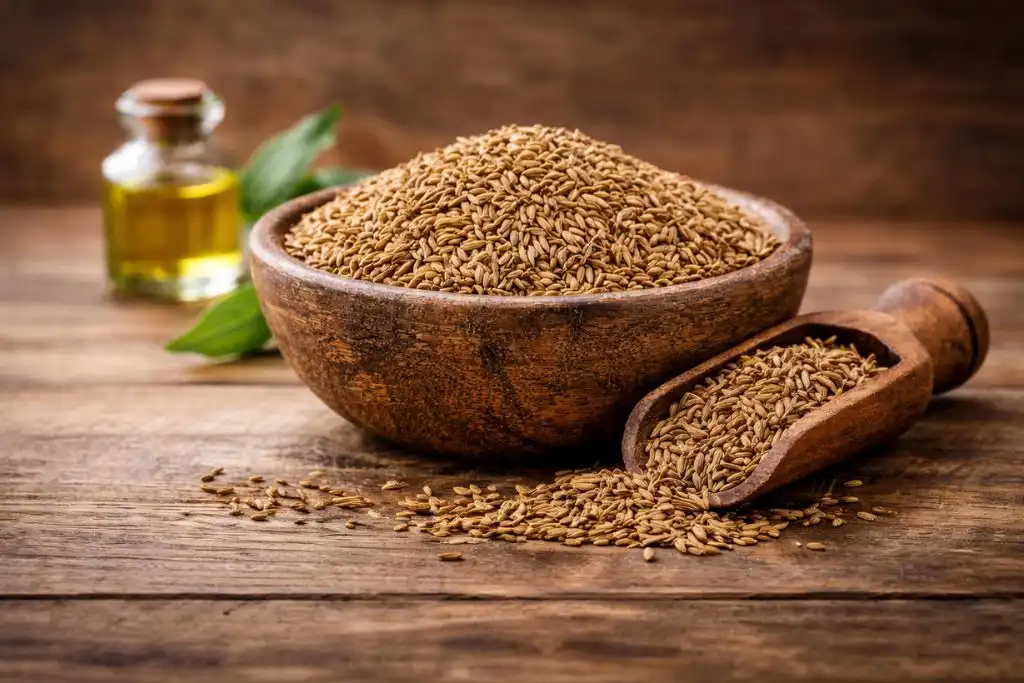
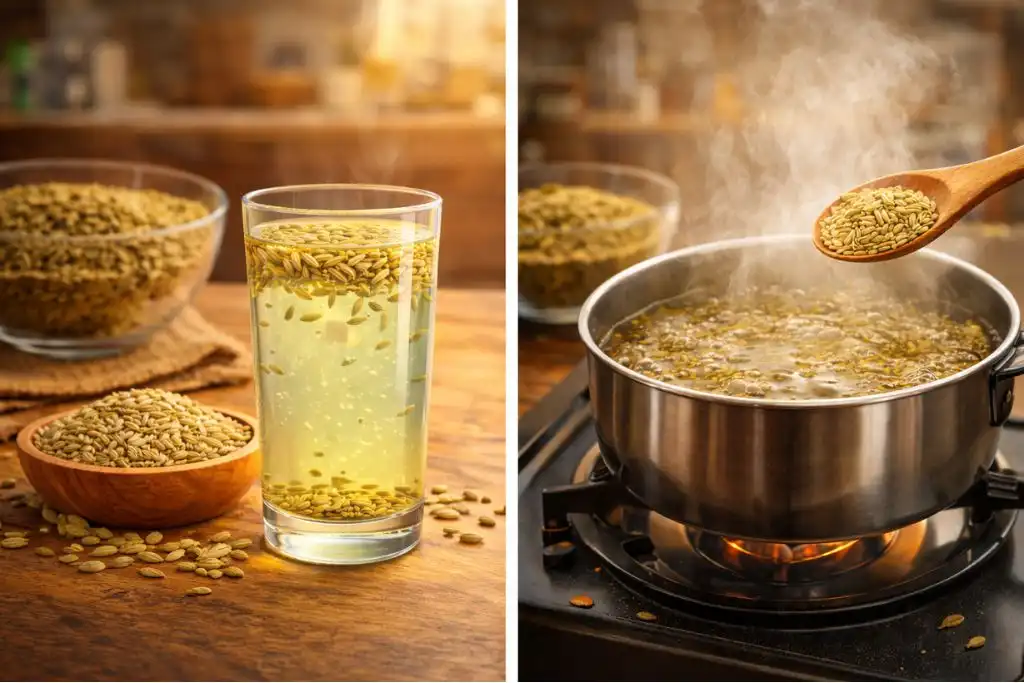
Fennel water (saunf ka paani) is one of the simplest herbal drinks you can make at home. Just two ingredients — fennel seeds and water — and almost no effort. There are two methods: overnight soaking (mild, best for daily use) and boiling (stronger, faster).
📋 Table of Contents
Introduction
Fennel water is one of the easiest herbal drinks you can make at home. Two ingredients, no special equipment, and under five minutes of active prep. Yet this simple drink has been consumed after meals across India, Pakistan, the Middle East, and the Mediterranean for thousands of years.
Known as saunf ka paani, it is a staple in Ayurvedic and Unani wellness traditions. The active compound anethole — responsible for fennel’s sweet, anise-like aroma — is what drives most of the digestive benefits.
🛠️ Free Health Tools — Water Intake Calculator, BMI Calculator, Intermittent Fasting Calculator & more
🔍 Browse All Free Health Tools →This guide covers both preparation methods step by step, a full comparison, optional add-ins, best timing, dosage, and storage tips. To understand the full health benefits of fennel seeds, see our complete guide on fennel seeds (saunf) benefits, nutrition, and uses.
What Is Fennel Water?
Fennel water is made by letting dried fennel seeds soak or simmer in plain water. The helpful plant compounds in the seeds slowly transfer into the liquid. The result is a light, mildly sweet, and aromatic drink with almost no calories (3–5 kcal per glass).
It is different from concentrated fennel tea, fennel essential oil, or supplement extracts — all of which are far stronger. This guide focuses on home-prepared fennel water using whole dried seeds.
| Language / Region | Seeds Name | Fennel Water Name |
|---|---|---|
| Hindi / Urdu | Saunf (سونف) | Saunf ka Paani |
| English | Fennel Seeds | Fennel Water / Fennel Seed Water |
| Sanskrit / Ayurvedic | Shatapushpa | Shatapushpa Jala |
| Arabic | Shamar (شمار) | Maa’ al-Shamar |
| Bengali | Mauri / Mouri | Mauri Jol |
| Tamil | Sombu | Sombu Thanneer |
| Punjabi | Sounf | Sounf da Paani |
🌱 Why Does Fennel Water Work?
Anethole — the main active compound in fennel seeds — is responsible for the sweet, anise-like aroma and most of the digestive benefits. It relaxes gut muscles, reduces gas and bloating, and helps your body produce more digestive enzymes. When you soak or boil the seeds, anethole and other plant compounds dissolve into the water.
Ingredients & Equipment
One of the best things about fennel water is how little you need.
| Item | Amount | Notes |
|---|---|---|
| Fennel seeds (whole, dried) | 1–2 tsp per glass | Use whole seeds — not powder. Fresh-smelling seeds are best. |
| Clean drinking water | 250ml (1 glass) per serving | Filtered or clean tap water |
| Glass or jar (for soaking) | 1 standard glass | Cover overnight to keep clean |
| Small saucepan (for boiling) | — | Only needed for boiling method |
| Fine mesh strainer | — | Essential for both methods |
Method 1 — Overnight Soaking (Best for Daily Use)
This is the most traditional method and the gentlest option. No heat required — perfect for sensitive stomachs and daily use.
⭐ Saunf Water — Overnight Soak
Makes: 1 glass (250ml) · Prep time: 2 min active + 8–10 hrs soaking · Calories: ~3–5 kcal
Ingredients: 1–2 tsp whole fennel seeds · 250ml room-temperature water
- 1
Measure 1–2 tsp of whole fennel seeds. Lightly bruise with the back of a spoon to release more aroma (optional but helpful).
- 2
Add the seeds to a clean glass or small jar.
- 3
Pour 250ml of room-temperature water over the seeds. Do not use hot water — this method relies on slow, cold soaking.
- 4
Cover the glass with a small plate or lid to keep it clean overnight.
- 5
Leave to soak for 8–10 hours (overnight is ideal). The water will turn a pale yellow-green color.
- 6
Strain through a fine mesh strainer into a clean glass. Discard the seeds.
- 7
Drink at room temperature or warm slightly. Consume within 1–2 hours of straining.
💡 Tip: Prepare the glass before bed — it takes under 2 minutes. Your morning fennel water will be ready when you wake up.
| Feature | Details |
|---|---|
| Flavor | Mild, subtly sweet, lightly aromatic |
| Nutrient preservation | Best — heat-sensitive antioxidants fully preserved |
| Digestive gentleness | Gentlest option — ideal for sensitive stomachs |
| Convenience | Zero active cooking — set and forget overnight |
| Best for | Daily use, morning routine, weight management |
Method 2 — Boiling (Stronger & Faster)
The boiling method makes a more concentrated, stronger-flavored drink. It is faster and better when you want a warm drink or a stronger digestive effect.
🌿 Which herbs help most after meals? Type fennel or any herb in our free Herb & Tea Benefit Finder — get timing, dosage, and preparation tips instantly.
🔍 Try the Herb & Tea Benefit Finder →⭐ Boiled Fennel Water — Stovetop Method
Makes: 1–2 glasses · Prep time: 10–12 minutes total · Calories: ~5–8 kcal
Ingredients: 1 tsp whole fennel seeds · 375–500ml water
- 1
Lightly crush the fennel seeds using a mortar and pestle or the back of a spoon. This opens the seeds and improves flavor.
- 2
Add the crushed seeds and water to a small pot.
- 3
Bring to a gentle boil over medium heat. Do not use a hard rolling boil.
- 4
Reduce heat. Simmer for 5–7 minutes. The water will turn golden-yellow and develop a stronger aroma.
- 5
Turn off the heat. Let cool for 3–5 minutes until comfortably warm.
- 6
Strain into a mug. Press the seeds lightly against the strainer to get the last bit of liquid.
- 7
Drink warm. Add lemon or honey after straining if desired.
💡 Tip: Don’t simmer for more than 7–8 minutes — extended boiling makes the flavor bitter.
When to Use the Boiling Method
| Situation | Why Boiling Works Better |
|---|---|
| Chest congestion or cough | Warm liquid + stronger anethole helps loosen mucus |
| Menstrual discomfort | Warmth + relaxing compounds work best together |
| Cold or flu season | Warmth + germ-fighting properties of anethole |
| Stronger digestive relief needed | More active compounds for more pronounced effect |
| No time to soak overnight | Ready in under 15 minutes |
Soaking vs Boiling — Which Is Better?
Both methods work. The right choice depends on your purpose, taste preference, and daily routine.
| Feature | 💧 Soaking | 🔥 Boiling |
|---|---|---|
| Prep time | 2 min + 8–10 hrs soaking | 10–12 minutes total |
| Flavor | Mild, subtle, lightly sweet | Strong, aromatic, more concentrated |
| Color | Pale yellow-green | Golden yellow |
| Temperature | Room temp or lightly warmed | Served warm |
| Nutrient preservation | Better — heat-sensitive compounds preserved | Some antioxidants may be reduced by heat |
| Digestive gentleness | Gentler — better for sensitive stomachs | Stronger — may be intense for very sensitive guts |
| Recommended frequency | Daily ✅ | 2–3 times per week ⚠️ |
| Equipment needed | Glass + strainer | Saucepan + strainer |
Optional Add-Ins & Variations
Plain fennel water works on its own. But these traditional add-ins can improve both flavor and benefit. All are optional.
| Add-In | Amount | Benefit | Best With |
|---|---|---|---|
| 🍋 Lemon juice | ½ tsp | Vitamin C boost, improves taste, supports digestion | Both methods |
| 🍯 Raw honey | 1 tsp | Natural sweetener, germ-fighting properties, soothes throat | Boiling method (add after cooling) |
| 🫚 Fresh ginger slice | 1–2 thin slices | Anti-nausea, warming effect | Boiling method |
| 🪨 Misri (rock sugar) | Small piece | Traditional Ayurvedic cooling agent, mild sweetener | Both methods |
| 🌿 Fresh mint leaves | 2–3 leaves | Cooling, refreshing summer variation | Soaking method |
| 🫙 Cardamom (elaichi) | 1 pod, crushed | Extra digestive support, aromatic | Boiling method |
Best Time to Drink Fennel Water
When you drink fennel water affects which benefits you get most. Here is the best timing for each goal.
| Time | Method | Purpose | Notes |
|---|---|---|---|
| 🌅 Morning, empty stomach | Soaking | Digestive reset, metabolism, weight management | Most popular timing — drink before breakfast |
| 🍽️ After main meals | Either | Gas relief, bloating, digestion support | Traditional South Asian post-meal habit |
| ☀️ Mid-morning / afternoon | Soaking | Hydration, appetite, refreshment | Great substitute for sugary drinks |
| 🌙 Before bed (warm) | Boiling | Relaxation, IBS comfort, mild sleep support | Warm version is more calming |
| 🩸 During menstruation | Boiling (warm) | Menstrual cramp relief | Warm fennel water works best here |
How Much Per Day?
One glass per day is enough for most people. Start with less to see how your body responds.
How Much Water Should You Drink Per Day?
Fennel water adds to your daily fluids but should not replace plain water. Use our free calculator to find your personal hydration target.
💧 Try the Free Water Intake Calculator →Storage Tips
Fresh is always best — but here is how to store fennel water when needed.
| Method | Storage Time | How to Store | Notes |
|---|---|---|---|
| Soaked fennel water | Up to 24 hours | Strain immediately. Store in a sealed glass bottle in the fridge. | Flavor gets a bit stronger — still good to drink cold or warmed |
| Boiled fennel water | Same day only | Strain and store in a covered container at room temperature. | Drink within 6–8 hours — boiled water degrades faster |
| Seeds left in water | Do not store | Always strain before storing — never leave seeds in. | Seeds left in water beyond 12 hours turn bitter |
Who Should Be Careful?
Fennel water is safe for most healthy adults in the amounts described above. But some groups should be careful.
🤰 Pregnant women
Large daily amounts may stimulate uterine activity. Small cooking amounts in food are generally fine.
🍼 Breastfeeding mothers
Small amounts are traditionally used. Avoid large daily quantities.
🤧 Apiaceae allergy
Fennel is related to carrot, celery, and coriander. Cross-reactions are possible if you are allergic to these.
🌸 Hormone-sensitive conditions
Fennel contains plant estrogens. If you have a hormone-sensitive condition, ask your doctor before regular use.
💊 Blood thinner users
Fennel flavonoids have mild blood-thinning properties. Check with your doctor about daily use.
👶 Infants under 6 months
Do not give fennel water to young infants without pediatric guidance.
📖 Full Side Effects & Safety Guide
For a complete guide to all known side effects of fennel water, drug interactions, and who should avoid it entirely, see: Fennel Water Side Effects and Who Should Avoid It →
Conclusion
Fennel water is one of the simplest herbal drinks you can make. Two ingredients, almost no active prep time, and a drink that has been trusted for thousands of years.
Use the overnight soaking method for daily use — it is gentle, easy, and ready when you wake up. Use the boiling method when you want a warm, stronger drink or need it quickly. Either way, one glass per day is all you need.
For everything fennel does for your health beyond this recipe, see our full fennel seeds benefits guide. To compare fennel water with cumin water, see cumin water vs fennel water. For the best time to drink it after meals, see fennel water after meals.
Try Our Free Herb & Tea Benefit Finder
Type fennel, cumin, ginger, or any herb to instantly see its benefits, best time to use, preparation method, and who should be careful.
🔍 Open the Herb & Tea Benefit Finder →Frequently Asked Questions
For daily use, the overnight soaking method is better — it is milder, preserves more antioxidants, requires no cooking, and is gentler on sensitive stomachs. The boiling method is better when you want a warm, stronger drink for things like respiratory comfort, menstrual cramps, or faster preparation. Both work well — the choice depends on your goal and preference.
Lightly crushing or bruising the seeds before preparation is optional but helpful. It breaks the outer coat and lets more aroma and active compounds dissolve into the water. A gentle press with the back of a spoon is enough for soaking. For boiling, a light crush in a mortar and pestle noticeably improves flavor. Don’t grind to powder — you still need to strain them out.
A minimum of 8 hours is recommended. Overnight (8–10 hours) is the standard. You can soak up to 12 hours, but beyond that at room temperature the water may turn slightly bitter and bacteria can grow in warm climates. Always strain before consuming or refrigerating.
Yes — fennel water can be drunk at room temperature, gently warmed, or chilled. The soaking method is usually drunk at room temperature or slightly warmed. The boiling method makes a warm drink that can also cool down. Warm fennel water is best for digestion and respiratory benefits. Avoid ice-cold fennel water on an empty stomach if you have a sensitive gut.
For most healthy adults, 1 glass (250ml) per day is enough. A maximum of 2 glasses daily is generally safe. Drinking more than 2–3 glasses every day is not needed and may cause mild stomach irritation. If new to fennel water, start with half a glass and increase gradually.
It is not recommended. Most of the active compounds are extracted during the first soak or boil. A second batch from the same seeds would be much weaker and may taste bitter. Always use fresh seeds — 1–2 teaspoons per glass is a very small amount.
Fennel water has a mild, slightly sweet, aromatic flavor with a faint anise or liquorice quality. The soaking method gives a very subtle, delicate taste most people find easy to drink. The boiling method gives a stronger, more pronounced fennel flavor. Neither should taste bitter if prepared correctly — bitterness usually means over-soaking or over-boiling.
These terms are often used interchangeably. Technically, fennel water (saunf ka paani) usually means the cold-soaked version — mild and drunk at room temperature. Fennel tea usually means a hot boiled preparation, similar to other herbal teas. Both use the same seeds and give similar benefits, but fennel tea is stronger and warmer. Neither should be confused with concentrated fennel extracts or supplements.
Yes — strain the seeds out first, then store in a sealed glass bottle in the fridge for up to 24 hours. Many people do this so their morning fennel water is ready immediately. Always strain before refrigerating — seeds left in the liquid will make the flavor too strong or bitter. Boiled fennel water is best drunk the same day.