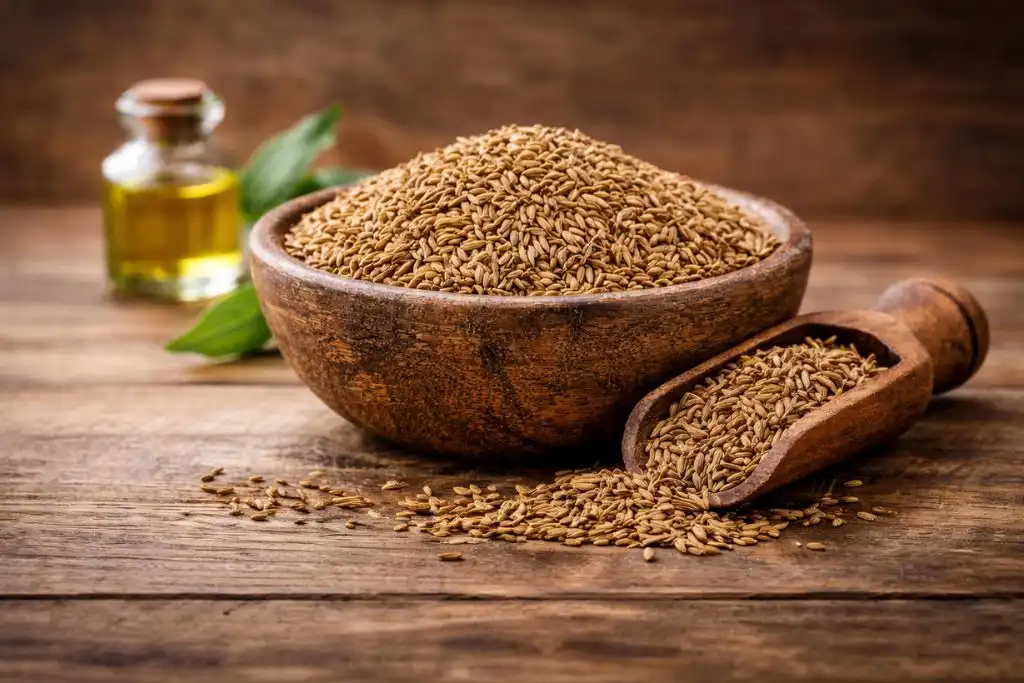
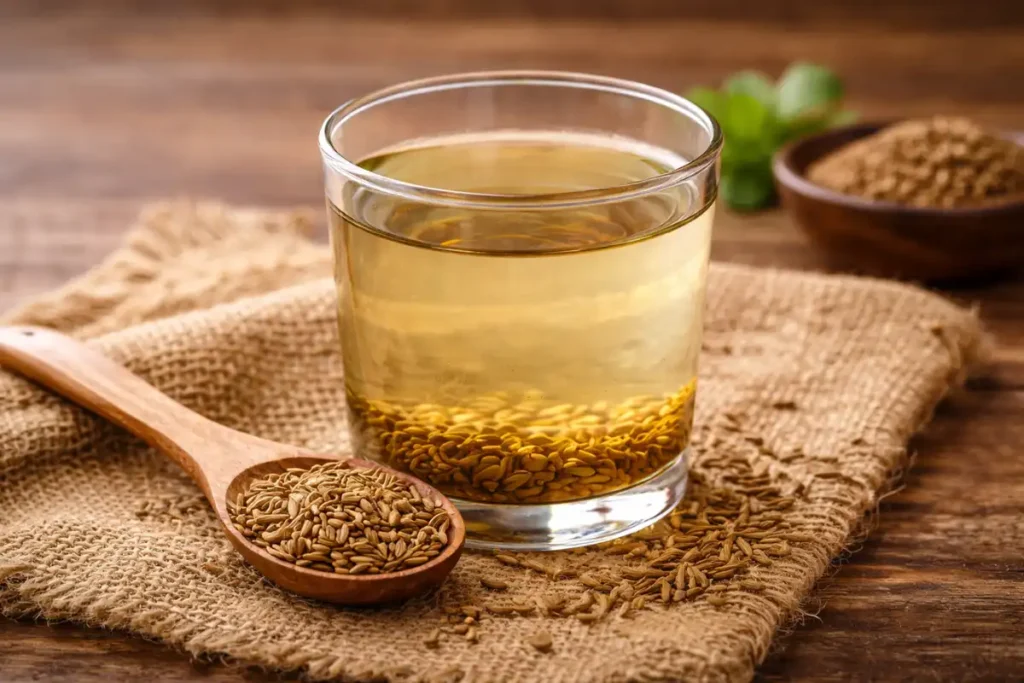
Cumin water (jeera water) is a simple, caffeine-free drink made by soaking or boiling cumin seeds in water. It takes less than 2 minutes to prepare and has been used as a daily digestive drink for centuries.
📋 Table of Contents
Introduction
Cumin water is one of the simplest herbal drinks you can make at home. All you need is a teaspoon of seeds and a glass of water. Yet this humble drink has been used across South Asia, the Middle East, and North Africa for centuries as a daily wellness ritual.
Known as jeera pani or zeera ka paani in South Asia, this drink is usually consumed first thing in the morning or after meals as a gentle digestive aid. It has become popular worldwide as people look for natural, low-calorie alternatives to support their health.
🛠️ Free Health Tools — Water Intake Calculator, BMI Calculator, Intermittent Fasting Calculator & more
🔍 Browse All Free Health Tools →This guide covers everything you need to prepare cumin water correctly — the two best methods, a popular lemon variation, the best time to drink it, dosage, practical tips, and important safety information. For the full digestive benefits of cumin water, see our guide on cumin water benefits for digestion. For all cumin health benefits, see our pillar guide on cumin (jeera/zeera) benefits.
What Is Cumin Water?
Cumin water is made by letting cumin seeds sit in water — either by soaking overnight or by boiling briefly. The helpful plant compounds in the seeds slowly transfer into the water. The result is a lightly flavored, earthy drink.
It contains no caffeine and almost no calories. In Ayurveda, cumin is classified as a digestive stimulant — used specifically to improve food breakdown and ease gut discomfort.
🌱 Quick Plant Facts
Botanical name: Cuminum cyminum · Family: Apiaceae (same as fennel, coriander, dill) · Part used: Dried seed · Key compounds: Cuminaldehyde, Thymol, Flavonoids, Terpenes
Ingredients
One of the best things about cumin water is how simple it is. You don’t need any special equipment.
📋 What You Need (All Methods)
Essential: 1 teaspoon cumin seeds (plain, unroasted — about 2.5g) · 250ml clean drinking water
Optional add-ins: ½ lemon (juice only) · 1 tsp raw honey (add after cooling) · Small pinch of black pepper · ¼ tsp dried ginger powder
Method 1: Overnight Soaking (Most Traditional)
This is the most widely used method and the gentlest option. It is ideal for people with sensitive stomachs or anyone new to cumin water. The long soak allows a full extraction without heat.
🥛 Overnight Soaking Method
Prep time: 2 minutes active + 8–10 hours soaking · Makes: 1 glass (250ml)
- 1
Put 1 teaspoon of plain cumin seeds into a clean glass.
- 2
Pour 250ml of room-temperature water over the seeds.
- 3
Optional: lightly crush the seeds first with the back of a spoon to release more compounds.
- 4
Cover the glass with a small plate or lid.
- 5
Leave to soak overnight (8–10 hours). Prepare before bed — ready in the morning.
- 6
In the morning, strain through a fine strainer into a clean glass.
- 7
Drink at room temperature or warm gently. Add lemon juice if desired. Drink 20–30 minutes before breakfast.
The water will have a pale golden color with a mild, earthy cumin aroma. This is normal.
Method 2: Boiling Method (Quick Preparation)
The boiling method is faster and makes a stronger drink. Heat pulls the active compounds out of the seeds more quickly. The result is a deeper color and more pronounced taste.
🌿 How should you use cumin? Type it in our free Herb & Tea Benefit Finder — get preparation method, timing, dosage, and safety notes instantly.
🔍 Try the Herb & Tea Benefit Finder →⚡ Boiling Method
Prep time: 2 minutes · Cook time: 5–7 minutes · Makes: 1 glass (~220ml after evaporation)
- 1
Add 1 teaspoon of plain cumin seeds to a small pot.
- 2
Pour 300ml of water into the pot (use extra — some will evaporate).
- 3
Bring to a gentle boil over medium heat.
- 4
Reduce heat to low. Simmer 5–7 minutes. The water will turn golden-amber.
- 5
Turn off heat. Let cool for 5–8 minutes until comfortably warm.
- 6
Strain into your cup. Drink warm. Add lemon or honey once cooled if desired.
If the taste is too strong, use ½ teaspoon of seeds or simmer for only 3–4 minutes.
Method 3: Lemon Cumin Water (Popular Variation)
Adding fresh lemon juice is one of the most popular ways to upgrade cumin water. The vitamin C and fresh taste balance out cumin’s earthy, slightly bitter flavor. This version is especially popular as a morning drink.
🍋 Lemon Cumin Water
Prep time: 2 minutes + soak/cook time from Method 1 or 2 · Makes: 1 glass
- 1
Prepare cumin water using either Method 1 (soaking) or Method 2 (boiling).
- 2
Strain into your glass. Let cool slightly if boiled — warm, not hot.
- 3
Squeeze the juice of half a fresh lemon into the cumin water. Stir.
- 4
If using honey, add 1 teaspoon of raw honey now. Stir until dissolved. Never add honey to boiling water.
- 5
Drink warm or at room temperature. Best before breakfast.
Which Method Is Better?
Both methods work well. The right choice depends on your schedule, taste preference, and stomach sensitivity.
| Feature | Soaking Method | Boiling Method |
|---|---|---|
| Prep time | 2 min active + 8–10 hrs soaking | 10–12 minutes total |
| Flavor | Mild, subtle, earthy | Stronger, more pronounced |
| Color | Pale golden | Warm amber / golden-brown |
| Best for | Sensitive stomachs, beginners, morning use | Quick prep, stronger taste, post-meal use |
| Compound strength | Gentler extraction | Stronger extraction |
Best Time to Drink Cumin Water
| Time | Use | Notes |
|---|---|---|
| 🌅 Morning — empty stomach | Most traditional and recommended time | Wait 20–30 minutes before eating breakfast |
| 🍽️ After meals | Reduces post-meal heaviness and bloating | Wait 15–20 minutes after finishing eating |
| ☀️ Mid-morning | Caffeine-free alternative between meals | Good for hydration |
| 🌙 Evening | Sometimes used after dinner | Avoid late at night if prone to acidity or reflux |
For a full breakdown of each timing window, see our guide on the best time to drink cumin water.
How Much Per Day?
One glass per day is enough for most people. Start small and see how your body responds.
Tips for Best Results
Small details make a real difference to taste and effectiveness.
| Do | Why It Matters |
|---|---|
| ✅ Use plain, unroasted whole seeds | Roasting changes the oils; whole seeds give the best result |
| ✅ Prepare fresh each day | Fresh water tastes better and avoids bacteria from sitting too long |
| ✅ Always strain before drinking | Straining gives a cleaner, more comfortable drink |
| ✅ Lightly crush seeds before soaking (optional) | Breaks the seed coat — lets more compounds dissolve |
| ✅ Add lemon and honey after cooling | Heat destroys vitamin C and honey’s helpful compounds |
| ❌ Don’t add sugar | Unnecessary calories with no benefit |
| ❌ Don’t use cumin powder | Makes the drink gritty and hard to strain |
| ❌ Don’t store soaked water more than 12 hours at room temp | Bacteria can grow — refrigerate if needed |
Who Should Be Careful?
Cumin water is safe for most healthy adults in the amounts described above. But some groups should be careful.
🤰 Pregnant women
Small cooking amounts are fine. But concentrated daily cumin water is not well-studied in pregnancy. Ask your doctor.
🍼 Breastfeeding women
Cumin has traditionally been used to support milk production. But concentrated intake should be checked with a healthcare provider.
🩸 Very low blood pressure
Cumin may lower blood pressure mildly. Watch carefully if yours is already low.
💊 Blood-thinning medication
Cumin may have mild blood-thinning effects at high doses. Talk to your doctor if you take warfarin or similar drugs.
💉 Diabetes medication
Cumin may lower blood sugar. Those on diabetes drugs should monitor levels and tell their doctor.
🔥 Sensitive digestion / IBS
Some people with very sensitive guts may find cumin water mildly irritating. Start with very small amounts.
For a complete breakdown of all side effects and who should avoid cumin water, see cumin water side effects and who should avoid it →
Conclusion
Cumin water is one of the simplest wellness drinks you can make at home. One teaspoon of seeds, one glass of water, and a few hours of patience — that’s all it takes.
The overnight soaking method is best for beginners and sensitive stomachs. The boiling method is faster and stronger. Both work. The key is consistency — one glass per day, freshly prepared, using plain unroasted seeds.
Skip the sugar. A squeeze of lemon and a touch of honey (added after cooling) are the best additions. For the full digestive benefits, see our guide on cumin water benefits for digestion. To compare cumin water with fennel water, see cumin water vs fennel water.
Try Our Free Herb & Tea Benefit Finder
Type cumin, fennel, ginger, or any herb to instantly see its key benefits, best time to use, preparation method, and who should be careful.
🔍 Open the Herb & Tea Benefit Finder →Frequently Asked Questions
Yes — 1 glass per day is safe for most healthy adults. It is caffeine-free and well-tolerated when made with 1 teaspoon of seeds per glass. If you have health conditions or take medication, check with your doctor first.
It is better to use fresh seeds each time. After soaking or boiling, the seeds have already released most of their helpful compounds. A second batch from the same seeds will be much weaker.
No — they are made from different plants with different flavors and compounds. Cumin water is warm and earthy; fennel water has a mild liquorice sweetness. Both help digestion but in slightly different ways. See our comparison: cumin water vs fennel water.
Warm or room temperature is most common and traditionally preferred. In Ayurveda, warm water is considered easier on digestion. Very cold or iced cumin water is not recommended, especially for sensitive stomachs.
Yes — lightly crushing seeds before soaking breaks the outer coat and lets more compounds dissolve into the water. The drink will have a slightly stronger flavor and color. This step is optional but worth trying.
Fresh is always best. If you need to store it, strain out the seeds first, put it in a sealed container, and refrigerate. It keeps in the fridge for up to 24 hours. Don’t leave soaked water at room temperature for more than a few hours.
Yes — both are popular additions. Add a small slice of fresh ginger or a piece of cinnamon stick during boiling. Both add warmth and complementary benefits. Introduce one at a time to see how your body responds.
It has a mild, warm, earthy flavor — like a very dilute version of the cumin spice. The soaked version is more subtle; the boiled version is stronger. Adding lemon brightens the taste. A little honey balances any bitterness. Most people get used to it quickly.